Personalized Medical Care & Dedicated International Patient Concierge

Medical Guide
Arthroscopy vs Open Surgery: Recovery Guide | Dr. Pyo Nasil
Comparing arthroscopy vs open surgery? Discover recovery times, mobility benefits, and expert insights from Seoul’s Dr. Pyo Nasil for NYC and LA patients.
Schedule a ConsultationArthroscopy vs Open Surgery: Which Is Better for Recovery?
When facing joint pain, the choice between arthroscopy vs open surgery is a pivotal decision for your recovery journey. For active residents in New York City and Los Angeles, a joint injury is not just a medical issue. It is a major disruption to a fast paced life. Whether you are navigating the steep stairs of a subway station in Manhattan or training for a marathon along the Pacific Coast Highway, the prospect of surgery brings up one major question. How soon can I get back to my life? The uncertainty often causes anxiety. You might wonder if a smaller incision means a less effective repair or if a larger one guarantees a more permanent fix.
The confusion between choosing arthroscopy vs open surgery often leads to what many experts call analysis paralysis. Patients fear long periods of downtime. They worry about visible scarring that might affect their confidence. Most of all, they fear a slow and painful recovery that keeps them sidelined for months on end. These concerns are valid and deserve thorough answers. This article serves as a comprehensive guide to help you navigate these complex surgical choices with confidence.
By the end of this guide, you will understand the fundamental differences between minimally invasive and standard surgical approaches. You will gain a realistic week by week recovery timeline for both methods. We will explore why the rapid rehabilitation protocol used by experts like Dr. Pyo Nasil is a game changer for mobility. Finally, you will learn how to determine which procedure fits your specific diagnosis and lifestyle goals.
As a board certified specialist at Pyo Nasil Orthopaedic Surgery Clinic who has performed over two hundred orthopedic surgeries annually for more than twenty years, Dr. Pyo Nasil provides the expert perspective needed to navigate these choices. Dr. Pyo understands the high expectations of patients coming from major metropolitan areas. This expertise ensures that your surgical path is not just about fixing a joint but about restoring your entire lifestyle.
The Core Differences: Arthroscopy vs Open Surgery Explained
Understanding the biological and technical differences between arthroscopy vs open surgery is the first step toward a successful recovery. In the world of orthopedics, the method used to access a joint significantly impacts how the body heals. Traditional surgery often relies on direct access, while modern techniques utilize advanced technology to minimize trauma.
| Feature | Arthroscopy | Open Surgery |
| Incision Size | Tiny keyhole cuts (0.5cm to 1cm) | Large incisions (5cm to 15cm+) |
| Tissue Impact | Minimal trauma to muscles and tendons | Muscle retraction or detachment often required |
| Hospital Stay | Typically same day outpatient | Usually 2 to 5 days inpatient |
| Risk of Infection | Significantly lower due to small wounds | Standard surgical risk profile |
| Visual Field | Magnified digital view via camera | Direct and natural eyesight view |
| Blood Loss | Minimal | Potentially moderate |
| Anesthesia Type | Regional or general | Almost exclusively general anesthesia |
Understanding Minimally Invasive vs Standard Surgery
Standard surgery, often referred to as open surgery, involves creating a larger incision to allow the surgeon to see the joint directly. This method has been the gold standard for decades. During open surgery, the surgeon might need to retract muscles or move tendons to get a clear view of the damaged area. While this provides excellent visibility, it also means more surrounding tissue is disturbed. This disturbance is what typically leads to more significant post operative pain and longer healing times.
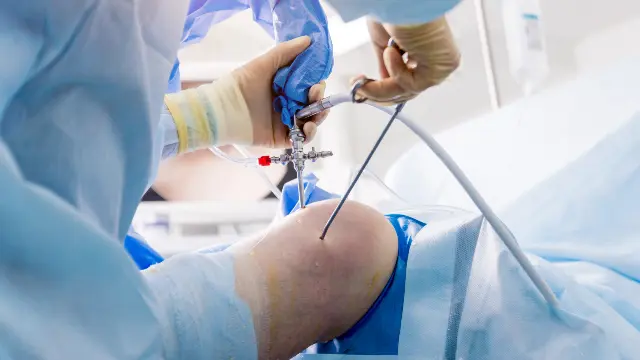
Arthroscopy represents a major shift toward tissue preservation. It is a minimally invasive technique where the surgeon makes several small incisions, often called keyhole incisions. Instead of looking at the joint with the naked eye, the surgeon uses a fiber optic camera known as an arthroscope. This camera transmits high definition images to a monitor in the operating room. Because the incisions are small, usually less than half an inch, the impact on muscles and skin is drastically reduced. This is why many patients in New York City and Los Angeles prefer this method when it is an option.
The shift in modern orthopedics toward tissue preservation is driven by the desire to reduce the inflammatory response of the body. When less tissue is cut, the body sends fewer inflammatory markers to the site. This results in less swelling and a faster transition to the rehabilitation phase. However, it is important to remember that both methods are effective tools in the hands of a skilled specialist.
The Technology Behind The Arthroscope
The arthroscope is a marvel of modern medical engineering. It is essentially a thin tube equipped with a lens and a lighting system. When inserted into a joint, it provides a magnified view that is often superior to what a surgeon can see in an open procedure. The high definition imaging allows for a three hundred and sixty degree inspection of the joint space. Surgeons can identify minute tears in cartilage or tiny bone spurs that might be missed otherwise.
Alongside the camera, surgeons use specialized micro instruments. These tools are designed to perform complex repairs, such as suturing a torn meniscus or shaving down a damaged tendon, through the same tiny incisions. The precision afforded by these instruments is remarkable. At the Pyo Nasil Orthopedic Surgery Clinic, we believe that an imaging based assessment is the crucial first step.
When Open Surgery Remains The Gold Standard
Despite the popularity of minimally invasive techniques, there are times when open surgery is the better or only choice. For complex fracture repairs where bones must be realigned and secured with plates and screws, a larger incision is often necessary. The surgeon needs to see the entire structure to ensure the alignment is perfect. Similarly, total joint replacements often require an open approach to properly fit the prosthetic components.
There are also situations where direct sight is safer than a camera view. If a patient has significant scar tissue from a previous injury or surgery, an arthroscope might have difficulty navigating the joint space. In these cases, the surgeon might decide that an open approach provides the safety and clarity needed for a successful outcome. Dr. Pyo Nasil often says that the philosophy should be minimally invasive where possible but open where necessary for safety.
The decision is never made lightly. It involves a detailed discussion between the doctor and the patient. We consider the age of the patient, their activity level, and the specific nature of their joint pathology. By being honest about the limits of each technique, we build trust and ensure that the patient has realistic expectations for their recovery.
Precision in surgery is not just about the size of the cut. It is about the clarity of the repair and the preservation of the surrounding healthy tissue. This perspective is shared by Dr. Pyo Nasil, who emphasizes that the ultimate goal is the long term health of the joint.
Head To Head Comparison: Which Path Is Right For You?
Choosing between arthroscopy vs open surgery requires a side by side look at how each procedure affects your body and your daily life. While both aim to repair damage, the journey from the operating table to full mobility looks quite different for each.
Comparing Surgical Impact And Pain Levels
The most immediate difference patients notice is the level of pain after surgery. Arthroscopy uses muscle sparing techniques. By working between muscle fibers rather than cutting through them, the surgeon minimizes the trauma that triggers pain receptors. This often means that patients require less heavy medication and can begin moving their joint much sooner.
In contrast, standard surgery involves a more significant impact on the soft tissues. The retraction of muscles and the larger skin incision create a more intense inflammatory response. This necessitates a more intensive pain management plan during the first forty eight hours. However, modern anesthesia and localized nerve blocks have made this much more manageable than in the past.
When addressing the concerns of patients, many ask about the difference in pain during the initial recovery phase. For arthroscopy, the pain is often described as a dull ache or pressure. For open surgery, the pain can be more acute. However, because open surgery is often reserved for more severe injuries, the relief of the underlying problem often outweighs the temporary surgical discomfort.
Visibility And Precision
While the arthroscope provides a magnified view, it does have limits in very narrow joint spaces. If a joint is severely crowded by bone spurs or advanced arthritis, the camera might not be able to reach every corner. In these instances, the direct visualization provided by open surgery is an advantage. It allows the surgeon to physically manipulate large bone fragments or place complex hardware with absolute certainty.
The choice often depends on the specific repair needed. A simple cleaning of the joint, known as debridement, is perfectly suited for arthroscopy. A complex reconstruction of multiple ligaments might require the broader access of an open procedure.
Here is a quick look at the features of each:
Arthroscopy involves incisions of zero point five to one centimeter. The hospital stay is usually same day or outpatient. The risk of infection is generally lower due to less exposure. The visual field is digital and magnified.
Open surgery involves incisions of five to fifteen centimeters or more. The hospital stay typically lasts two to five days. The risk of infection is standard for major surgery. The visual field is direct and natural.
Scarring And Aesthetic Outcomes
For many patients in New York City and Los Angeles, the aesthetic outcome of surgery is a significant consideration. This is often called the keyhole advantage. Arthroscopic scars are tiny and often fade to the point of being nearly invisible over time. This is a major plus for those who are active in social or professional circles where appearance matters.
Dr. Pyo Nasil uses minimally invasive orthopedic procedures to minimize not just external scars but internal ones as well. Internal scarring, or adhesions, can limit the range of motion and cause chronic stiffness. By reducing the footprint of the surgery, we reduce the likelihood of these adhesions. Open surgery will result in a more prominent scar. While surgeons take great care to close the skin neatly, the length of the incision makes it more noticeable.
Long term visibility of surgical sites depends on how well you follow post operative skin care instructions. However, from a purely surgical standpoint, arthroscopy wins the aesthetic battle. For the Richard persona who might be a professional in a city like LA, having a functional joint without a large reminder of the surgery is a valuable benefit.
The Recovery Journey: Arthroscopy Downtime vs Standard Rehab
The timeline for recovery is perhaps the most critical factor for patients who need to plan their return to work and family life. The difference in arthroscopy downtime compared to standard rehab can be measured in weeks or even months.
| Week | Activity Level | Rehab Focus |
| Week 1 | Restricted movement and protected weight bearing | Controlling inflammation and pain management |
| Week 2 to 4 | Light daily activities and sedentary work | Restoring range of motion and joint flexibility |
| Week 6 to 8 | Low impact exercise like cycling or swimming | Initial strengthening and muscle activation |
| Month 3 | Return to jogging and light sports drills | Advanced proprioception and balance training |
| Month 6+ | Full return to high impact athletics | Sport specific conditioning and power |
The First Seventy Two Hours: Immediate Post Op
The first three days after any surgery are focused on managing inflammation. For arthroscopy patients, this often involves the RICE method: rest, ice, compression, and elevation. Because the trauma is localized, swelling is usually manageable. Many patients are encouraged to begin gentle range of motion exercises within twenty four hours.
For those undergoing standard surgery, the first seventy two hours are more intensive. Hospital stays allow for professional monitoring of the wound and professional pain management. Movement is more restricted to allow the larger incision to begin the initial phase of closing.
At the Pyo Nasil Clinic, we emphasize the rapid rehab start. This means we do not wait for weeks to start physical therapy. We believe that early, controlled movement prevents stiffness. For a NYC commuter who may need to walk several blocks or use public transit, we develop a specific day one plan. This might include instructions on how to use a brace effectively while navigating a busy city environment.
Week One To Week Four: Restoring Range Of Motion
This phase is where the paths truly diverge. Typical arthroscopy downtime for a desk job might be as short as a few days to a week. By week two, most patients are walking comfortably and regaining significant flexibility. The focus is on customized rehabilitation treatment plans that target the specific muscles surrounding the repaired joint.
Standard surgery requires a more cautious approach. Because the incision is larger and more tissue was disturbed, weight bearing might be restricted for several weeks. Patients in this category often spend the first month focused on basic mobility and wound care. The progression is slower to ensure that the internal repairs are not compromised by premature stress.
Month Two To Month Six: Returning To Sport And High Impact Activity
By the second month, arthroscopy patients are often beginning to return to light jogging or low impact gym activities. The joint feels stable, and the focus shifts to strength building. However, there is a risk of doing too much too soon. Because the outside looks healed, patients might forget that the internal tissue still needs time to reach full strength.
For open surgery patients, month two is often the beginning of more active rehabilitation. The transition from walking to more strenuous activities is carefully monitored. By month six, both groups of patients are usually reaching the final stages of their recovery. Long term joint stability comparison shows that once fully healed, both methods provide excellent results. The primary difference is the speed at which you reach those results.
Recovery is a marathon, not a sprint, but with rapid rehabilitation, we can ensure you are running that marathon sooner than traditional methods allow. This quote from Dr. Pyo Nasil summarizes our commitment to getting you back to your peak performance as quickly as safety allows.
Understanding Minimally Invasive Surgery Limits
While we advocate for minimally invasive techniques, it is crucial to understand the limits of these procedures. Not every joint problem can be solved through a keyhole. Being aware of these limits ensures that you make the right choice for your long term health.
When Arthroscopy Is Not Enough
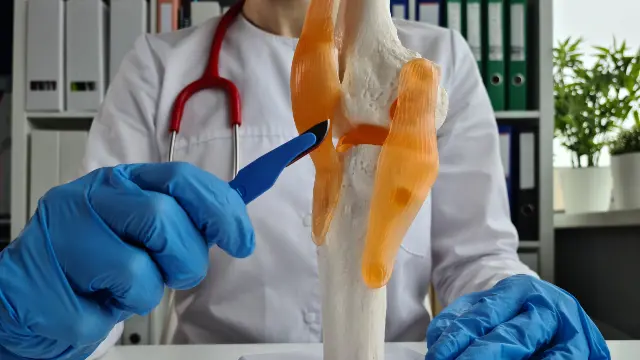
Arthroscopy is an excellent tool, but it has boundaries. Severe degenerative conditions, such as advanced osteoarthritis where the joint space is almost non existent, often require a total joint replacement. This cannot be done effectively through tiny incisions. In these cases, the surgeon needs to reshape the bone and fit large components, which necessitates an open approach.
Multi ligament reconstructions in the knee or shoulder also frequently require open surgery. When several structures are torn, the surgeon needs to see how they interact to ensure the entire joint is stable. Similarly, revision surgeries, where a previous repair has failed or hardware needs to be removed, are often too complex for an arthroscope. The presence of old screws or plates often requires a larger opening for safe removal.
Dr. Pyo Nasil’s twenty plus years of experience are vital here. He can accurately assess when a patient is a candidate for arthroscopy and when they are not. This reduces what we call conversion rates. A conversion happens when a surgeon starts with an arthroscope but realizes they must switch to an open incision to complete the repair safely. Our goal is to have a clear plan before the surgery begins.
Safety And Complication Management
Every surgical procedure carries risks. These include infection, blood clots, and potential nerve damage. While the risk of infection is generally lower with arthroscopy, it is not zero. Open surgery carries a standard risk for major procedures, which we manage with strict sterile protocols and post operative antibiotics.
For our international patients from cities like Los Angeles and New York, we provide detailed instructions on how to monitor for complications once they return home. We coordinate with local doctors to ensure that any issues are caught early. Dr. Pyo’s extensive experience means he has seen almost every possible scenario, allowing him to navigate complications with a calm and practiced hand.
Choosing The Right One: Decision Making Factors
The final choice between arthroscopy vs open surgery depends on a combination of medical facts and your personal lifestyle. It is a collaborative process that starts with an honest conversation with your orthopedic specialist.
Diagnosis Specific Recommendations
The joint in question often dictates the surgical method. In shoulder treatment, rotator cuff repairs are frequently done arthroscopically with great success. However, a major shoulder replacement usually requires an open incision. In knee treatment, ACL and meniscus repairs are the most common arthroscopic procedures. For hip treatment, labral tears are often handled through minimally invasive means.
Advanced imaging based assessment is the foundation of our recommendations in Seoul. We use the latest MRI and CT technology to see inside the joint before any decisions are made. We have seen many cases where patients from NYC were told they needed open surgery, but upon a more detailed assessment, we found they were candidates for a minimally invasive approach.
These case studies highlight the importance of getting a second opinion from a high volume specialist. When a surgeon performs hundreds of these procedures every year, they develop a level of comfort with the arthroscope that others might not have. This expertise can often open up less invasive options for the patient.
Lifestyle And Professional Considerations
Your daily life in a city like New York or Los Angeles is a major factor. If your job involves heavy lifting or long hours of standing, a faster recovery is not just a luxury, it is a financial necessity. We take these factors into account when planning your surgery and rehab.
Travel considerations are also important for our international patients. Flying back to the USA after surgery requires careful planning to prevent blood clots. We provide a specific timeline for when it is safe to fly and what precautions you should take during the flight.
The Pyo Nasil difference lies in our personalized orthopedic diagnostics. We don't treat X rays; we treat people. Your lifestyle dictates our surgical approach just as much as your MRI does. This patient centered philosophy is why so many choose to travel to Seoul for their care.
Success Rates And Long Term Outcomes
When comparing arthroscopy vs open surgery, the long term results are remarkably similar for most conditions. The main difference is the path taken to get there.
Data On Patient Satisfaction
Studies consistently show high satisfaction rates for both surgical methods when applied to the correct diagnosis. Patients who undergo arthroscopy often report higher satisfaction in the first few months due to the easier recovery. However, at the twelve month mark, mobility scores and pain relief are usually equal.
The re injury rate is another important metric. For sports injuries, the quality of the repair is more important than the method used to access the joint. Whether done through a keyhole or an open incision, the goal is a stable and functional joint. Our data shows that by following the rapid rehab protocol, patients are less likely to experience a setback during the critical healing phase.
The Role Of The Surgeon’s Experience
The success of any surgery is highly dependent on the skill of the surgeon. A high volume surgeon who performs two hundred or more procedures annually has a level of precision that is hard to match. This volume ensures that their motor skills are refined and their judgment is sharp.
Dr. Pyo Nasil has served as the Chief of Orthopedics at multiple major hospitals. This leadership role required him to stay at the cutting edge of surgical techniques and patient safety. When you choose a surgeon with this level of experience, you are choosing a predictable outcome and a lower risk of complications.
Why Choose Pyo Nasil Orthopedic Surgery Clinic For Your Procedure?
Choosing a clinic in Seoul, South Korea, offers a unique blend of advanced technology, expert care, and cost effectiveness. The Pyo Nasil Clinic is a leader in this field, providing world class orthopedic care to a global audience.
Dr. Pyo Nasil’s Expertise And Experience
Dr. Pyo Nasil With over twenty years of experience in musculoskeletal care recognized expert in both spine disorders and joint conditions. His career has been defined by a commitment to excellence and a passion for patient education. He believes that an informed patient is a more successful patient.
His high volume expertise means that he has handled almost every possible joint injury. This experience allows him to make quick and accurate decisions in the operating room. Whether it is a routine arthroscopy or a complex open repair, his focus is always on the best possible outcome for the patient.
Rapid Rehabilitation - Our Difference
What truly sets us apart is our rapid rehabilitation philosophy. We do not view surgery as the end of the process, but as the beginning. Our unique integration of post surgical therapy ensures that you start moving as soon as it is safe. This focus on a rapid return to activity is especially beneficial for international travelers who want to maximize their time in Seoul.
We also utilize advanced non surgical orthopedic therapies. These can include specialized injections or physical therapy techniques that complement the surgical repair. By using every tool at our disposal, we provide a holistic approach to joint health.
International Patient Support
We understand the challenges of traveling for medical care. That is why we offer seamless support for our patients from New York and Los Angeles. Our English speaking staff is here to help with every step of the journey, from the initial consultation to your post operative follow up.
We provide personalized diagnostic coordination and assistance with travel logistics. Our goal is to make your medical tourism experience in Seoul as stress free as possible. By choosing Pyo Nasil, you are choosing a clinic that treats you like a person, not just a medical record.
How To Book Your Consultation
Taking the first step toward a pain free life is easier than you think. We have streamlined our booking process to accommodate international patients.
Step One - Schedule Your Virtual Consultation

You don't have to fly to Seoul to get an expert opinion. We offer virtual consultations where Dr. Pyo can review your US based MRI or CT scans. During this meeting, we will discuss whether arthroscopy vs open surgery is the right path for you. You can book this through WhatsApp or Zoom for your convenience.
Step Two - Your Treatment Journey In Seoul
Once you decide to move forward, we handle the scheduling of your imaging and surgery. We will work with you to create a rehab plan that fits your travel schedule. Our team will guide you on everything from what to pack to how to navigate the city of Seoul during your recovery.
Contact Information
📞 Phone:
💬 WhatsApp: Click Here
📧 Email: <info@/>
🌐 Website: /
📍 Location: Seocho-gu, Seoul, South Korea.
🕐 Hours: From Monday 9:00am - 6:00pm Tuesday 9:00am - 6:00pm Wednesday 9:00am - 6:00pm Thursday 9:00am - 6:00pm Friday 9:00am - 6:00pm Saturday Closed Sunday Closed
Conclusion
Whether you are considering arthroscopy vs open surgery, the goal remains the same. You want a safe and effective return to the activities you love. Arthroscopy offers significant benefits in terms of downtime and tissue preservation. It is the preferred choice for many common joint repairs. However, open surgery remains a vital and necessary tool for complex structural repairs that require direct access.
With over twenty years of experience and a commitment to rapid rehabilitation, Dr. Pyo Nasil ensures that every patient receives a customized plan. Whether you are from Seoul, New York City, or Los Angeles, your care is tailored to your unique anatomy and your specific lifestyle goals. We believe in providing the highest level of orthopedic care in a way that respects your time and your need for a functional, pain free life.
Don't let joint pain dictate your mobility any longer. The path to recovery starts with a conversation. Contact the Pyo Nasil Orthopedic Surgery Clinic today for a virtual consultation. Take the first step toward a faster recovery and a return to the fast paced life you enjoy.
About The Author
Dr. Pyo Nasil, Orthopedic Surgery Specialist
Chief Surgeon, Pyo Nasil Orthopedic Surgery Clinic
Twenty plus years experience in musculoskeletal care and minimally invasive procedures. Former Chief of Orthopedics at multiple leading hospitals. Member of the Korean Orthopaedic Association.
For consultations: | <info@/> | WhatsApp
More Articles
Continue reading our clinical guides.
Knee Surgery Cost Seoul 2026: USA Patient Price Guide
Discover the total knee surgery cost in Seoul for 2026. Compare Seoul orthopedic fees with USA prices and see why NYC patients choose Dr. Pyo Nasil.
Learn More

Travel Health Insurance Orthopedic Guide For Seoul 2026
Planning surgery in Seoul? Learn about travel health insurance orthopedic coverage, complication protection, and claim processes for US patients in 2026.
Learn More

Rapid Rehabilitation vs Traditional Physical Therapy Guide
Compare rapid rehabilitation vs traditional physical therapy outcomes. Learn how Dr. Pyo Nasil in Seoul helps patients recover faster and better.
Learn More