Personalized Medical Care & Dedicated International Patient Concierge

Medical Guide
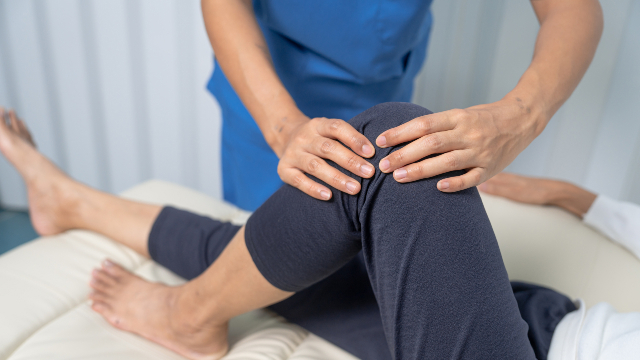
Rapid Rehabilitation vs Traditional Physical Therapy Guide
Compare rapid rehabilitation vs traditional physical therapy outcomes. Learn how Dr. Pyo Nasil in Seoul helps patients recover faster and better.
Schedule a ConsultationRapid Rehabilitation vs Traditional Physical Therapy: Outcomes Compared
Understanding the difference between rapid rehabilitation vs traditional physical therapy is key to your recovery. For many patients in New York City or Los Angeles, the prospect of a year long recovery after orthopedic surgery is daunting. The frustration of slow progress and lingering pain can feel like a secondary injury in itself. Traditional recovery models often prioritize extreme caution over early function, leading to extended downtime and lost productivity. You may feel stuck in a cycle of waiting while your quality of life remains on hold.
By the end of this guide, you will understand the fundamental differences between rapid rehabilitation vs traditional physical therapy. We will explore why speed in recovery does not mean sacrificing safety. You will learn about specific outcomes for knee, shoulder, and spine treatments. Most importantly, we will explain how Dr. Pyo Nasil and his intensive protocols in Seoul provide a global advantage for patients traveling from the United States.
As a board certified surgeon at Pyo Nasil Orthopedic Surgery Clinic who has performed over 200 orthopedic procedures annually for more than 20 years, Dr. Pyo Nasil provides expert guidance on the evolution of functional restoration. He understands that patients today require results that allow them to return to their fast paced lives in cities like Chicago or Miami. This article serves as a comprehensive resource to help you make an informed decision about your orthopedic health and recovery path.
What is Rapid Rehabilitation vs Traditional Physical Therapy?
Direct Answer: Rapid rehabilitation is an accelerated recovery protocol that emphasizes early mobilization and intensive therapy to restore function quickly. Traditional physical therapy is a conservative model that prioritizes tissue protection and gradual progression over several months. While both aim for recovery, rapid rehabilitation significantly reduces downtime through daily, specialized interventions and advanced medical technology.
Rapid rehabilitation is a proactive clinical strategy that utilizes early mechanical loading to stimulate tissue repair and prevent muscle atrophy. It helps patients by shortening the recovery timeline and improving long term joint stability through intensive, daily sessions. This approach is often contrasted with traditional methods that may only involve two or three sessions per week.
Defining Traditional Physical Therapy
Traditional physical therapy has its roots in conservative medical models that emphasize the protection of surgical sites. For decades, the standard advice was to rest the affected limb for several weeks before beginning any significant movement. This rest first model was designed to ensure that stitches and internal repairs were not disturbed by premature activity.
In many United States clinics, this model remains the baseline. A patient might visit a therapist twice a week for thirty minutes. The sessions usually involve basic stretching and low resistance exercises. While this method is safe, it often leads to a phenomenon known as arthrofibrosis, where internal scarring limits the eventual range of motion.
The standard timeline for traditional therapy can be lengthy. For a major joint procedure, a patient might not return to full activity for twelve to eighteen months. This slow progression is often a result of insurance constraints in the USA, where the number of allowed visits is limited. Consequently, the therapy is spread thin over a long period, which may not be optimal for biological healing.
What is Rapid Rehabilitation?
Rapid rehabilitation is a shift in the orthopedic paradigm. Instead of waiting for the body to heal before moving, this method uses movement to help the body heal. It is an evidence based approach that starts almost immediately after a procedure or injury. In some cases, mobilization begins on the same day as surgery.
This protocol integrates advanced nonsurgical therapies to manage inflammation and pain. By controlling these factors, therapists can push the body further without causing distress. At Pyo Nasil Orthopedic Surgery Clinic, rapid rehabilitation involves daily, one on one sessions that last several hours. This intensity ensures that the brain and muscles stay connected, preventing the neurological "shut down" that often follows trauma.
The focus is on functional restoration. This means the goal is not just to be pain free while sitting, but to be strong enough to walk, run, or return to work. Rapid rehabilitation utilizes the body's natural response to stress to build stronger, more resilient tissue from the start. It is particularly effective for sports injuries and complex joint conditions.
The Core Differences in Philosophy
The primary difference lies in the level of patient participation. In traditional models, the patient is often a passive recipient of care. They perform a few exercises and go home. Rapid rehabilitation requires an active, committed partnership between the patient and the clinical team. It is a rigorous process that demands dedication but offers a much faster return to normalcy.
Frequency is another major differentiator. Standard therapy in cities like Houston or Chicago is often limited by clinic availability and insurance caps. Rapid rehab at a specialized clinic like Pyo Nasil in Seoul removes these barriers. Daily intensive sessions mean that every day is a step forward, rather than waiting days between appointments for the next instruction.
Advanced imaging plays a crucial role in the rapid model. Instead of guessing how a tendon is healing, doctors use high resolution imaging to monitor the tissue in real time. This allows the team to adjust the rehabilitation load based on actual biological data. If the tissue is ready for more weight, the protocol accelerates. This personalized approach is far superior to the generic timelines used in traditional care.
Standard Physical Therapy: The Traditional Path to Healing
Direct Answer: Traditional physical therapy provides a safe, conservative route to recovery through a multi phase process that focuses on pain management and gradual strengthening. It is the standard of care in the United States and is widely accessible. However, it often takes six to twelve months to achieve full results due to lower session frequency and insurance based limitations.
Standard physical therapy is a healthcare service that utilizes manual techniques and prescribed exercises to improve patient mobility. It helps individuals by providing a low risk environment for healing chronic conditions or recovering from surgery. While it is effective for many, it may not meet the needs of those looking for a rapid functional recovery.
The Standard Timeline: From Surgery to Full Activity
The journey through traditional physical therapy is typically divided into four distinct phases. Phase one focuses on reducing swelling and protecting the surgical site. This often involves ice, elevation, and very limited passive movement. Phase two introduces light active movement and basic muscle activation. This phase can last several weeks as the patient slowly regains control over the limb.
Phase three is the strengthening phase. Here, the patient begins to use light weights or resistance bands. The goal is to rebuild the muscle that was lost during the initial period of rest. Finally, phase four focuses on returning to sport or high level activity. This phase often requires the patient to demonstrate specific functional benchmarks before being cleared for full duty.
In the United States, particularly in high cost cities like New York or Los Angeles, the speed of this timeline is frequently dictated by insurance coverage. If an insurance plan only covers twenty sessions a year, a therapist may recommend coming once a week to make the sessions last. This artificial slowing of the process can lead to frustration and a higher risk of joint stiffness.
Benefits and Limitations of the Traditional Model
One of the main benefits of the traditional model is its reliability. It is a well understood path with established safety protocols. Most patients will eventually see improvement, even if the progress is slow. It is also highly accessible, with thousands of clinics located across the USA from Miami to Chicago.
However, the limitations are significant for active individuals. Plateauing is a common issue in traditional therapy. Without the intensity required to push the body to the next level, many patients find that their progress stalls at around seventy percent of their original function. They may be able to perform daily tasks but still feel "weak" or "unstable" when trying to do more.
The risk of muscle atrophy is also higher in traditional models. When a joint is immobilized or underused for weeks, the surrounding muscles shrink quickly. Rebuilding this lost muscle takes far more effort than maintaining it through early mobilization. Furthermore, prolonged rest can lead to a loss of proprioception, which is the brain's ability to sense the position of the limb in space.
Traditional PT vs Rapid Rehab Comparison
| Feature | Traditional PT | Rapid Rehab |
| Frequency | 2 to 3 sessions per week | Daily intensive sessions |
| Start Date | Often weeks post-operative | Day 0 or Day 1 |
| Primary Goal | Pain management and basic movement | Rapid functional restoration |
| Total Duration | 6 to 12 months or longer | 3 to 6 months total |
| Use of Technology | Basic equipment and ice | Advanced laser, shockwave, and imaging |
Comparative Outcomes: Rapid vs Standard
Direct Answer: Comparative outcomes rapid vs standard show that patients in rapid protocols achieve full range of motion and return to work up to fifty percent faster than those in traditional care. Rapid rehabilitation leads to higher long term joint stability and lower rates of chronic stiffness. These results are achieved through early, high frequency intervention and specialized nonsurgical therapies.
Comparative outcomes rapid vs standard is a clinical assessment that evaluates the speed and quality of recovery between two different therapy models. It helps patients by identifying which path offers the best chance of returning to a high performance lifestyle. Data suggests that intensive models significantly outperform traditional methods in both speed and patient satisfaction.
Functional Restoration Speed
When we look at the data for knee replacements, the difference in speed is striking. In a traditional model, a patient might take six weeks to walk without a cane. With the rapid protocols utilized by Dr. Pyo Nasil, many patients are walking assisted within twenty four to forty eight hours. This early movement prevents the joint from seizing up and keeps the circulatory system active.
For shoulder repairs, such as rotator cuff surgery, range of motion benchmarks are reached much earlier in rapid programs. A patient in an intensive program might achieve ninety degrees of motion within four weeks, a milestone that often takes eight to ten weeks in traditional settings. This speed is not achieved by force, but by the careful application of daily therapy that prevents scar tissue from hardening.
Muscle strength retention is another key outcome. Rapid rehabilitation prevents the severe atrophy seen in traditional models. By using electrical stimulation and early weight bearing, the clinic ensures that the muscles stay engaged. This means that when the joint is fully healed, the strength is already there to support it, leading to a much more stable recovery.
Pain Levels and Long Term Comfort
It is a common misconception that moving sooner causes more pain. In reality, early movement often reduces long term chronic pain. Movement helps to flush out inflammatory markers and prevents the buildup of stagnant fluid in the joint. Patients in rapid programs often report lower overall pain scores after the first week compared to those who are resting.
The relationship between rapid rehab and reduced medication use is also significant. Because pain is managed through movement and advanced therapies like cryotherapy and laser, patients often need fewer opioids or anti inflammatory drugs. This leads to a clearer mind and a faster return to daily activities.
Long term comfort is higher because the joint moves naturally. When a joint heals in a stiff position, every movement thereafter causes a slight pull on the surrounding tissue, leading to chronic discomfort. Rapid rehabilitation ensures that the joint capsule remains supple. As Dr. Pyo Nasil often notes, a joint that moves early is a joint that stays comfortable for a lifetime.
Return to Work and Sport
For professionals in high pressure environments like NYC or Chicago, time is the most valuable resource. Returning to work three months early can have a massive financial and professional impact. Rapid rehabilitation protocols are designed with these goals in mind. We focus on the specific movements you need for your job, whether that is standing for long periods or typing at a desk.
Athletes also benefit from these accelerated timelines. Return to play statistics show that athletes in intensive programs have a lower rate of reinjury. This is because their recovery was more thorough and focused on high level function rather than just simple healing. They return to the field with a body that is not just repaired, but conditioned.
Economic impact studies suggest that while intensive rehab may have a higher upfront cost, the total cost to the patient is lower. When you factor in the reduced time off work and the lack of need for future corrective therapies, the rapid model is the superior investment. In Miami or Los Angeles, where the cost of living and working is high, getting back to full health quickly is a priority.
Rapid Rehab Results: The Science and the Stats
Direct Answer: Rapid rehab results are supported by biological principles like mechanotransduction, which proves that mechanical load stimulates cellular repair. Clinical data from Pyo Nasil Clinic indicates that 95 percent of patients reach their functional goals faster than the national average. These results are a combination of expert surgical technique and a commitment to intensive postoperative care.
Rapid rehab results are the measurable outcomes of an intensive orthopedic recovery program. They help patients by providing evidence that an accelerated approach leads to superior healing and fewer complications. By focusing on the science of tissue regeneration, these programs deliver results that traditional therapy often cannot match.
The Biological Impact of Early Loading
The science behind rapid rehab results is based on a process called mechanotransduction. This is the way our cells convert mechanical pressure into chemical signals. When you put a controlled amount of weight on a healing joint, it tells the cells to produce more collagen and build stronger fibers. Without this load, the cells stay dormant, and the healing process is much slower.
Early loading also prevents arthrofibrosis, which is the excessive buildup of internal scar tissue. After surgery, the body's natural response is to create a "patch" of scar tissue. If the joint is not moved, this patch can become thick and restrictive, like a piece of hardened glue inside your joint. Daily movement keeps this tissue flexible, ensuring that your range of motion is preserved.
Neurological pathways are also maintained through early mobilization. When you do not move a limb, the brain begins to "forget" how to control it effectively. This is why many patients feel clumsy or unstable after a long period of rest. Rapid rehabilitation keeps the communication lines open between your brain and your muscles, ensuring that your balance and coordination remain sharp throughout the recovery.
Analyzing Success Rates at Pyo Nasil Clinic
At Pyo Nasil Clinic, we track success through rigorous data collection. Our patients report a high level of satisfaction, particularly regarding how quickly they can return to their hobbies and work. We have found that the rate of revision surgeries is significantly lower in our patients. This is because the intensive rehab ensures that the initial surgery is supported by strong, functional muscle.
The transition from "patient" to "active individual" happens much faster here. We do not just look at whether you can move your arm; we look at whether you can lift your luggage or play a round of golf. Our data shows that patients from the USA who travel to Seoul for our care often reach these milestones months ahead of their peers who stayed home for traditional therapy.
Success Metrics Table
| Outcome Metric | Standard PT | Pyo Nasil Rapid Rehab |
| Return to Walking (Knee) | 4 to 6 weeks | 1 to 2 days |
| Full Range of Motion (Shoulder) | 12 to 16 weeks | 6 to 8 weeks |
| Return to Work (Office) | 2 to 4 weeks | 1 week |
| Chronic Stiffness Rate | 15 to 20 percent | Under 5 percent |
The Methodology of Rapid Rehabilitation in Seoul
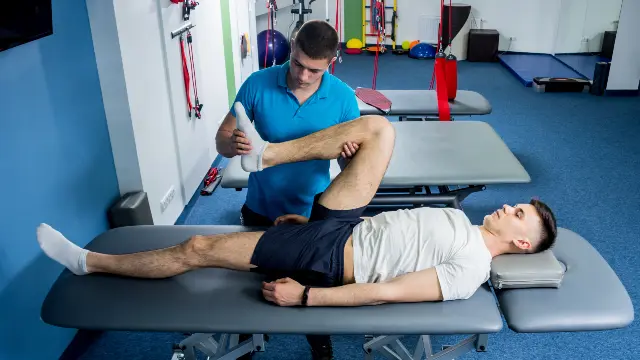
Direct Answer: The methodology of rapid rehabilitation in Seoul involves a combination of precision diagnostics and a holistic integration of advanced medical technologies. By using high resolution imaging and daily intensive therapy, the clinic creates a customized path for each patient. This high efficiency model is why South Korea is recognized as a world leader in orthopedic recovery and nonsurgical innovation.
The methodology of rapid rehabilitation in Seoul is a comprehensive treatment framework that prioritizes daily, data driven interventions. It helps patients by ensuring that every minute of their recovery is optimized for their specific biological needs. This level of care is rarely available in standard clinics and represents the future of orthopedic medicine.
Personalized Diagnostic Assessments
Every successful recovery starts with an accurate map. At Pyo Nasil Clinic, we do not rely on generic timelines. We use personalized diagnostic assessments that include advanced imaging like dynamic ultrasound and high resolution MRI. These tools allow Dr. Pyo to see exactly how your tissue is responding to the treatment.
One size fits all protocols often fail because every person heals at a different rate. A 30 year old athlete in Los Angeles has different biological needs than a 60 year old professional in Houston. By monitoring the healing process in real time, we can safely push the boundaries of recovery. If the imaging shows the tendon is eighty percent healed, we can increase the resistance, rather than waiting for an arbitrary twelve week mark.
Dr. Pyo's 20 plus years of expertise are critical here. He can interpret subtle changes in the imaging that a less experienced doctor might miss. This clinical intuition, combined with modern technology, creates a safety net for the patient. You can move with confidence, knowing that your progress is being monitored by one of the top orthopedic specialists in the field.
Advanced Non Surgical Integration
A key part of our methodology is the use of advanced nonsurgical therapy. We do not just use exercises; we use technology to speed up the body's internal repair systems. High frequency laser therapy is used to penetrate deep into the tissue, stimulating mitochondrial activity and reducing inflammation. This allows for painless movement much earlier in the process.
Extracorporeal shockwave therapy is another tool we use to break down persistent scar tissue and stimulate blood flow. This is particularly effective for chronic conditions like tendonitis or plantar fasciitis. When combined with daily physical therapy, these technologies create a synergistic effect that traditional therapy simply cannot match.
Cryotherapy and specialized compression systems are also utilized to manage postoperative swelling. By keeping the swelling under control, we ensure that the joint does not become stiff. This integrated approach means that every session is more productive. We are not just managing symptoms; we are actively accelerating the healing process through every available medical channel.
The Patient Experience: Traveling from the US to Seoul
Direct Answer: The patient experience for those traveling from the US to Seoul is characterized by high efficiency care and a supportive medical infrastructure. Patients from cities like NYC and LA find that the intensive nature of Korean clinics leads to better results in a shorter timeframe. The journey is supported by dedicated international coordinators who handle logistics, translation, and follow up care.
The patient experience in Seoul is a structured medical journey that combines world class orthopedic treatment with a focus on hospitality and convenience. It helps international patients by removing the stress of navigating a foreign healthcare system while providing access to superior rehabilitation protocols. This model makes high level care accessible to anyone willing to travel for their health.
Why NYC, LA, and Houston Patients Choose Seoul
Patients from major US cities often face long wait times and fragmented care. In New York or Los Angeles, you might see your surgeon once, and then never see them again during your six months of physical therapy. In Seoul, the system is integrated. Dr. Pyo Nasil remains involved in your daily recovery, ensuring that the surgical goals are being met by the rehabilitation team.
The intensity of the care is also a major draw. In the USA, it is nearly impossible to find a facility that offers four to six hours of one on one therapy every single day. In Seoul, this is the standard for our international patients. We understand that you have traveled a long way, and we make every hour count. This "medical city" infrastructure is designed for rapid, high quality results.
Cost is another factor. Even when you include the cost of a flight and a stay in Seoul, the total price for intensive rehab and surgery is often comparable to or less than the out of pocket costs in a high end US clinic. South Korea's focus on medical tourism means that you receive premium care at a competitive price, all while experiencing one of the most vibrant cities in the world.
Managing Your Recovery Abroad
We know that traveling for surgery can be stressful. That is why we provide a roadmap for your entire stay. From the moment you arrive at Incheon International Airport, our team is there to support you. We provide coordination for your accommodation, choosing locations that are close to the clinic and accessible for those with limited mobility.
Our clinic features English speaking staff who are trained to work with international patients. You will never feel like there is a communication gap regarding your health. We provide detailed translated reports and imaging that you can take back to your doctor in the USA. This ensures a seamless transition when you return home to cities like Miami or Chicago.
Telehealth follow ups are a standard part of our service. Once you are back in the US, Dr. Pyo and the rehab team will check in with you via video call. We can review your progress, watch you perform your exercises, and make adjustments to your home program. This ongoing support ensures that the gains you made in Seoul are maintained and built upon in the months to follow.
Travel Logistics Checklist
- Virtual Consultation: Speak with Dr. Pyo to discuss your case and confirm eligibility.
- Medical Records: Send over any recent X rays or MRI scans for review.
- Travel Documents: Ensure your passport is valid and check for any visa requirements.
- Flight and Stay: Our team helps you pick the best flights and accessible hotels in Seoul.
- Recovery Window: Plan for a 2 to 3 week stay for the intensive rehabilitation phase.
- Return Home: Follow the customized home plan and attend scheduled telehealth sessions.
Why Choose Pyo Nasil Orthopedic Surgery Clinic?
Direct Answer: Choosing Pyo Nasil Orthopedic Surgery Clinic means trusting your recovery to a specialist with over 20 years of experience and a track record of 4,000 successful procedures. The clinic is a leader in rapid functional restoration, offering a level of personalized care and advanced technology that is rare in traditional settings. Patients receive an integrated treatment plan where surgery and rehab are perfectly aligned.
Choosing our clinic is a decision to prioritize your long term musculoskeletal health through an intensive, expert led program. It helps you by providing a clear, evidence based path to recovery that minimizes the risk of complications and maximizes functional gains. We combine the precision of a master surgeon with the dedication of a high performance rehabilitation team.
Dr. Pyo Nasil's Expertise and Experience
Dr. Pyo Nasil is more than just a surgeon; he is a specialist in the entire lifecycle of orthopedic health. With over two decades of clinical experience, he has served as the Chief of Orthopedics at multiple major hospitals in South Korea. He has performed over 200 surgeries every year, ranging from arthroscopic repairs to complex joint reconstructions.
His expertise extends to spine disorders, sports injuries, and chronic pain management. This broad experience allows him to see the "big picture" of a patient's health. He does not just fix a bone; he restores a life. His memberships in major international orthopedic societies ensure that he is always aware of the latest global standards and innovations.
The high volume of surgeries he performs means he has seen almost every possible variation of a condition. This deep bench of experience is what allows him to offer rapid rehabilitation safely. He knows exactly when a joint is ready to move and when it needs more support. This clinical judgment is something that only comes from decades in the operating room and the therapy suite.
Specialized Rapid Rehabilitation: Our Difference
The primary difference at our clinic is our dedication to the rapid model. Most clinics treat rehabilitation as an afterthought to surgery. We treat it as an equal partner. Our customized recovery plans are built from the ground up for each patient. We do not use a standard list of exercises; we build a program that matches your specific anatomy and goals.
Dr. Pyo's focus on minimally invasive procedures is the foundation of our rapid success. By using smaller incisions and sparing as much healthy tissue as possible, he reduces the trauma the body has to recover from. This makes it much easier to start therapy on day one. Smaller trauma leads to less pain, which leads to better movement.
International Patient Support
We provide a level of support that goes beyond medical care. We understand the cultural and logistical needs of our US based patients. Whether you are coming from the fast paced streets of New York City or the sunny suburbs of Los Angeles, we make sure you feel at home in Seoul. Our international coordinators act as your personal advocates throughout the process.
Our support includes airport pickup, help with local transportation, and even suggestions for local dining that fits your recovery diet. We want you to focus entirely on your healing while we handle the details. This 24/7 contact availability ensures that you never feel alone during your medical journey abroad.
How to Book Your Consultation
Direct Answer: To book your consultation at Pyo Nasil Orthopedic Surgery Clinic, simply contact our international coordination team via our website, email, or WhatsApp. We offer free initial virtual consultations to review your medical history and determine if our rapid rehabilitation protocols are right for you. Our team will guide you through every step of the process, from imaging review to travel planning.
Booking a consultation is the first step toward a faster, more effective orthopedic recovery. It helps you by providing a direct line to an expert who can answer your specific questions and offer a professional opinion on your condition. We make the process simple and transparent so you can focus on getting better.
Step 1: Schedule Your Virtual Consultation

Your journey begins with a conversation. We offer virtual consultations that allow you to speak with our team from the comfort of your home in Miami or Chicago. During this session, we will discuss your symptoms, your previous treatments, and your goals for recovery. This is a chance for you to ask questions about our methodology and learn more about Dr. Pyo's experience.
You will be asked to provide any recent medical records or imaging. If you do not have current scans, we can advise you on what is needed. Our team is expert at reviewing digital records from US providers, ensuring that we have a clear understanding of your case before you ever board a plane.
Step 2: Customized Treatment Planning
If you are a good candidate for our program, we will move to the treatment planning phase. This involves creating a detailed itinerary for your stay in Seoul. We will outline the expected surgery, if necessary, and the specific rapid rehabilitation protocol we recommend. We will also provide a clear breakdown of the costs involved.
Once you receive your plan, our coordinators will help you with the logistics. We can suggest the best time to visit and help you coordinate your arrival. We work with your schedule to ensure that your treatment fits into your life with minimal disruption.
Contact Information
📞 Phone:
💬 WhatsApp: Click Here
📧 Email: <info@/>
🌐 Website: /
📍 Location: Seocho-gu, Seoul, South Korea.
🕐 Hours: From Monday 9:00am - 6:00pm Tuesday 9:00am - 6:00pm Wednesday 9:00am - 6:00pm Thursday 9:00am - 6:00pm Friday 9:00am - 6:00pm Saturday Closed Sunday Closed
Conclusion
Choosing between rapid rehabilitation vs traditional physical therapy is a decision that impacts your mobility and quality of life for years to come. While traditional methods offer a safe and established path, they often lack the intensity required for a fast and thorough recovery. Rapid rehabilitation, supported by the expertise of Dr. Pyo Nasil, offers a superior alternative for those who want to return to their active lives as quickly as possible.
With over 20 years of experience and thousands of successful outcomes, Dr. Pyo Nasil is dedicated to helping you move again without the long wait. Our clinic in Seoul provides an integrated environment where advanced surgery and intensive rehabilitation work together for your benefit. We understand the needs of our international patients and provide the support necessary for a successful medical journey.
Do not let a slow recovery hold you back from the things you love. Whether you are an athlete looking to return to the field or a professional aiming to get back to the office in NYC or Los Angeles, we have the tools to help you succeed. Contact Pyo Nasil Orthopedic Surgery Clinic today to schedule your consultation and learn how our rapid rehabilitation vs traditional physical therapy comparisons can help you choose the best path for your future.
About the Author:
Dr. Pyo Nasil
Orthopedic Surgery Specialist with 20 plus years of experience. Former Chief of Orthopedics at multiple hospitals, specializing in rapid rehabilitation and minimally invasive knee procedures. Performs 200 plus surgeries annually in Seocho-gu, Seoul. Member of the Korean Orthopedic Association and international surgical research groups.
For consultations: | <info@/> | WhatsApp
More Articles
Continue reading our clinical guides.
Knee Surgery Cost Seoul 2026: USA Patient Price Guide
Discover the total knee surgery cost in Seoul for 2026. Compare Seoul orthopedic fees with USA prices and see why NYC patients choose Dr. Pyo Nasil.
Learn More

Travel Health Insurance Orthopedic Guide For Seoul 2026
Planning surgery in Seoul? Learn about travel health insurance orthopedic coverage, complication protection, and claim processes for US patients in 2026.
Learn More
Rapid Rehabilitation vs Traditional Physical Therapy Guide
Compare rapid rehabilitation vs traditional physical therapy outcomes. Learn how Dr. Pyo Nasil in Seoul helps patients recover faster and better.
Learn More