Personalized Medical Care & Dedicated International Patient Concierge

Medical Guide
Rapid Rehabilitation Orthopedic Surgery Seoul | Pyo Nasil 2026
Learn how rapid rehabilitation orthopedic surgery at Pyo Nasil Seoul helps US patients recover faster, return to sport sooner, and get back to life in 2026.
Schedule a ConsultationIntroduction
If you have been told that recovering from orthopedic surgery means months of slow, unpredictable progress sitting out ski seasons, missing golf rounds, delaying your return to clinical work, or watching your family stay active without you then you have not yet heard what rapid rehabilitation orthopedic surgery can actually deliver when it is done right. At Pyo Nasil Orthopedic Surgery Clinic in Seocho-gu, Seoul, the rehabilitation program is not an afterthought bolted onto surgery. It is the central pillar of the entire treatment philosophy, and it is precisely why American patients from New York, Los Angeles, Houston, and Miami are making the decision to recover here rather than at home.
The standard physical therapy model available to most US orthopedic patients after surgery is largely reactive, often delayed by insurance approvals, and rarely personalized to your specific procedure, your body, and your life goals. For Richard, who needs to be back on the tennis court in four months. For Paula, who needs to return to clinical nursing shifts in ten weeks. For Lawrence, who has a golf tournament circled on his calendar. Standard PT timelines are simply not acceptable, and the data shows clearly that there is a better way.
By the end of this guide, you will understand exactly how Pyo Nasil's rapid rehabilitation orthopedic surgery program works, what the clinical evidence says about accelerated recovery protocols, how the week-by-week milestones compare to standard US physical therapy outcomes, what virtual follow-up looks like after you return to the United States, and what realistic recovery timelines look like for knee arthroscopy, rotator cuff repair, and hip arthroscopy specifically.

What Is Rapid Rehabilitation Orthopedic Surgery and Why Does It Change Everything?
This section exists to answer a question that many American patients quietly carry with them when they first encounter the phrase "rapid rehabilitation": is this real clinical science, or is it a marketing term designed to make an overseas clinic sound more appealing than it actually is? The honest answer is that rapid rehabilitation orthopedic surgery is a well-documented, evidence-supported approach to post-surgical care, and the Pyo Nasil program applies it with the clinical rigor that its definition demands.
The Clinical Definition of Rapid Rehabilitation
Rapid rehabilitation is an evidence-based post-surgical protocol that initiates structured, progressive movement within hours to days of surgery rather than waiting weeks for the inflammation to subside passively. The physiological foundation of this approach is grounded in what we understand about tissue healing, neuromuscular function, and the biology of the early post-operative period.
Controlled early movement prevents scar tissue formation by mechanically disrupting early fibrosis before it consolidates into restrictive adhesions. It maintains synovial fluid circulation in joint spaces, which is essential for articular cartilage nutrition and joint lubrication. It preserves muscle memory by keeping the neuromuscular pathways between the brain and the surgical site activated rather than allowing the neurological deconditioning that develops rapidly during periods of immobilization. These are not theoretical claims they are supported by a substantial body of published clinical literature, including data from Enhanced Recovery After Surgery (ERAS) studies and procedure-specific randomized trials.
The distinction that matters most for patients considering this approach is the difference between "rapid" and "rushed." Rapid rehabilitation is not about cutting corners, compressing healing timelines artificially, or applying aggressive intervention before the body is physiologically ready. It is about applying the correct therapeutic stimulus at precisely the correct time within a carefully monitored framework that adjusts continuously based on each patient's individual response.
For the international patient specifically, this distinction carries enormous practical importance. A compressed but clinically rigorous rehabilitation window means that a 10 to 14-day stay in Seoul can accomplish what standard post-operative protocols take 4 to 6 weeks to deliver in the United States. That is not a marketing claim. That is the documented outcome differential of early mobilization versus extended immobilization across multiple procedure types.
Why Standard US Physical Therapy Falls Short for Active Patients
The structural limitations of the standard US post-surgical physical therapy pathway are not a failure of individual therapists or clinics. They are a systemic problem built into how the US healthcare system processes and reimburses post-operative care. Most American orthopedic patients face insurance authorization delays of 2 to 4 weeks after surgery before they can even begin formal physical therapy. During those critical early weeks the precise window when early mobilization delivers its greatest benefit patients are largely left to manage at home with generic instructions and minimal clinical oversight.
When PT does begin, it is typically applied using a generalized protocol based on procedure type alone, with little or no consideration for the patient's pre-operative fitness level, specific surgical findings, occupational demands, or personal activity goals. A 42-year-old competitive recreational athlete who plays tennis three times a week and a 70-year-old sedentary patient receive fundamentally the same post-knee-arthroscopy protocol under the standard US model and both are systematically underserved by that approach.
The compounding effect of delayed rehabilitation initiation is one of the most poorly understood aspects of orthopedic recovery among patients. Every week of suboptimal early recovery does not merely delay the timeline by one equivalent week. Muscle atrophy, joint stiffness, and neuromuscular deconditioning that develop during periods of inadequate post-surgical rehabilitation compound in a way that adds weeks of additional recovery time at the far end of the process. The cost of a poorly managed early recovery is paid in months, not days.
Consider Paula's specific situation: a registered nurse whose shoulder surgery demands a return to full clinical duties, including patient transfers and overhead reach, within 10 to 12 weeks. The standard US PT model realistically delivers that outcome in 16 to 20 weeks at best. That gap of 6 to 8 weeks represents lost income, professional disruption, and months of physical limitation that a properly structured sports injury recovery program Seoul could have prevented entirely.
The Pyo Nasil Rapid Rehabilitation Philosophy
The Pyo Nasil approach to rapid rehabilitation orthopedic surgery rests on four integrated pillars that distinguish it from both standard US physical therapy and from generic rehabilitation programs at other orthopedic clinics in Seoul. Those four pillars are: early mobilization initiated within hours of surgery, personalized progression based on measured milestones rather than fixed calendar dates, direct integration between the surgical team and the rehabilitation program, and continuous monitoring against objective functional benchmarks.
What makes the Pyo Nasil model genuinely different from most rehabilitation services whether in the United States or internationally is that the rehabilitation program is not outsourced, contracted out, or developed independently of the surgical process. Dr. Pyo Nasil, who performs the surgery, is directly involved in designing and overseeing the rehabilitation protocol. Adjustments to the protocol are made based on direct surgical knowledge of exactly what was done during the procedure, not assumptions drawn from a post-operative report reviewed by a separate clinical team days or weeks later.
The outcome philosophy that governs this program is simple but clinically significant: the goal is not simply healing. The goal is functional restoration to the patient's pre-injury activity level or in many cases, beyond it. That is what separates a post-surgical rehabilitation program from what can be fairly described as a genuine sports injury recovery program Seoul experience. A course of physical therapy heals the tissue. A properly structured rapid rehabilitation orthopedic surgery program restores the life.
The Science Behind Accelerated Orthopedic Recovery
For patients like Richard, who is the type of professional to download PubMed abstracts before making any significant decision, and for Paula, who will evaluate this information with the critical eye of a registered nurse, this section provides the evidence foundation that separates clinical reality from marketing language. The science of accelerated orthopedic recovery is not new but its application within a comprehensive, surgeon-integrated rehabilitation program is far less common than the evidence would suggest it should be.
What Happens to Your Body in the First 72 Hours After Orthopedic Surgery
The first 48 to 72 hours after orthopedic surgery represent the most biologically consequential period in the entire recovery process. During this window, the surgical site is navigating an acute inflammatory response that, if managed correctly, establishes the foundation for optimal healing. If managed poorly through excessive immobilization, inadequate pain control, or no early mobilization the same inflammatory process sets the stage for the delayed recovery, chronic stiffness, and prolonged rehabilitation that characterizes suboptimal outcomes.
Controlled movement during this critical window modulates the inflammatory response in a specific and positive way. Gentle, guided mechanical loading of the healing tissue reduces excessive fibrosis the formation of dense scar tissue without compromising the biological healing process itself. This is the physiological argument for early mobilization: not that inflammation should be eliminated, but that it should be channeled productively through appropriate stimulus.
The neuromuscular reconnection process that begins in these early hours is equally important. Following surgery, the neural pathways between the brain and the musculature surrounding the surgical site undergo a form of temporary disruption. Early activation of the surrounding musculature through specific, carefully calibrated exercises prevents the long-term strength deficits that plague patients who remain immobilized for extended periods after arthroscopic procedures.
For knee arthroscopy specifically, quadriceps activation initiated within 24 hours of surgery has been shown in clinical studies to produce significantly superior strength and functional outcomes compared to the standard approach of 7 to 10 days of immobilization before any active rehabilitation begins. For shoulder surgery, early pendulum exercises and passive range-of-motion protocols initiated within 48 hours deliver measurably better range-of-motion outcomes than the conventional 2 to 3-week sling-immobilization approach, which is now well-recognized in the clinical literature as a driver of unnecessary stiffness and prolonged recovery. Published research in peer-reviewed journals including studies on ERAS protocols confirms that early mobilization after orthopedic procedures consistently reduces hospital stay duration, accelerates functional recovery, and lowers complication rates compared to traditional immobilization-first approaches.
Clinical Evidence Supporting Rapid Rehabilitation Protocols
The clinical case for accelerated rehabilitation after orthopedic surgery is supported by a growing body of published outcome data across multiple procedure types. Understanding the key findings from this evidence base is important for any patient who is evaluating whether the rapid rehabilitation orthopedic surgery approach represents genuinely superior care or simply a repackaging of standard PT with a more compelling name.
For knee arthroscopy, published clinical studies demonstrate that patients on accelerated post-operative rehabilitation protocols achieve full range of motion on average 3 to 4 weeks earlier than patients managed on standard protocols. A meta-analysis examining accelerated versus restricted rehabilitation programs following meniscal surgery found that accelerated protocols produced superior patient-reported outcomes without increased complication rates, supporting the safety and efficacy of early mobilization in this patient population.
For rotator cuff repair, peer-reviewed data published in the Journal of Shoulder and Elbow Surgery found that accelerated physical therapy after rotator cuff repair is associated with statistically significant improvement in active range of motion at both 6 weeks and 3 months post-operatively when compared with standard protocols. The accelerated group demonstrated superior functional activity levels, as measured by the Disabilities of the Arm, Shoulder and Hand (DASH) scale, at weeks 8, 12, and 16 after surgery. These are not marginal differences they represent clinically meaningful improvements in functional recovery speed.
For hip arthroscopy, research published in peer-reviewed sports medicine literature demonstrates that accelerated rehabilitation protocols can safely return patients to recreational and competitive sport within 4 to 6 months, compared to the 5 to 7 month timelines associated with standard rehabilitation approaches. A 2025 study specifically examining accelerated rehabilitation after hip arthroscopy for femoroacetabular impingement (FAI) confirmed that sport return at 6 months is achievable with an accelerated protocol without increased complication or re-injury risk.
How Personalization Changes Outcomes
The clinical evidence for rapid rehabilitation is compelling in aggregate, but the quality of the outcome for any individual patient depends critically on the degree to which the protocol is matched to that specific person's biology, history, fitness, and goals. A 42-year-old active financial professional like Richard and a 63-year-old retired CEO like Lawrence require fundamentally different rehabilitation progressions even after the same type of arthroscopic procedure because their pre-operative fitness levels, tissue quality, healing rates, and functional return targets are entirely different.
Pyo Nasil's pre-operative assessment captures baseline fitness metrics, occupational demands, sport-specific movement requirements, activity goals, and psychological readiness to create a fully individualized post-operative rehabilitation plan for every patient. This is not cosmetic personalization it is the clinical foundation of the rapid rehabilitation orthopedic surgery program.
Critically, the protocol is milestone-based rather than calendar-based. If a patient is progressing faster than the projected schedule, the protocol advances to the next phase. If a patient is recovering more slowly, the protocol adjusts without penalizing the patient or creating false urgency. The calendar is a reference point, not a rigid constraint and this distinction is one of the most important clinical differences between the Pyo Nasil approach and the standard fixed-schedule post-operative rehabilitation model.
Rapid Rehabilitation vs Standard PT: Key Clinical Outcome Comparisons
| Metric | Standard US PT | Pyo Nasil Rapid Rehab | Advantage |
|---|---|---|---|
| Protocol initiation | 2 to 4 weeks post-op | Within 24 to 72 hours | 2 to 4 weeks earlier start |
| Session frequency (week 1) | 1 to 2 sessions | Daily supervised sessions | 5 to 7x more intensive |
| Full ROM restoration (knee) | 8 to 12 weeks | 4 to 6 weeks | Up to 50% faster |
| Return to light sport | 16 to 20 weeks | 10 to 14 weeks | 4 to 8 weeks faster |
| Return to full sport | 6 to 9 months | 4 to 5 months | 2 to 4 months faster |
| Protocol personalization | Generalized | Fully individualized | Meaningfully superior |
| Surgeon involvement in rehab | Rare | Integrated throughout | Direct oversight advantage |
Your Week-by-Week Rapid Rehabilitation Recovery Timeline
This section is the most practically valuable resource in this entire guide. While most competitors in the space offer vague timelines with no procedure-specific detail, the information here is built around your specific condition, your specific procedure, and the specific milestones that define successful recovery at each stage of the Pyo Nasil rapid rehabilitation program. Whether you are Richard planning his knee recovery, Paula mapping her return to clinical nursing, or Lawrence targeting his first round of post-surgery golf, the following timelines provide the concrete framework your planning requires.
Knee Arthroscopy Recovery Timeline at Pyo Nasil
The first 48 hours after knee arthroscopy at Pyo Nasil are more active than most American patients expect. Pain management begins immediately, using a multimodal protocol designed to minimize opioid reliance while achieving effective pain control. Cold therapy is initiated, and the first assisted weight-bearing steps typically occur within the first 24 hours. Quadriceps activation exercises begin on day one a feature that distinguishes the Pyo Nasil post-operative rehabilitation program from standard US protocols in a measurable and clinically meaningful way.
From days 3 through 5, progressive weight-bearing work toward full independence begins. Range-of-motion exercises are introduced, swelling monitoring is conducted with clinical precision, and if the patient is eligible, the first hydrotherapy session is scheduled during this window. By the end of week one days 1 through 7 the milestone target is 90 degrees of knee flexion, independent ambulation with minimal assistance, and the ability to negotiate stairs safely.
During week two, the intensity of rehabilitation increases. The target milestone is 120 degrees or more of knee flexion, stationary cycling is introduced, light resistance training begins, and the pre-flight assessment is conducted to confirm the patient's clinical readiness for the return journey to the United States.
Knee Arthroscopy Week-by-Week Milestones Pyo Nasil Rapid Rehabilitation
| Timeframe | Key Activities | Milestone Target | Notes |
|---|---|---|---|
| Days 1 to 2 | Rest, cold therapy, quad activation | Pain controlled, first movement | In clinic, Seoul |
| Days 3 to 5 | Weight-bearing, ROM exercises | Walk independently | In clinic, Seoul |
| Week 1 | Hydrotherapy, stair work | 90 degrees flexion | In clinic, Seoul |
| Week 2 | Cycling, resistance work | 120+ degrees flexion, pre-flight clearance | In clinic, Seoul |
| Weeks 3 to 4 | Home program, extended walking | 30+ min walking continuously | Post-return, USA |
| Month 2 | Light jogging, sport-specific movement patterns | Functional strength baseline established | Remote follow-up |
| Month 3 to 4 | Tennis, cycling, recreational sport | Return to recreational sport | Remote follow-up |
After returning to the United States, the home exercise program becomes the primary driver of recovery during weeks 3 and 4. The target milestone during this phase is full weight-bearing without support and sustained walking of 30 or more minutes. By month 2, light jogging is introduced and sport-specific movement patterns begin. By months 3 to 4, return to recreational tennis and cycling is achievable the milestone Richard needs. By months 4 to 5, full running and competitive recreational sport capability can be expected with consistent protocol adherence.
Rotator Cuff Repair Recovery Timeline at Pyo Nasil
The rotator cuff repair recovery experience at Pyo Nasil begins in a way that will immediately distinguish itself from anything Paula may have experienced or observed in the standard US clinical environment. A sling is used, but early pendulum exercises are initiated within the first 48 hours of surgery a feature that stands in direct contrast to the conventional 2 to 3-week full sling immobilization approach that is still widely practiced in the United States and is associated in the clinical literature with unnecessary stiffness and delayed return to function.
From days 3 through 5, passive range-of-motion exercises are introduced and scapular stabilization work begins. The sling is progressively weaned during supervised rehabilitation sessions while being maintained for general protection outside of those sessions. By the end of week one, the milestone target is passive forward elevation to 90 degrees and the beginning of external rotation work.
During week two, active-assisted range-of-motion exercises are introduced. Daily therapy sessions continue, and the pre-flight assessment and formal clinical clearance for travel are conducted. By weeks 3 and 4 the post-return period for a Houston-based patient like Paula the active range of motion is being established through the home exercise program, and the first virtual check-in with the Pyo Nasil team is scheduled.
Rotator Cuff Repair Week-by-Week Milestones Pyo Nasil Rapid Rehabilitation
| Timeframe | Key Activities | Milestone Target | Notes |
|---|---|---|---|
| Days 1 to 2 | Sling use, pain management, pendulum exercises | Pain controlled, early shoulder movement | In clinic, Seoul |
| Days 3 to 5 | Passive ROM, scapular work, sling wean | Passive ROM initiated | In clinic, Seoul |
| Week 1 | ROM progression, external rotation | Passive forward elevation to 90 degrees | In clinic, Seoul |
| Week 2 | Active-assisted ROM, daily therapy | Active-assisted ROM established, pre-flight cleared | In clinic, Seoul |
| Weeks 3 to 4 | Home exercise program, virtual check-in | Active ROM established | Post-return, Houston |
| Month 2 | Strengthening phase begins | Return to light administrative nursing duties | Remote follow-up |
| Month 3 | Full active ROM, progressive resistance | Full active overhead reach | Remote follow-up |
| Month 10 to 12 | Full clinical nursing duties | Patient transfer capability restored | Remote follow-up |
By month 2, the strengthening phase of rehabilitation is underway, and the milestone for Paula is a return to non-physical administrative nursing work. By month 3, full active range of motion is the target, with progressive resistance work building toward the physical demands of clinical nursing. Full clinical nursing duties, including patient transfers, are achievable at 14 to 16 weeks for a partial tear repair the specific timeline that applies to Paula's situation.
Hip Arthroscopy Recovery Timeline at Pyo Nasil
Hip arthroscopy recovery at Pyo Nasil begins with crutch-assisted ambulation on day one, alongside a detailed explanation of the hip precaution protocol that will govern movement and positioning during the early recovery phase. Hip flexor and glute activation exercises begin in the first 24 to 48 hours, establishing the neuromuscular foundation for the progressive loading work that follows.
From days 3 through 5, progressive weight-bearing continues, aquatic therapy is introduced where clinically appropriate, and range-of-motion work is conducted within the surgical precaution limits that Dr. Pyo Nasil has established based on the specific findings during the procedure. By the end of week one, the milestone targets are comfortable ambulation with a single crutch, 90 degrees of hip flexion, and the patient's successful adoption of the sleep positioning protocol that protects the surgical site during the nighttime recovery period.
During week two, the goal is full weight-bearing, the introduction of stair climbing, and the pre-flight assessment for Lawrence's return journey to Miami. Specific guidance is provided for positioning in business class seating including seat recline angle, hip precaution maintenance, and the compression protocol for the long-haul return flight.
Hip Arthroscopy Week-by-Week Milestones Pyo Nasil Rapid Rehabilitation
| Timeframe | Key Activities | Milestone Target | Notes |
|---|---|---|---|
| Days 1 to 2 | Crutch ambulation, hip precaution, glute activation | Pain controlled, safe ambulation | In clinic, Seoul |
| Days 3 to 5 | Progressive weight-bearing, aquatic therapy | ROM within precautions | In clinic, Seoul |
| Week 1 | Single crutch, ROM work, sleep protocol | Single crutch ambulation, 90 degrees hip flexion | In clinic, Seoul |
| Week 2 | Full weight-bearing, stair climbing | Full weight-bearing, pre-flight cleared | In clinic, Seoul |
| Weeks 3 to 4 | Home exercise program, extended walking | 45+ min walking, virtual check-in | Post-return, Miami |
| Month 2 | Stationary cycling, hip strengthening | Golf-specific movement analysis begins | Remote follow-up |
| Month 3 | Progressive sport-specific training | 9-hole golf capability | Remote follow-up |
| Month 4 to 5 | Full rotational movement, 18-hole golf | Full golf without pain or limitation | Remote follow-up |
By month 3, Lawrence's first return-to-course milestone a 9-hole round of golf with appropriate hip precautions maintained is achievable. By months 4 to 5, full 18-hole golf capability is the realistic and documented target, with golf-specific movement analysis, rotational training, stance stability work, and swing-pattern reintegration all built into the rehabilitation protocol from month 2 onward.
Rapid Rehab vs Standard PT What the Clinical Evidence Shows
The comparison between rapid rehabilitation orthopedic surgery at Pyo Nasil and standard US physical therapy is not a competition that requires embellishment to win. The structural differences between the two approaches, and the outcome data that those differences produce, speak clearly on their own and any honest assessment of rapid rehab vs standard PT must include both the evidence of superiority and the honest acknowledgment of where clinical individualization, not broad claims, should drive the recommendation.
For American patients who want to evaluate orthopedic surgery safety in South Korea and understand how Korean surgical care compares to US standards, this comparison section is the most important framework for that assessment.
The Structural Difference Between the Two Approaches
The most fundamental difference between rapid rehab vs standard PT is not in the exercises performed or the equipment used. It is in when the protocol begins, how frequently it is delivered, how progression is determined, and who is responsible for clinical oversight across the entire recovery arc.
Standard US post-operative PT typically begins 2 to 4 weeks after surgery, runs at a frequency of 2 to 3 sessions per week, progresses according to a calendar-based schedule that advances by week number regardless of individual patient response, and is managed by a physical therapist whose primary source of post-operative information is a surgical note that the operating surgeon may have dictated weeks earlier. The surgeon who performed the procedure is rarely, if ever, involved in the rehabilitation process after the initial post-operative check-up.
The Pyo Nasil model begins within 24 to 72 hours of surgery, operates at daily supervised session frequency during the Seoul phase, advances based on measured functional milestones rather than calendar dates, and is designed and overseen by the same surgeon who performed the operation. Reassessment occurs daily during the Seoul phase. Virtual reassessment occurs weekly during the post-return phase. The protocol is never static it is a living clinical document that adjusts continuously to each patient's trajectory.
The personalization differential is equally significant. Standard US PT protocols are largely procedure-generic, meaning that the protocol for a meniscus repair is essentially the same for every patient who undergoes that procedure, regardless of their age, fitness level, activity goals, or specific surgical findings. The Pyo Nasil post-surgical rehabilitation program is built from the ground up for each individual patient, incorporating baseline fitness data, occupational requirements, sport-specific goals, and direct surgical knowledge of exactly what was found and repaired during the procedure.
What the Outcome Data Shows
The clinical evidence base for rapid rehabilitation orthopedic surgery versus standard immobilization-first approaches is now substantial and growing. For each of the three primary procedure types relevant to the patients this guide is written for, the data points in a consistent direction.
For knee arthroscopy patients on accelerated protocols, return-to-sport rates at the 4-month mark are significantly higher than for patients on standard protocols. Richard's goal of returning to recreational tennis by month 4 is not aspirational it is consistent with documented outcomes for accelerated rehabilitation in patients with his profile. For patients on standard US PT following knee arthroscopy, the 4-month mark is often when recreational sport return is being discussed for the first time, rather than being actively achieved.
For rotator cuff repair patients, the accelerated protocol outcome data is particularly relevant for Paula's situation. Patients on accelerated PT after rotator cuff repair demonstrate statistically superior active range of motion at both the 6-week and 3-month marks compared to standard protocol patients. Return to occupational duties at the 10 to 12-week milestone is documented in accelerated protocol cohorts at rates that standard PT patients achieve only at 16 to 20 weeks. For a working clinical nurse, that gap of 6 to 8 weeks is not a minor difference in timeline it is the difference between a manageable disruption and a career-affecting absence.
For hip arthroscopy patients on accelerated protocols, return to recreational golf at the 3-month mark is consistent with published outcome data for patients with Lawrence's profile moderate FAI without severe osteoarthritic change, in good pre-operative physical condition, following an arthroscopic procedure with an experienced surgeon. Patients on standard rehabilitation protocols typically discuss return to recreational golf at 5 to 7 months, with significant variability based on the quality of the early rehabilitation management.
It is important, as part of an honest clinical comparison, to acknowledge that rapid rehab vs standard PT is not a competition with a universal winner. Patient selection, surgical quality, protocol adherence, and pre-operative fitness are all critical variables. The accelerated approach is not universally superior for all patients, and the following subsection addresses the eligibility question directly.
Is Rapid Rehabilitation Right for Every Patient?
Rapid rehabilitation orthopedic surgery is most effective for patients who meet a specific set of criteria: good pre-operative physical condition, minimally invasive procedure type (arthroscopy rather than open surgery), realistic and specific activity goals, and strong motivation for protocol adherence. These criteria describe the majority of the active, goal-oriented patients who pursue orthopedic surgery at Pyo Nasil but they do not describe every patient who presents for evaluation.
Patients with significant comorbidities such as poorly controlled diabetes, severe cardiovascular disease, or immune compromise may require modified rehabilitation protocols that are less intensive in the early post-operative phase. Patients undergoing complex multi-structure repairs such as combined ACL and multi-ligament reconstruction or full-thickness rotator cuff repairs with significant tendon retraction may require slower early-phase progressions than the standard rapid rehabilitation track allows. Patients with very low pre-operative fitness levels may need a prehabilitation phase before surgery to bring their baseline up to a level where rapid rehabilitation can be safely and effectively applied.
Pyo Nasil addresses all of these individual variables during the pre-operative consultation. The purpose of that assessment is not simply to confirm surgical candidacy it is to determine whether the standard rapid rehabilitation track is appropriate, whether a modified protocol is indicated, or whether a prehabilitation period before the surgical procedure would optimize the outcome. Every patient at Pyo Nasil receives the protocol that is clinically right for them not a one-size-fits-all approach that is labeled as personalized.
Procedure-Specific Rapid Rehabilitation What to Expect for Your Condition
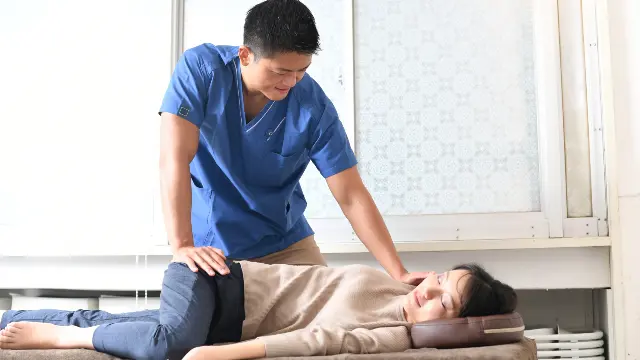
The three sections that follow are written specifically for you the patient with a specific condition and a specific life to return to. Generic recovery information is widely available and largely unhelpful for patients who need to know whether they can be back on the tennis court in four months, back in clinical scrubs in twelve weeks, or back on the golf course before the next season begins. The procedure-specific guidance here provides the clinical depth that those decisions require.
Knee Arthroscopy Rapid Rehabilitation For the Active Professional
For patients undergoing knee arthroscopy and specifically for those whose procedure involves meniscus repair rather than meniscectomy there is a clinical nuance in the rapid rehabilitation progression that is important to understand. Meniscus repair, which preserves the native meniscal tissue by suturing the tear rather than removing the damaged fragment, requires a more protected early weight-bearing protocol than meniscectomy because the repaired tissue must be protected during the biological healing process. The rapid rehabilitation orthopedic surgery approach adapts to this distinction: early mobilization is still initiated within hours of surgery, but the weight-bearing and impact-loading progression follows a modified timeline that respects the tissue biology of the repair.
The presence of early cartilage degradation alongside a meniscus repair a common finding in active patients in their 40s further modifies the progression. During the first 8 weeks post-surgery, impact loading is minimized to protect the articular surface, and the early rehabilitation focus shifts to non-impact cardiovascular conditioning, range-of-motion work, and progressive resistance training rather than running or jumping activities. This is not a limitation of the rapid rehabilitation approach it is the precision application of it.
From a practical standpoint, a patient like Richard can expect to work comfortably from home within 5 to 7 days post-surgery with appropriate positioning support and a well-managed pain protocol. The pre-flight clearance assessment at day 10 to 12 confirms readiness for the return flight to New York, and a specific seating and compression protocol for the long-haul journey is provided as part of the discharge package.
Return-to-running milestones for a knee arthroscopy patient with a meniscus repair are light jogging at 10 to 12 weeks post-surgery, progressing to recreational running at 14 to 16 weeks without cartilage complications. Return to recreational tennis is achievable at 16 to 18 weeks, with full competitive recreational play by 20 to 22 weeks. For a patient who has a family ski trip scheduled 4 to 5 months post-surgery, full ski capability is an achievable and documented outcome with consistent protocol adherence from surgery date through the return-to-sport phase.
Rotator Cuff Repair Rapid Rehabilitation For the Working Healthcare Professional
Paula's situation illustrates a rotator cuff rehabilitation profile that is clinically favorable in an important respect: a partial thickness tear has a significantly more advantageous trajectory under an accelerated rehabilitation protocol than a full-thickness rotator cuff repair. The partial tear repair involves less structural disruption to the tendon-to-bone interface and allows for a faster progression through the early passive and active-assisted range-of-motion phases, with a correspondingly earlier entry into the strengthening phase that governs return to occupational function.
The nursing-specific design of the Pyo Nasil rotator cuff rehabilitation protocol reflects an understanding of what clinical nursing actually requires of a shoulder. The exercises and progressions in the protocol are not generic shoulder rehabilitation movements they are specifically calibrated to train for the functional demands of patient transfer loading, sustained overhead reach, and the repetitive arm work that constitutes a clinical nursing shift. Generic shoulder exercises train range of motion and gross strength. The Pyo Nasil rotator cuff repair recovery protocol trains for the occupational realities that define what "full recovery" actually means for a nurse.
The sling-weaning protocol at Pyo Nasil contrasts directly with the standard US approach of 4 to 6 weeks of continuous sling use. The accelerated wean, conducted within supervised rehabilitation sessions, reduces the deconditioning of the surrounding musculature and prevents the rotational muscle imbalances that develop when the shoulder is held in a protective position for prolonged periods. The clinical literature on this point is clear: there is no evidence that prolonged sling use after partial rotator cuff repair produces superior structural outcomes, and there is meaningful evidence that it produces inferior functional ones.
Paula can expect to return to non-physical administrative nursing work at 6 to 8 weeks post-surgery a milestone that is fully compatible with the virtual follow-up support Pyo Nasil provides during the Houston-based rehabilitation phase. Light clinical patient contact resumes at 10 to 12 weeks, and full clinical nursing duties including patient transfers are achievable at 14 to 16 weeks for a partial tear repair with good protocol adherence.
Hip Arthroscopy Rapid Rehabilitation For the Active Retiree
Hip arthroscopy in the context of moderate osteoarthritic change Lawrence's clinical picture requires an honest conversation before any rehabilitation timeline discussion begins. Joint-preservation surgery through hip arthroscopy addresses the structural abnormalities that are driving hip pain and dysfunction, but it does not reverse established articular cartilage loss. The outcome goal in Lawrence's case is not to restore the hip to the cartilage quality of a 30-year-old joint it is to eliminate the impingement, address the labral pathology, and create the conditions in which the remaining joint structure functions optimally for many years of active use.
That honest framing established, the outcomes that hip arthroscopy followed by accelerated rehabilitation can deliver for a patient with Lawrence's profile are genuinely significant. The golf-specific rehabilitation design built into the Pyo Nasil hip program includes rotational movement training that progressively reloads the hip through the swing arc, stance stability work that addresses the ground-contact mechanics of the golf swing, and swing-pattern reintegration exercises that prepare the hip for the specific demands of 18 holes rather than for generic recreational walking alone.
Lawrence can expect to be crutch-free within 10 to 14 days of surgery ahead of the standard 3 to 4-week crutch protocol. The pre-flight assessment at day 12 to 14 confirms his readiness for the Miami return, with specific guidance for business class positioning that maintains hip precautions throughout the long-haul flight. A 9-hole golf round at 10 to 12 weeks post-surgery is a realistic first milestone. Full 18-hole golf capability at 16 to 20 weeks places Lawrence back on the course well within the year, which is precisely the outcome goal he came to Seoul to achieve.
Virtual Follow-Up and Managing Your Recovery After Returning to the USA
The question that sits beneath every other question American patients ask when they consider orthopedic surgery Seoul is this one: what happens when I get on the plane home? For most patients, the prospect of traveling 14 hours from Seoul back to their home city 10 to 14 days after surgery and then managing the remainder of their recovery without the clinical team that performed the procedure is the most emotionally significant concern in the entire decision process. This section transforms that concern into a structured, supported, and fully explained continuation of care.
For patients considering flying to Seoul for orthopedic surgery, the post-return support structure described here is as important as the surgical procedure itself in evaluating whether the decision makes clinical sense.
How Pyo Nasil's Virtual Follow-Up Program Works
The Pyo Nasil virtual follow-up program is not a wellness check-in service or an automated messaging system. It is a structured clinical protocol conducted by the same clinical team that managed the patient's Seoul rehabilitation phase, on a scheduled and documented timeline that runs from the moment the patient boards their return flight through to final outcome clearance 4 to 5 months post-surgery.
The virtual follow-up schedule is structured around four primary checkpoints. The first video consultation occurs at weeks 3 to 4 the first post-return assessment, conducted via video call, in which the clinical team assesses range of motion, swelling, pain levels, home exercise adherence, and any concerns that have emerged during the transition from Seoul to the home environment. The second assessment at week 6 focuses on range-of-motion measurement and early strength milestones, and is the session at which exercise progressions are typically introduced for the next phase of home-based rehabilitation. The third assessment at weeks 10 to 12 is the functional milestone review the session that determines whether the patient is on track for their target return-to-activity milestone or whether any protocol adjustments are needed. The fourth and final formal assessment at months 4 to 5 is the outcome consultation at which return-to-full-activity clearance is formally provided.
Each virtual session involves a structured video-based physical assessment protocol, a documented review of the home exercise program's execution and progression, a pain and swelling monitoring check against the expected benchmarks for that recovery phase, and a protocol adjustment if the patient's actual progress differs from the projected trajectory. These sessions are conducted by clinical members of the Pyo Nasil team not by administrative staff, not by an outsourced telehealth provider, and not by an automated system.
In between scheduled virtual sessions, patients have access to the Pyo Nasil 24/7 WhatsApp clinical line. This is not a message board that will be answered during business hours the following day it is a direct line to the clinical team that provides real-time guidance for between-session concerns, protocol questions, and any clinical development that warrants immediate attention. For patients who have invested in both the surgical procedure and the recovery process, the psychological security of knowing that clinical support is genuinely available around the clock is not a luxury it is an essential component of a successful post-return recovery experience.
At the time of discharge from Seoul, Pyo Nasil provides every patient with a comprehensive surgical and rehabilitation summary document written in English and formatted specifically for the patient's US-based physician. This document includes the operative findings, the surgical approach and techniques used, the rehabilitation protocol milestones, the current functional status at discharge, and the post-return care recommendations. It ensures that the patient's American doctor whether a primary care physician, a sports medicine physician, or a US-based physical therapist has the complete clinical picture needed to support the ongoing recovery intelligently.
For patients managing a full professional calendar like Richard, all virtual sessions are scheduled in advance and kept to a maximum of 30 to 45 minutes, with time-zone-appropriate scheduling across all US time zones. For Paula, who will evaluate the virtual follow-up protocol with a clinical professional's eye, the assessment framework is detailed enough to constitute a genuine clinical evaluation rather than a supportive check-in.
Finding Local Physical Therapy Support in Your Home City
The virtual follow-up program at Pyo Nasil is designed to function as the primary clinical oversight mechanism for the post-return rehabilitation phase. For patients who wish to supplement the remote Pyo Nasil follow-up with in-person physical therapy in their home city and many do the clinic provides the support and documentation needed to make that integration seamless.
At discharge, patients receive a detailed home exercise program and, where clinically appropriate, a referral letter for a US-based physical therapist who can provide in-person support during the middle and later phases of recovery. The referral letter is written to facilitate a specific and important clinical relationship: the US-based PT follows the existing Pyo Nasil protocol rather than introducing an entirely different program, and is encouraged to maintain communication with the Seoul clinical team when questions or protocol decisions arise.
New York, Los Angeles, Houston, and Miami all have robust sports medicine physical therapy ecosystems with significant experience in post-arthroscopic rehabilitation. Finding a qualified PT in these cities who is willing to work alongside an international surgical team is less unusual than it might seem the practice of international surgical care followed by local PT continuation is increasingly common in the sports medicine community, particularly for patients whose procedures were performed by high-volume, internationally recognized surgeons.
For managing your recovery after returning to the US, the key qualification to look for in a US PT provider for post-Seoul continuation care is straightforward: you are looking for a therapist who has experience with post-arthroscopic rehabilitation, who is willing to follow an established protocol rather than replacing it with their own from the beginning, and who is open to periodic communication with the overseas surgical team. For Lawrence's Miami-based medical care, the detailed medical liaison letter provided by Pyo Nasil at discharge ensures that his entire Miami medical team primary care physician, orthopaedic follow-up contact, and local PT receives the same complete clinical briefing and is aligned on the recovery plan from day one.
Warning Signs to Watch For After Returning Home
Serious complications after minimally invasive arthroscopic procedures are statistically rare, and the pre-flight clearance assessment that every Pyo Nasil patient undergoes before leaving Seoul is specifically designed to confirm that the patient is clinically stable and appropriate for long-distance travel. That said, every Pyo Nasil patient receives explicit education on the post-operative warning signs that require immediate attention upon return to the United States because knowing what to watch for is a fundamental part of the clinical safety protocol.
Warning signs that require immediate medical attention include: excessive or progressively increasing swelling at the surgical site after the expected initial reduction, fever above 38.5 degrees Celsius (101.3 degrees Fahrenheit), a significant increase in pain after an initial period of improvement, any discharge from the surgical wound beyond the expected small amount in the first few days, numbness or tingling in the limb beyond what was present at discharge from Seoul, and calf pain or swelling that is out of proportion to normal post-surgical discomfort, which represents a potential deep vein thrombosis indicator that must be evaluated urgently.
If any of these warning signs appear, the appropriate response is to contact the Pyo Nasil 24/7 clinical line immediately AND to attend a US emergency department or urgent care facility. These are complementary actions, not alternatives. The Pyo Nasil team can provide clinical context and guidance to the US emergency physician, and the US facility can perform the imaging and laboratory investigations that confirm or rule out the concerning finding. The two resources working in parallel represent the safest possible management of any post-return concern.
Why Choose Pyo Nasil Orthopedic Surgery Clinic for Rapid Rehabilitation Orthopedic Surgery
Every element of the clinical approach described in this guide the physiological precision of early mobilization, the personalized progression milestones, the surgeon-integrated rehabilitation oversight, the procedure-specific return-to-activity targets, and the structured virtual follow-up program exists because of a single clinical philosophy built over more than 20 years of orthopedic surgical practice. This section consolidates the differentiation into a clear answer to the question every American patient arrives at eventually: why Pyo Nasil, and why Seoul?
Understanding the orthopedic surgery cost in Seoul versus the United States and how those comparisons factor into the full value of the Pyo Nasil experience is an important part of the decision for many patients.
Dr. Pyo Nasil's Expertise and Experience
Dr. Pyo Nasil brings more than 20 years of clinical experience in orthopedic surgery and musculoskeletal care to every patient consultation, every surgical procedure, and every rehabilitation protocol he designs. With more than 200 orthopedic surgeries performed annually, his procedural volume places him among the highest-volume orthopedic surgeons in South Korea and surgical volume, in orthopedic care, is one of the most reliable and well-documented predictors of superior outcomes.
His credentials extend beyond individual surgical skill. As a former Chief of Orthopedics at multiple hospital institutions, Dr. Pyo Nasil has operated at the level of clinical leadership and quality oversight that shapes not just individual outcomes but institutional standards of care. That leadership background is directly reflected in the structure of the Pyo Nasil rehabilitation program, which was designed not as a supplementary service but as a fully integrated clinical system with the same standard of evidence and precision that governs the surgical protocols themselves.
Dr. Pyo Nasil's specialization areas include sports injuries, joint conditions, minimally invasive orthopedic surgery, spine disorders, and the rapid rehabilitation program that he personally designed and continues to oversee for every patient. His extensive experience treating American, European, and international patients gives him an understanding of the specific clinical, logistical, and emotional needs of patients who will return home before their rehabilitation is complete a context that shapes every aspect of the post-operative care model at the clinic. For a detailed review of Dr. Pyo Nasil's surgical credentials and case volume, the clinic's dedicated credentials page provides comprehensive documentation of his training, board certification, and clinical outcomes history.
The Pyo Nasil Rapid Rehabilitation Difference
What makes the Pyo Nasil rapid rehabilitation orthopedic surgery program genuinely different from standard US PT and from generic rehabilitation programs at other orthopedic clinics in Seoul is not any single feature. It is the integration of features that, together, produce an outcome differential that is impossible to replicate by improving any one component in isolation.
The program is surgeon-designed, meaning that the rehabilitation protocol reflects the direct surgical knowledge of the person who performed the procedure. It is surgery-integrated, meaning that the rehabilitation begins on the day of surgery and is continuously informed by the surgical team's direct knowledge of the operative findings. It is patient-individualized, meaning that the protocol is not a template applied to a procedure type but a tailored plan built for a specific person with specific goals. And it is outcome-tracked, meaning that functional milestones are measured, documented, and used to refine the protocol continuously based on real patient data rather than clinical assumption.
The 10 to 14-day Seoul rehabilitation window is not designed simply to fill the patient's time before they fly home. It is specifically structured to compress the most critical and highest-value rehabilitation work the early mobilization, the initial range-of-motion restoration, the neuromuscular reactivation, and the functional baseline establishment into the window of time when clinical oversight is most immediately available and most consequential. The Seoul phase equips every patient with the knowledge, the technique, the home exercise foundation, and the clinical confidence to continue their rehabilitation effectively and safely in their home city.
The clinic tracks functional outcome data for every patient treated through the rapid rehabilitation program. Those outcomes form the evidence base on which the program is continuously refined. This is not a static protocol it is a learning system, and the patients who come through the door today benefit from the outcomes data generated by every patient who came before them.
International Patient Support at Pyo Nasil
The practical experience of being an American patient in Seoul for orthopedic surgery and rehabilitation is shaped as much by the non-clinical support infrastructure as by the clinical program itself. Pyo Nasil's international patient support model is designed to eliminate every logistical friction point that could otherwise detract from the focus on recovery.
English-speaking clinical staff are available throughout the patient's entire Seoul stay not just at check-in, but in rehabilitation sessions, clinical assessments, and post-operative consultations. A dedicated international patient coordinator is assigned from the first inquiry through the final virtual follow-up, providing a single consistent point of contact for every non-clinical question and logistical need that arises during the Seoul phase and the post-return period.
Accommodation guidance for recovery-appropriate options near Seocho-gu is provided for every patient, with recommendations calibrated to mobility level, recovery stage, and travel companion preferences. Airport pickup and ground transportation support is arranged through the international patient coordination service. For patients traveling with a partner, spouse, or family member and many do specific accommodation guidance addresses the needs of traveling companions alongside the patient's own recovery requirements. The 24/7 WhatsApp clinical access that runs through the Seoul phase continues without interruption through the entire post-return virtual follow-up period.
The medical documentation service the comprehensive surgical and rehabilitation summary provided in English for the patient's US physician is not an optional add-on. It is a standard deliverable for every international patient at discharge, because the continuity of care that it enables is not a courtesy it is a clinical obligation. Medical tourism orthopedic surgery South Korea at its highest standard means that the care delivered in Seoul and the care continued in the United States function as a single integrated treatment pathway, and that integration begins with a complete and professionally formatted clinical record.
How to Begin Your Rapid Rehabilitation Journey at Pyo Nasil
The decision to pursue orthopedic surgery and rapid rehabilitation at Pyo Nasil is made in three simple steps, none of which require a financial commitment until you are completely satisfied with the information you have received and the plan that has been developed for your specific situation.
Step 1 Schedule Your Virtual Consultation

The virtual consultation at Pyo Nasil is provided at no charge and is conducted directly with Dr. Pyo Nasil or a senior member of the clinical team not exclusively with a patient coordinator or administrative representative. This distinction matters because the value of the consultation lies in the clinical content of the conversation, not in the logistics of scheduling it.
During the consultation, you will discuss your diagnosis, your imaging findings, your activity goals, your timeline, and whether rapid rehabilitation orthopedic surgery at Pyo Nasil is the right approach for your specific condition and circumstances. This is a genuine clinical conversation, not a sales presentation. If the Pyo Nasil program is not the right fit for your situation, the clinical team will tell you that directly rather than proceeding.
Booking a virtual consultation is straightforward: use the clinic's website contact form, send an email to the clinic address, or reach out via WhatsApp. Confirmation of receipt is provided within 12 hours, and the consultation itself is scheduled within 5 business days of initial contact. If you have existing MRI scans or other imaging, you are encouraged to submit them before the consultation for preliminary review this is particularly relevant for patients like Lawrence who want a candidacy assessment before committing to travel planning. For more information about what to expect, the virtual consultation with Pyo Nasil information page provides a detailed breakdown of the format and content of the initial assessment session.
Step 2 Your Personalized Treatment and Rehabilitation Plan
Following the virtual consultation, every patient receives a written treatment proposal that outlines the recommended surgical approach, the rehabilitation protocol milestones specific to their procedure and goals, the estimated duration of the Seoul stay, and a transparent itemized cost summary that accounts for the complete scope of treatment. This proposal is provided without any obligation to proceed the consultation and the preliminary plan are both delivered as part of the information service Pyo Nasil offers to every patient in active evaluation.
The timeline from virtual consultation to confirmed surgery date is typically 3 to 6 weeks, depending on the patient's schedule and travel arrangements. This is a flexible window that accommodates the realities of planning international travel alongside professional and family commitments. Transparent pricing and what is included in the full treatment package are detailed in the clinic's pricing documentation, which is provided alongside the written treatment proposal.
The treatment proposal is not a generic estimate. It is a document built around your specific diagnosis, your surgical complexity, and the specific milestones of your individualized rapid rehabilitation orthopedic surgery program and it is the foundation on which your entire Seoul experience will be planned.
Contact Information
📞 Phone:
💬 WhatsApp: Click Here
📧 Email: <info@/>
🌐 Website: /
📍 Location: Seocho-gu, Seoul, South Korea.
🕐 Hours: From Monday 9:00am - 6:00pm Tuesday 9:00am - 6:00pm Wednesday 9:00am - 6:00pm Thursday 9:00am - 6:00pm Friday 9:00am - 6:00pm Saturday Closed Sunday Closed
Frequently Asked Questions
What Does the Rapid Rehabilitation Program at Pyo Nasil Involve on a Day-by-Day Basis?
The rapid rehabilitation orthopedic surgery program at Pyo Nasil begins within 24 to 72 hours of surgery, with daily supervised sessions during the Seoul phase. Each day includes progressive mobilization exercises, range-of-motion work, pain monitoring, and milestone assessment. Activities advance based on measurable functional progress rather than calendar days, so each patient's day-by-day experience is individually calibrated. By day 10 to 14, the focus shifts to pre-flight assessment and preparing a structured home exercise program for the post-return phase.
How Does Pyo Nasil's Rehabilitation Protocol Compare to What I Would Receive in the United States?
The core difference between Pyo Nasil's orthopedic recovery Seoul protocol and standard US PT is when it begins, how intensive it is, and who oversees it. In the US, most patients wait 2 to 4 weeks post-surgery before PT begins. Pyo Nasil initiates rehabilitation within 24 to 72 hours. US PT typically provides 2 to 3 sessions per week; Pyo Nasil provides daily sessions during the Seoul phase. In rapid rehab vs standard PT terms, the Pyo Nasil model also integrates the operating surgeon directly into rehabilitation oversight a feature that is exceptionally rare in the standard US healthcare model.
What Are the Comparative Outcomes of Rapid Rehabilitation Versus Standard Rehabilitation?
Published clinical data supports the advantage of rapid rehabilitation recovery over standard immobilization-first approaches across all three primary procedure types. Knee arthroscopy patients on accelerated protocols achieve full range of motion 3 to 4 weeks earlier. Rotator cuff patients on accelerated PT demonstrate significantly superior active range of motion at 6 weeks and 3 months. Hip arthroscopy patients on accelerated protocols return to recreational sport at 4 to 6 months versus 5 to 7 months on standard rehabilitation. These are documented clinical outcome differences, not marketing estimates.
How Soon after Knee Surgery Can I Return to Running, Tennis, or Other Sports?
After knee arthroscopy at Pyo Nasil, light jogging is typically introduced at 10 to 12 weeks post-surgery. Return to recreational running is achievable at 14 to 16 weeks without cartilage complications. For court sports like tennis, recreational return is typically at 16 to 18 weeks, with full competitive recreational play by 20 to 22 weeks. The knee arthroscopy recovery time at Pyo Nasil is considerably shorter than standard US PT timelines because the accelerated protocol compresses the critical early recovery phases into the 10 to 14-day Seoul window. Return to sport after orthopedic surgery at this level of function by month 4 is realistic for most patients with Richard's profile.
How Soon after Shoulder Surgery Can I Return to Full Clinical Nursing Duties?
For a partial rotator cuff repair with a rotator cuff repair recovery protocol designed around clinical nursing demands, the Pyo Nasil milestones are: administrative nursing work at 6 to 8 weeks, light clinical patient contact at 10 to 12 weeks, and full clinical nursing duties including patient transfers at 14 to 16 weeks. These timelines are significantly faster than the 16 to 20-week standard PT return-to-work milestones because the accelerated protocol initiates rehabilitation within 48 hours of surgery rather than after a prolonged immobilization period. Adherence to the home exercise program during the post-return Houston phase is the primary determinant of achieving these targets.
How Soon after Hip Arthroscopy Can I Return to Golf?
For a hip arthroscopy rehabilitation timeline at Pyo Nasil, the golf-specific milestones are: 9-hole golf at 10 to 12 weeks, and full 18-hole golf without pain or limitation at 16 to 20 weeks. The Pyo Nasil hip program includes rotational movement training, stance stability work, and golf-specific swing-pattern reintegration exercises beginning at month 2 a feature that distinguishes this program from generic hip rehabilitation protocols that do not address sport-specific movement demands. Return to golf after orthopedic surgery at this timeline is consistent with published data for accelerated rehabilitation in patients with Lawrence's clinical profile.
What Virtual Follow-Up Support Does Pyo Nasil Provide after I Return to the United States?
Virtual follow-up after orthopedic surgery at Pyo Nasil is structured across four formal checkpoints: weeks 3 to 4, week 6, weeks 10 to 12, and months 4 to 5. Each video session includes a physical assessment, exercise progression review, pain and swelling monitoring, and protocol adjustment as needed. Between sessions, 24/7 WhatsApp access to the clinical team is available. The orthopedic recovery Seoul team also provides a comprehensive English-language surgical and rehabilitation summary for the patient's US physician at discharge, enabling seamless care continuation. This is a clinical follow-up program, not an automated wellness service.
What Are the Warning Signs of Complications I Should Watch For after Returning to the US?
Warning signs that require immediate attention as part of the post-surgical rehabilitation program safety protocol include: excessive or worsening swelling at the surgical site, fever above 38.5 degrees Celsius, a significant increase in pain after initial improvement, wound discharge, unexplained numbness or tingling, and calf pain or swelling disproportionate to normal post-surgical discomfort. If any of these appear, contact the Pyo Nasil 24/7 WhatsApp line immediately and attend a US emergency department concurrently. These are complementary responses, not alternatives.
Can I Work from Home During My Recovery Period after Returning from Seoul?
Yes. Most patients undergoing knee or hip arthroscopy can expect to work comfortably from home within 5 to 7 days post-surgery with appropriate positioning and pain management in place. The orthopedic recovery Seoul discharge package includes specific guidance for home workstation setup during the early recovery phase. For shoulder surgery patients, rapid rehabilitation recovery to desk-based work typically occurs within the same 5 to 7 day window, with arm positioning support provided as part of the home program. Patients with highly physical occupations clinical nursing, construction, or labor-intensive roles require the procedure-specific return-to-work milestones described in Section 5.
How Painful Is Recovery from Arthroscopic Orthopedic Surgery and How Is Pain Managed?
Pain after minimally invasive orthopedic surgery recovery is typically well-controlled with a multimodal pain management protocol that combines anti-inflammatory medication, local analgesia, cold therapy, and gentle early movement to reduce swelling-related pressure pain. Most patients describe their pain in the first 48 to 72 hours as moderate and well-managed with the prescribed protocol. By days 4 to 7, pain levels in most patients have reduced substantially. The Pyo Nasil pain management protocol is designed to minimize opioid reliance while achieving effective pain control supporting clearer cognition, better sleep, and more productive early rehabilitation engagement.
Conclusion
Rapid rehabilitation orthopedic surgery at Pyo Nasil Orthopedic Surgery Clinic in Seoul represents a fundamentally different approach to recovery one that is clinically grounded, individually designed, and built around your life's specific demands rather than a generic post-surgical timeline. Whether your goal is returning to the tennis court in four months, resuming full clinical nursing duties in twelve weeks, or completing a full round of golf before the year is out, the Pyo Nasil rapid rehabilitation program has been designed to meet those goals with precision and clinical accountability.
With more than 20 years of orthopedic surgical experience and a rehabilitation philosophy that integrates surgery and recovery as a single seamless process, Dr. Pyo Nasil has built a program that consistently outperforms standard US physical therapy timelines not because corners are cut, but because every element of the recovery process is optimized from the moment surgery ends. The evidence base is real, the milestones are measurable, and the clinical support extends from the operating theatre in Seocho-gu all the way back to your front door in New York, Houston, Miami, or wherever home is.
If you are ready to stop managing your orthopedic condition and start recovering from it properly, schedule your free virtual consultation with the Pyo Nasil team today. Contact us via email, WhatsApp, or the clinic website to begin and receive a preliminary review of your imaging and a personalized recovery timeline within five business days. The rapid rehabilitation orthopedic surgery program at Pyo Nasil is ready when you are.
About the Author
Dr. Pyo Nasil, Board-Certified Orthopedic Surgeon
Founder and Lead Surgeon, Pyo Nasil Orthopedic Surgery Clinic, Seocho-gu, Seoul, South Korea
Dr. Pyo Nasil brings more than 20 years of clinical experience in orthopedic surgery and musculoskeletal care to every patient he treats. With more than 200 orthopedic surgeries performed annually and a career history that includes service as Chief of Orthopedics at multiple hospital institutions, he is one of the most credentialed and experienced orthopedic surgeons treating international patients in Seoul today.
His clinical specializations include sports injuries, joint conditions, minimally invasive orthopedic surgery, spine disorders, and the rapid rehabilitation protocol that he personally designed and continues to develop and oversee for every patient at the clinic. Dr. Pyo Nasil developed the Pyo Nasil Rapid Rehabilitation Protocol specifically to address the needs of international patients who require a compressed, clinically rigorous recovery window before returning home and to deliver outcomes that standard US physical therapy timelines cannot match.
For consultations: | <info@/> | WhatsApp
More Articles
Continue reading our clinical guides.
Knee Surgery Cost Seoul 2026: USA Patient Price Guide
Discover the total knee surgery cost in Seoul for 2026. Compare Seoul orthopedic fees with USA prices and see why NYC patients choose Dr. Pyo Nasil.
Learn More

Travel Health Insurance Orthopedic Guide For Seoul 2026
Planning surgery in Seoul? Learn about travel health insurance orthopedic coverage, complication protection, and claim processes for US patients in 2026.
Learn More
Rapid Rehabilitation vs Traditional Physical Therapy Guide
Compare rapid rehabilitation vs traditional physical therapy outcomes. Learn how Dr. Pyo Nasil in Seoul helps patients recover faster and better.
Learn More