Personalized Medical Care & Dedicated International Patient Concierge


Medical Guide
Surgical Vs Non Surgical Sports Medicine Pyo Nasil Clinic
Deciding on surgical vs non surgical sports medicine? Dr. Pyo Nasil details conservative care and surgery options in Seoul for NYC athletes. Book now.
Schedule a ConsultationSurgical Vs Non Surgical Sports Medicine Making The Right Choice
For a high performing professional in New York City, a sports injury is not just a physical setback. It is a major disruption to a fast paced lifestyle. Whether it is a torn ACL from a weekend in Central Park or chronic shoulder pain from years of competitive tennis, the looming question is always one and the same. Do I really need surgery? Navigating the choice between surgical vs non surgical sports medicine is a critical step for any athlete.
Richard, like many patients today, feels caught between the fear of a long surgical recovery and the frustration of conservative treatments that do not seem to work. The pressure to choose correctly between surgical vs non surgical sports medicine can be overwhelming when your mobility and career performance are on the line. Making an informed decision requires a deep understanding of what each path entails and how modern medical advancements have changed the landscape of orthopedic care.
By the end of this guide, you will understand the clinical differences between conservative care and surgical intervention. You will learn which injuries truly require arthroscopy and which respond best to regenerative therapy. We will provide a detailed comparison regarding which is better arthroscopy or physical therapy for your specific condition. Furthermore, you will discover how Pyo Nasil Orthopedic Surgery Clinic in Seoul achieves rapid rehabilitation for international patients using state of the art techniques.
With over 20 years of experience and a personal volume of more than 200 surgeries annually, Dr. Pyo Nasil provides an expert perspective on balancing surgical precision with non invasive excellence. As a former Chief of Orthopedics at multiple hospitals, he understands the nuances of the surgical vs non surgical sports medicine debate. His expertise ensures that patients from New York City, Los Angeles, and Chicago receive world class care tailored to their active lives.
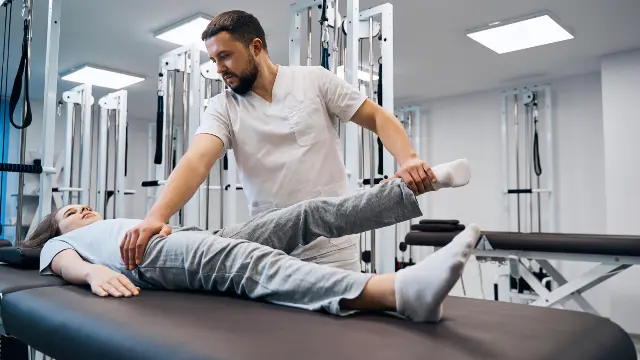
What Is Surgical Vs Non Surgical Sports Medicine?
Understanding the fundamental definitions within surgical vs non surgical sports medicine is the first step toward recovery. Sports medicine is a specialized branch of orthopedics that focuses on physical fitness and the treatment and prevention of injuries related to sports and exercise. The choice between a surgical vs non surgical sports medicine approach depends on the severity of the injury, the patient's lifestyle, and the specific goals for recovery.
| Decision Factor | Surgical Intervention | Non Surgical Conservative Care |
| Primary Clinical Goal | Direct structural repair and mechanical stabilization | Functional strength development and tissue healing stimulation |
| Tissue Healing Mechanism | Mechanical anchors, sutures, or structural grafts | Cellular migration, cellular proliferation, and scar remodeling |
| Typical Structural Indication | Complete ligament ruptures, displaced cartilage flaps, or mechanical joint locking | Partial tissue tears, chronic tendinopathies, and early stage joint degeneration |
| Anesthesia Requirement | General anesthesia, regional nerve blocks, or monitored sedation | Local topical numbing or no anesthesia needed |
| Initial Treatment Timeline | Fixed procedural date followed by immediate structured immobilization | Six to twelve week structured trial with progressive loading |
| Long Term Structural Integrity | High structural stability with localized surgical scar tissue formation | Functional restoration dependent on regular therapeutic maintenance |
| Secondary Joint Risks | Post traumatic stiffness, localized tissue adherence, or arthrofibrosis | Chronic microinstability if supportive muscle groups remain weak |
Defining Conservative Care And Non Surgical Paths
Conservative care represents the non operative side of sports medicine. This path prioritizes the body's natural healing abilities assisted by external support. Non surgical modalities include physical therapy, anti inflammatory medications, bracing, and activity modification. The primary goal of conservative care is to reduce pain and restore function without the risks associated with invasive procedures.
In a high tech medical environment like Seoul, non surgical sports injury treatment Korea often involves advanced diagnostic tools. Musculoskeletal imaging assessment using high resolution MRI diagnostics allows doctors to see the exact state of tendons and ligaments. This precision ensures that conservative care is not just a guessing game but a targeted medical strategy. For many patients, starting with a non surgical approach is the gold standard because it avoids the downtime of surgery.
The first line philosophy in surgical vs non surgical sports medicine dictates that we should always explore the least invasive option first. Unless there is a complete rupture or a mechanical block in the joint, conservative care can often yield excellent results.
When Surgery Becomes Necessary
There are moments when the surgical vs non surgical sports medicine debate reaches a clear conclusion in favor of surgery. Certain mechanical issues cannot be fixed through physical therapy alone. For example, if there are loose bodies of bone or cartilage floating within a joint, they must be removed surgically to prevent further damage. Similarly, complete ligament tears in high demand athletes often require reconstruction.
The evolution of minimally invasive orthopedic procedures has revolutionized this field. Arthroscopy, which involves using tiny cameras and instruments through small incisions, has made surgery much more accessible. Patients no longer face the massive scars and long hospital stays of the past. Instead, an orthopedic surgeon Seoul can repair complex injuries with minimal disruption to the surrounding tissue.
When evaluating surgical vs non surgical sports medicine, we must look at the structural integrity of the joint. If a rotator cuff tear is so severe that the muscle is retracting, surgical intervention is the only way to reattach it. In these cases, waiting too long with conservative care can actually lead to permanent muscle wasting and loss of function.
The Hybrid Approach Why Choice Is Not Always Binary
The most effective medical plans often combine both sides of the surgical vs non surgical sports medicine spectrum. This is known as the hybrid approach. Pre rehabilitation is a perfect example. This involves undergoing physical therapy before surgery to strengthen the muscles around the joint. Research shows that patients who engage in pre rehabilitation recover much faster after their operation.
At Pyo Nasil Orthopedic Surgery Clinic, integrated treatment plans are the norm. Even after a successful minimally invasive procedure, the recovery phase is rooted in conservative care principles. This synergy ensures that the structural fix of surgery is supported by the functional strength of physical therapy.
Conservative Care And Non Surgical Sports Injury Treatment In Korea
South Korea has become a global leader in non surgical sports injury treatment Korea due to its rapid adoption of regenerative technology. Patients from the United States are increasingly looking toward Seoul for options that go beyond standard physical therapy. When discussing surgical vs non surgical sports medicine, the non surgical innovations in Korea offer a compelling alternative to the traditional operating room.
Advanced Regenerative Therapies In Seoul
Regenerative therapy is a cornerstone of the non surgical sports injury treatment Korea offers. One of the most popular treatments is PRP injection, or Platelet Rich Plasma. This process involves drawing a patient's own blood, concentrating the platelets, and injecting them back into the injured area. These platelets release growth factors that accelerate the repair of tendon disorders and chronic joint pain.
Prolotherapy is another powerful tool in the conservative care arsenal. By injecting a mild irritant solution into weakened ligaments or tendons, doctors can trigger a localized healing response. This strengthens the joint from the inside out. In Seoul, these treatments are often combined with shockwave therapy, which uses acoustic pulses to break up scar tissue and stimulate blood flow. These technologies bridge the gap in the surgical vs non surgical sports medicine choice by offering high level healing without incisions.
Personalized Rehabilitation Programs
Personalized rehabilitation programs at our clinic go far beyond general gym exercises. We use musculoskeletal imaging assessment to map out the exact weaknesses in a patient's biomechanics. This allows for a customized rehabilitation program that targets specific muscle imbalances.
For a busy New Yorker like Richard, time is the most valuable resource. Standard physical therapy might take months of three sessions per week. However, non surgical sports injury treatment Korea focuses on rapid rehabilitation. By using intensive, daily protocols while the patient is in Seoul, we can achieve in two weeks what might take two months elsewhere. This intensity is one of the primary reasons international patients choose our clinic for their surgical vs non surgical sports medicine needs.
The Benefits Of Seeking Non Surgical Care Internationally
Accessing advanced medical care in Seoul provides several advantages. First, the technology used in a Seoul orthopedic clinic is often several years ahead of what is available in standard community clinics in the United States. The density of medical innovation in the Gangnam district creates a competitive environment that benefits the patient.
Second, the cost effectiveness is significant. Even when including the price of airfare and luxury accommodation in Seoul, the total cost for high end regenerative therapy and intensive rehab is often lower than the out of pocket costs for similar specialist care in New York City or San Francisco. This makes the surgical vs non surgical sports medicine decision much easier for those who want the best care without a prohibitive price tag.
Dr. Pyo Nasil often notes that non surgical sports injury treatment in Korea has evolved significantly. We are no longer just waiting and seeing if a patient gets better. We are actively stimulating tissue repair through every biological and mechanical means available. This proactive stance is what defines our approach to surgical vs non surgical sports medicine.
Which Is Better Arthroscopy Or Physical Therapy?
This is perhaps the most frequent question asked by patients in the surgical vs non surgical sports medicine debate. When looking at which is better arthroscopy or physical therapy, the answer depends on the specific injury and the patient's long term goals. Both options have distinct advantages that must be weighed carefully.
The Case For Arthroscopy
Arthroscopy is the gold standard for mechanical repairs within a joint. If you have a meniscus repair that needs stitches or a rotator cuff tear that requires anchors, physical therapy cannot physically reattach the tissue. In these scenarios, arthroscopy is clearly superior.
The benefits of this minimally invasive orthopedic procedure include smaller incisions, which lead to less post operative pain and a lower risk of infection. For high demand athletes, the structural stability provided by surgery is often the only way to return to 100 percent performance. The success rates for these mechanical repairs are incredibly high, especially when performed by a specialist with the experience of Dr. Pyo Nasil.
The Case For Physical Therapy
On the other hand, physical therapy is often the better choice for conditions that are functional rather than structural. Many cases of chronic joint pain or mild tendon disorders are caused by poor movement patterns. Surgery might fix a tear, but if the underlying movement issue is not addressed, the injury will simply return.
Choosing physical therapy allows a patient to avoid the inherent risks of anesthesia and the trauma of even a small surgery. For many patients in the surgical vs non surgical sports medicine discussion, the near zero risk profile of conservative care is the deciding factor. Long term functional gains from a dedicated physical rehabilitation program can often equal the results of surgery for conditions like mild knee osteoarthritis or partial thickness rotator cuff tears.
| Feature Description | Arthroscopy Clinical Pathway | Physical Therapy Clinical Pathway |
| Recovery Speed | Fast initial structural correction followed by an extended final functional recovery phase | Slow, steady, and incremental improvements across all functional metrics |
| Risk Profile | Low overall risk profile associated with minimally invasive surgical access points | Near zero risk profile with zero surgical site exposure |
| Primary Goal | Direct structural repair of damaged or torn articular elements | Comprehensive functional strength enhancement and kinetic chain optimization |
| Average Cost Profile | Higher initial economic investment due to specialized operating theater resources | Lower initial cost distributed across regular clinical sessions over time |
| Treatment Frequency | One primary surgical procedure followed by twice weekly guided rehabilitation sessions | Two to three dedicated clinical sessions per week combined with daily home exercises |
| Patient Commitment | High initial dependency during the early post operative immobilization phase | High long term personal discipline required to complete progressive physical loading |
| Diagnostic Reliance | High reliance on preoperative advanced magnetic resonance imaging and direct visual inspection | High reliance on ongoing dynamic physical assessments and functional movement testing |
Making The Decision Severity Vs Lifestyle
The final decision in the surgical vs non surgical sports medicine debate often comes down to the patient's lifestyle. A professional athlete or a high level executive who needs to be back on their feet quickly might opt for the definitive fix of surgery. A person with a more sedentary lifestyle or someone who prefers a gradual recovery might choose the conservative care path.
Age also plays a role. Younger patients with ligament ruptures are usually encouraged toward surgery to prevent long term joint instability. Older patients might find that physical therapy provides enough relief to maintain their quality of life without the need for an operation.
Recovery And Rapid Rehabilitation Timelines
Time is the most critical factor for patients like Richard. Whether they choose the surgical vs non surgical sports medicine path, they need to know when they can return to work in Manhattan or hit the gym in Los Angeles. Understanding the recovery phases is essential for planning your life around your treatment.

Post Surgical Recovery The First 90 Days
If you choose the surgical path, the first week is focused on pain management and protecting the repair. Immediate post operative care in Seoul involves specialized bracing and early motion exercises. Dr. Pyo Nasil utilizes rapid rehabilitation protocols that start almost immediately after the patient wakes up from anesthesia.
During days 1 to 7, the focus is on reducing swelling. From week 2 to week 6, we begin the process of restoring the full range of motion. By the 90 day mark, most patients who have undergone minimally invasive orthopedic procedures are back to their normal daily activities, though high impact sports may still be several months away. The advantage of the surgical vs non surgical sports medicine choice here is the clear, structured timeline that surgery provides.
Conservative Care Timeline The Marathon Approach
The non surgical timeline is often described as a marathon rather than a sprint. Because we are relying on the body to heal itself, progress can feel slower in the beginning. For the first 4 weeks, the goal of conservative care is to calm the inflammation and protect the injured tissue.
From months 1 to 3, the focus shifts to strengthening the supporting muscles. Unlike surgery, where there is a sudden structural change, conservative care involves a gradual improvement in function. We monitor this progress using musculoskeletal imaging assessment to ensure the tissue is actually healing. In the surgical vs non surgical sports medicine debate, the patient must be prepared for the consistency required by the non surgical path.
Rapid rehabilitation in Seoul can significantly compress this timeline. By using high frequency therapy sessions and regenerative boosters like PRP, we can help the body heal faster than it would with standard weekly physical therapy. This proactive approach to conservative care makes it a much more competitive option for those deciding on surgical vs non surgical sports medicine.
Surgical Vs Non Surgical Sports Medicine Comparing Long Term Results
When we look beyond the first few months, the question of surgical vs non surgical sports medicine becomes about long term joint health. The goal is not just to get back to the office in NYC, but to ensure you can still be active in your 60s and 70s.
Outcomes For Knee And Shoulder Injuries
In the case of ACL reconstruction, the data shows that surgery is highly effective at preventing future meniscus tears and instability. For a young person in NYC who plays soccer or basketball, the surgical vs non surgical sports medicine choice usually leans toward reconstruction to protect the joint long term.
However, for rotator cuff tears in patients over the age of 40, the results are more nuanced. Studies have shown that for many chronic, degenerative tears, a high quality physical rehabilitation program can yield results that are identical to surgery after two years. This is where expert guidance from an orthopedic surgery specialist like Dr. Pyo Nasil becomes invaluable. He can help you understand if your specific tear is one that will heal with conservative care or one that will continue to worsen without surgery.
Quality Of Life And Return To Sports
The psychological impact of the surgical vs non surgical sports medicine choice is also significant. Some patients feel more confident in a joint that has been surgically repaired. Others feel more empowered by the strength they have built through physical therapy.
Dr. Pyo Nasil has observed over his 20 years of experience that the best long term results come from patients who are fully committed to their chosen path. If a patient chooses surgery but skips the rehab, the result will be poor. If a patient chooses conservative care but is inconsistent with their exercises, they will likely end up in the operating room anyway.
My goal is not just to fix the tear but to ensure the joint remains healthy 20 years from now. Sometimes that means surgery; often it means a superior conservative plan. This philosophy guides every consultation at our clinic. We want our patients to look back two decades from now and know they made the right choice in the surgical vs non surgical sports medicine debate.
Cost And Logistics From NYC To Seoul
For our international patients, the logistics of traveling for surgical vs non surgical sports medicine are a major consideration. Fortunately, Seoul is one of the most medical tourist friendly cities in the world, offering a level of efficiency that is hard to find in the United States.
Comparing Costs US Vs South Korea
In major American cities like New York or San Francisco, the cost of orthopedic surgery can be staggering. Even with good insurance, high deductibles and out of network fees for top tier surgeons can lead to tens of thousands of dollars in expenses. When you look at the surgical vs non surgical sports medicine cost comparison, South Korea offers a clear advantage.
Korean medical pricing is transparent and highly regulated. The cost for a minimally invasive orthopedic procedure at a top clinic in Seoul is often 30 to 50 percent lower than in the United States. This includes the use of the latest technology and care from world renowned specialists. For many patients, this cost difference more than covers the price of a business class flight and a stay in a five star hotel in Gangnam.
Logistics For The International Patient
Traveling for surgical vs non surgical sports medicine requires careful planning. For a non surgical path, we recommend a 10 to 14 day stay to complete an intensive rapid rehabilitation program. If surgery is required, a stay of 14 to 21 days is ideal to ensure the initial phase of post operative recovery is handled by our expert team.
The medical hub of Seoul is incredibly efficient. We can often schedule a consultation, imaging, and the start of treatment within a 48 hour window. This speed is a huge benefit for busy professionals who cannot afford to wait weeks for an appointment in the NYC medical system. Our clinic provides full support for international patients, including English speaking coordinators and assistance with local accommodations.
Why Choose Pyo Nasil Orthopedic Surgery Clinic For Sports Medicine
When it comes to the surgical vs non surgical sports medicine choice, the clinic you choose matters as much as the procedure itself. We believe that our unique blend of surgical expertise and regenerative innovation makes us the premier choice for athletes worldwide.
Dr. Pyo Nasil's Expertise And Experience
Dr. Pyo Nasil is not just a surgeon. He is a musculoskeletal care specialist with over 20 years of clinical experience. Having served as the Chief of Orthopedics at multiple major hospitals, he has seen the full spectrum of sports injuries. His annual volume of 200+ surgeries means that his surgical skills are at the highest possible level of proficiency.
However, his true value lies in his diagnostic ability. He understands the nuances of surgical vs non surgical sports medicine better than most because he has spent two decades seeing the long term results of both. He will never push a patient toward surgery if a non surgical musculoskeletal treatment will yield a better or equal result.
Personalized Non Surgical Musculoskeletal Treatments
Our unique selling proposition is that we specialize in knowing when NOT to operate. We offer a level of non surgical sports injury treatment Korea is famous for, using precision imaging to guide our regenerative therapies. Every patient receives a customized rehabilitation program that is monitored daily by our staff.
International Patient Support
We understand the anxiety of seeking medical care in a foreign country. That is why we provide a seamless experience for patients from the United States. From the moment you contact us, you will be assigned a dedicated coordinator who speaks fluent English. We provide digital follow ups once you return to NYC, ensuring that your recovery stays on track even after you leave Seoul.
How To Book Your Consultation
Taking the first step in your surgical vs non surgical sports medicine journey is easy. We have designed our process to be as friction free as possible for international patients.
Step One Virtual Diagnostic Review
You do not need to fly to Seoul just for a first opinion. You can submit your recent MRIs and medical records from the USA for a virtual review. Dr. Pyo Nasil will personally examine your case and provide an initial assessment of whether you are a candidate for conservative care or if surgery is recommended. This allows you to plan your trip with confidence.

Step Two Tailored Treatment Planning
Once you arrive in Seoul, you will undergo a comprehensive musculoskeletal imaging assessment. This final diagnostic check ensures that our plan is based on the most current data. We will then sit down with you to discuss the surgical vs non surgical sports medicine options available to you, providing a clear breakdown of the costs, timelines, and expected results.
Contact Information
📞 Phone:
💬 WhatsApp: Click Here
📧 Email: <info@/>
🌐 Website: /
📍 Location: Seocho-gu, Seoul, South Korea.
🕐 Hours: From Monday 9:00am - 6:00pm Tuesday 9:00am - 6:00pm Wednesday 9:00am - 6:00pm Thursday 9:00am - 6:00pm Friday 9:00am - 6:00pm Saturday Closed Sunday Closed
Conclusion
Choosing between surgical vs non surgical sports medicine is a deeply personal journey that requires expert diagnostic clarity. Whether you opt for the advanced conservative care available in Seoul or a minimally invasive orthopedic procedure performed by a world class surgeon, the ultimate goal is a pain free return to your active lifestyle. You do not have to live with chronic joint pain or the limitations of a sports injury.
Dr. Pyo Nasil’s 20 years of experience ensures that your treatment plan is based on clinical success, not just surgical preference. By integrating the latest in musculoskeletal imaging assessment, we provide a level of care that meets the high standards of our international patients from NYC, LA, and beyond. We are dedicated to helping you make the right choice in the surgical vs non surgical sports medicine landscape.
Final thoughts on surgical vs non surgical sports medicine emphasize that the best treatment is the one that is tailored to your unique biology and lifestyle. Don't let an injury sideline you any longer. Contact Pyo Nasil Orthopedic Surgery Clinic today for a comprehensive evaluation and take the first step toward your recovery. We look forward to welcoming you to Seoul and providing the expert care you deserve.
About the Author:
Dr. Pyo Nasil, Orthopedic Surgery Specialist
Dr. Pyo Nasil is the lead specialist at Pyo Nasil Orthopedic Surgery Clinic with over 20 years of experience in musculoskeletal care. He has performed more than 200 surgeries annually throughout his career and previously served as the Chief of Orthopedics at multiple prominent hospitals. He is a member of several international orthopedic associations and is a recognized expert in minimally invasive orthopedic procedures and rapid rehabilitation.
For consultations: | <info@/> | WhatsApp
More Articles
Continue reading our clinical guides.
Knee Surgery Cost Seoul 2026: USA Patient Price Guide
Discover the total knee surgery cost in Seoul for 2026. Compare Seoul orthopedic fees with USA prices and see why NYC patients choose Dr. Pyo Nasil.
Learn More

Travel Health Insurance Orthopedic Guide For Seoul 2026
Planning surgery in Seoul? Learn about travel health insurance orthopedic coverage, complication protection, and claim processes for US patients in 2026.
Learn More
Rapid Rehabilitation vs Traditional Physical Therapy Guide
Compare rapid rehabilitation vs traditional physical therapy outcomes. Learn how Dr. Pyo Nasil in Seoul helps patients recover faster and better.
Learn More