Personalized Medical Care & Dedicated International Patient Concierge

Medical Guide
Tendon Repair Specialist Seoul | Pyo Nasil 2026
Looking for a tendon repair specialist in Seoul? Pyo Nasil offers expert care, rapid recovery programs, and full cost transparency for US patients. Book now.
Schedule a ConsultationTendon Repair in Seoul: Fast Recovery at Pyo Nasil 2026
If you have been managing a tendon injury for months, cycling through cortisone injections, physical therapy sessions, and conflicting medical opinions, and you still cannot run, play tennis, or get through a full workday without pain, you are not out of options. For American patients who have hit a wall with their US-based care, working with a tendon repair specialist in Seoul has quietly become one of the most effective decisions an active adult can make, and Pyo Nasil Orthopedic Surgery Clinic is at the center of that shift.
The challenge for most US patients is not a lack of information. It is a lack of clear, trustworthy, and complete information about what tendon repair in Seoul actually involves, what it costs, how long it takes, and what happens after you fly home. Consider Richard, a 42-year-old financial analyst from New York who spent 18 months managing his tendon condition conservatively before discovering that a 10 to 14-day trip to Seoul could offer him what months of US treatment had not: a definitive solution, a rapid rehabilitation protocol, and a total cost that was a fraction of his out-of-pocket US estimate.
By the end of this guide, you will understand what tendon conditions Pyo Nasil Orthopedic Surgery Clinic treats and whether you are a candidate, the difference between surgical and non-surgical tendon care and how Pyo Nasil decides which is right for you, exactly what the rapid rehabilitation program involves and how it compares to US physical therapy, the full and transparent cost of tendon repair in Seoul versus New York, how to plan a 10 to 14-day medical trip from New York City to Seoul, and what virtual follow-up support you receive after returning to the United States.
With over 20 years of clinical experience in orthopedic surgery and musculoskeletal care and more than 6,000 consultations delivered at Pyo Nasil Orthopedic Surgery Clinic, Dr. Pyo Nasil provides international patients with the diagnostic precision and rehabilitation expertise that chronic tendon injuries demand. Established in Seocho-gu, Seoul in 2004, this Seoul orthopedic clinic has built its international reputation on a single, measurable standard: getting patients back to full activity in the shortest time that biology responsibly allows.
Why Choose a Tendon Repair Specialist in Seoul Over US Providers?
Before diving into the specifics of what Pyo Nasil offers, it is worth addressing the foundational question that every analytically minded US patient asks: why Seoul, and why now?
The United States has excellent orthopedic surgeons, but the US healthcare system creates structural barriers that frequently prevent patients from receiving timely, coordinated, and affordable tendon repair. These barriers include insurance-imposed delays for surgical authorization, fragmented care delivery where the surgeon and the physical therapist operate in entirely separate systems, out-of-pocket costs for patients with high-deductible plans that routinely exceed twenty thousand dollars, and rehabilitation protocols that are set by insurance coverage limits rather than by clinical best practices.
South Korea's healthcare system consistently ranks among the world's best. Newsweek's World's Best Specialized Hospitals rankings place South Korean institutions in the top positions for orthopedic care across the Asia-Pacific region, and independent global health efficiency analyses consistently rank South Korea in the top five globally for healthcare quality and efficiency. Lower surgical costs in Seoul are not a product of lower standards; they are a product of a government-regulated medical pricing structure that keeps costs accessible without compromising clinical quality or procedural safety.
For American patients seeking a tendon repair specialist in Seoul, the specific advantage is coordination. At Pyo Nasil Orthopedic Surgery Clinic, the surgeon, the diagnostic team, and the rehabilitation team operate as a single integrated clinical unit. The same clinical judgment that informs the surgical decision directly shapes the rehabilitation protocol from Day 1. This integration is structurally unavailable in the standard US model, where surgical and rehabilitation providers are almost always separate entities operating from separate records.
When you combine this clinical coordination advantage with orthopedic surgery Seoul pricing that can be fifty to seventy percent lower than comparable US out-of-pocket costs, the case for traveling to Seoul for sports injury treatment Seoul patients cannot resolve at home becomes not just logical but compelling.
Tendon Conditions Treated at Pyo Nasil Orthopedic Surgery Clinic
Section purpose aside, the first question any informed patient asks is straightforward: does this clinic actually treat my specific condition? Generic orthopedic practice overviews are one of the most common failures of competitor content in this space. The answer at Pyo Nasil Orthopedic Surgery Clinic is clinical and specific.
Achilles Tendon Injuries From Partial Tears to Complete Rupture
The Achilles tendon is the largest tendon in the human body and one of the most frequently injured in active adults over forty who run, play tennis, or participate in court sports. Clinically, Achilles tendon conditions fall into three meaningful categories: tendinopathy, which describes chronic degenerative change within the tendon without structural tear; partial tear, where tendon fibers are disrupted but structural continuity is preserved; and complete rupture, where the tendon has fully separated and requires definitive intervention.
The distinction between these three presentations matters enormously for treatment planning. Achilles tendon non-surgical care is clinically appropriate for tendinopathy and many partial tear presentations, particularly when imaging confirms preserved tendon architecture and the patient has not yet attempted a structured loading program. When structural failure is confirmed on MRI or ultrasound, when the tendon gap exceeds a threshold that conservative management cannot bridge, or when the patient has failed a full course of evidence-based conservative care, a tendon repair specialist Seoul-based clinician like Dr. Pyo Nasil will recommend surgical intervention.
What makes the Achilles particularly problematic for active adults over forty is the combination of degenerative change within the tendon tissue and the high mechanical demands of recreational sport. The tendon that served you well at thirty may be operating at reduced tissue quality by forty-two, meaning that a misstep on the tennis court or a sudden acceleration in a weekend run can convert a chronically stressed tendon into an acute surgical emergency. Pyo Nasil's diagnostic assessment, which integrates MRI review, musculoskeletal ultrasound, and a thorough physical examination, is designed to identify exactly where on that continuum your tendon sits and which treatment pathway gives you the best functional outcome.
Hamstring Tear Treatment in Seoul Surgical and Non-Surgical Approaches
Hamstring injuries are classified across three grades of severity that each carry a distinct treatment pathway. A Grade I hamstring tear involves microscopic fiber disruption with no significant loss of muscle-tendon continuity. Grade II represents a partial tear with measurable strength deficit and functional impairment. Grade III is a complete tear, frequently involving avulsion of the hamstring tendon from its proximal attachment at the ischial tuberosity, which typically requires surgical reattachment to restore full function.
Hamstring tear treatment Seoul at Pyo Nasil follows a condition-specific logic. Grade I and most Grade II injuries respond well to an accelerated non-surgical rehabilitation program that includes progressive tendon loading, neuromuscular retraining, and return-to-sport testing. Grade III injuries, particularly proximal hamstring avulsions, require minimally invasive tendon surgery to reattach the tendon and restore the mechanical integrity that conservative care alone cannot provide.
Recovery benchmarks for hamstring injuries at Pyo Nasil are specific and measurable. For non-surgical Grade II management, most patients achieve pain-free walking within seven to ten days and return to low-impact activity within six to eight weeks. Surgical Grade III repairs typically require ten to fourteen weeks before return to running is assessed and four to six months before full return to sport. Recreational athletes including runners, cyclists, and tennis players respond particularly well to Pyo Nasil's integrated approach because the rehabilitation program is designed from the outset around the specific movement demands of their sport, not around a generic functional recovery template.
The hamstring tear treatment Seoul at Pyo Nasil includes condition-specific return-to-sport testing that confirms muscular symmetry and tendon load tolerance before clearance is given, eliminating the guesswork that leads to reinjury.
Patellar, Quadriceps, and Shoulder Tendon Conditions
Patellar tendinopathy, commonly known as jumper's knee, is among the most persistent conditions treated at Pyo Nasil for active patients. The diagnosis is confirmed through ultrasound and clinical assessment, and treatment follows a conservative-first approach that includes extracorporeal shockwave therapy (ESWT), progressive tendon loading, and ultrasound-guided interventions before any surgical threshold is considered. Surgical intervention for patellar tendinopathy is indicated when imaging shows structural disruption and the patient has completed at least three to six months of structured conservative management without functional resolution.
Quadriceps tendon tears, most common in men over fifty who participate in recreational sport, represent a different clinical picture. Partial tears may respond to non-surgical management, but complete quadriceps ruptures require surgical repair to restore knee extension strength, and the surgical outcome is strongly time-dependent: delays beyond two to three weeks from the time of injury are associated with poorer tendon quality and more complex surgical repair. Pyo Nasil's diagnostic assessment on arrival provides a precise grading of quadriceps tendon integrity that guides a direct and unambiguous treatment recommendation.
Rotator cuff tendon conditions, which encompass a spectrum from supraspinatus tendinopathy through full-thickness rotator cuff tears, are managed at Pyo Nasil using the same diagnostic precision and minimally invasive approach applied to lower limb tendons. Shoulder tendon repair Seoul is available for patients with partial or complete rotator cuff tears who are appropriate candidates for arthroscopic repair, with the surgical approach tailored to the size, location, and tissue quality of the tear.
The table below summarizes the tendon conditions treated at Pyo Nasil with their corresponding approach and typical recovery windows.
| Condition | Grade / Severity | Recommended Approach | Typical Recovery Window |
|---|---|---|---|
| Achilles Tendinopathy | Chronic degenerative | Non-surgical (ESWT, PRP, loading) | 6 to 12 weeks |
| Achilles Partial Tear | Partial disruption | Non-surgical or surgical based on imaging | 8 to 16 weeks |
| Achilles Complete Rupture | Full structural failure | Surgical repair | 4 to 6 months |
| Hamstring Grade I | Microscopic fiber disruption | Non-surgical accelerated rehab | 3 to 6 weeks |
| Hamstring Grade II | Partial tear | Non-surgical with progressive loading | 6 to 10 weeks |
| Hamstring Grade III | Complete avulsion | Minimally invasive surgical repair | 4 to 6 months |
| Patellar Tendinopathy | Chronic degenerative | Non-surgical first; surgical if structural failure | 8 to 16 weeks |
| Quadriceps Tear | Partial or complete | Non-surgical or surgical based on grade | 8 weeks to 5 months |
| Rotator Cuff Tear | Partial or full thickness | Arthroscopic shoulder tendon repair Seoul | 3 to 6 months |
Non-Surgical Tendon Care at Pyo Nasil When Surgery Is Not the First Answer
One of the most important things to understand about Pyo Nasil Orthopedic Surgery Clinic is that it does not default to surgery. The clinic's philosophy is conservative-first, meaning that every patient is assessed for non-surgical candidacy before a surgical recommendation is made. This is not a marketing claim. It is a clinical standard that is reflected in the clinic's treatment data, with the majority of patients achieving excellent outcomes through advanced non-surgical methods without any surgical intervention.
Achilles Tendon Non-Surgical Care: Pyo Nasil's Conservative-First Protocol
Pyo Nasil's Achilles tendon non-surgical care program is one of the most comprehensive conservative treatment pathways available for international patients visiting Seoul. The specific therapies available include extracorporeal shockwave therapy (ESWT), which delivers focused acoustic energy to stimulate tendon tissue repair and is particularly effective for chronic tendinopathy and calcific deposits; platelet-rich plasma (PRP) injections, which concentrate the patient's own growth factors and deliver them directly into the affected tendon under ultrasound guidance to accelerate biological healing; ultrasound-guided dry needling, which mechanically disrupts degenerative tendon tissue to stimulate a reparative inflammatory response; and a progressive tendon loading program based on evidence that controlled mechanical load is the most potent stimulus for tendon adaptation and repair.
Clinical criteria for Achilles tendon non-surgical care candidacy at Pyo Nasil include preserved tendon continuity on imaging, absence of a gap that would preclude tendon function restoration, and the patient's activity demands and recovery expectations. For a 10 to 14-day Seoul visit, the non-surgical treatment course for an Achilles tendon patient typically includes two to three ESWT sessions, a single PRP injection if indicated, ultrasound-guided assessment of treatment response, and establishment of a structured home loading program that the patient continues on return to New York.
Non-surgical sports injury care at Pyo Nasil is grounded in the same evidence base that informs the surgical team's rapid rehabilitation protocol. The progressive loading program is calibrated to individual tendon tolerance, monitored with serial ultrasound, and advanced based on objective functional milestones rather than arbitrary time points.
When Conservative Treatment Has Run Its Course How Pyo Nasil Determines the Surgical Threshold
For patients like Richard who have been managing a tendon condition conservatively for twelve to eighteen months without resolution, the most valuable thing Pyo Nasil's assessment provides is a definitive clinical answer. The clinic uses objective criteria to determine when non-surgical management has been exhausted: failure of a structured loading program maintained for a minimum of three to six months, imaging evidence of structural failure that conservative care cannot reverse, and persistent functional limitation that prevents return to the patient's target activities despite full compliance with conservative protocols.
In practice, Dr. Pyo Nasil's diagnostic assessment on arrival functions as a comprehensive second opinion, combining a full review of the patient's existing imaging, a detailed physical examination, and updated in-clinic imaging where indicated. For US patients who have received conflicting assessments from their sports medicine physicians, this process provides a single, evidence-based clinical recommendation that eliminates ambiguity.
The table below summarizes the non-surgical and surgical treatment options available at Pyo Nasil with their respective clinical indications and timelines.
| Treatment Option | Best For | Timeline | Available at Pyo Nasil |
|---|---|---|---|
| Shockwave Therapy (ESWT) | Chronic tendinopathy, partial tears | 4 to 6-week course | Yes |
| PRP Injection | Partial tears, tendinopathy | Single session plus recovery period | Yes |
| Ultrasound-Guided Dry Needling | Chronic tendinopathy | 2 to 4 sessions | Yes |
| Progressive Loading Rehabilitation | All tendon conditions | Ongoing structured program | Yes |
| Arthroscopic Tendon Repair | Full or large partial tears | Single surgical session | Yes |
| Open Tendon Repair | Complete rupture, failed arthroscopic | Single surgical session | Yes |
Tendon Repair Surgery at Pyo Nasil What the Procedure Involves
When surgery is the clinically indicated pathway, understanding exactly what happens is not optional for a research-driven patient. Vague surgical descriptions from competitor content leave patients with more questions than answers. This section provides the procedural transparency that allows you to make an informed decision. For background on the safety of orthopedic surgery in Seoul, you can review independently produced guides on what Americans need to know before traveling for orthopedic care.
Arthroscopic vs Open Tendon Repair How Pyo Nasil Chooses the Right Approach
The clinical decision between arthroscopic tendon repair and open surgical repair is determined by four key variables: the anatomical location of the tendon injury, the size and pattern of the tear, the quality of the remaining tendon tissue, and the patient's activity demands and recovery timeline.
Arthroscopic tendon repair uses small portals and a fiber-optic camera to access the surgical site, allowing the surgeon to visualize and repair the tendon with minimal disruption to surrounding soft tissue. The advantages of this approach are well established in the evidence base: smaller incisions, lower infection risk, reduced post-operative pain, faster return to weight-bearing for lower limb procedures, and direct compatibility with the rapid rehabilitation protocol that begins mobilization within hours of surgery.
Minimally invasive tendon surgery at Pyo Nasil also includes endoscopic approaches for specific tendon presentations, particularly for Achilles tendon conditions where percutaneous or endoscopic repair techniques can achieve equivalent structural outcomes to open repair while dramatically reducing the risk of wound complications that remain a notable concern with traditional open Achilles surgery.
Cases where open repair is the more appropriate choice include complete quadriceps tendon ruptures with significant proximal tendon retraction, proximal hamstring avulsions with substantial gap and long injury chronicity, and cases where arthroscopic findings reveal tissue quality insufficient to support arthroscopic anchor fixation. Dr. Pyo Nasil's 20-plus years of minimally invasive orthopedic surgery experience inform a straightforward clinical principle: use the least invasive approach that achieves the required structural outcome, and be honest when a more open approach is the right answer.
For shoulder tendon repair Seoul specifically, arthroscopic rotator cuff repair is the standard of care for most partial and full-thickness tears, with open or mini-open approaches reserved for massive tears or cases requiring tendon transfer.
Step-by-Step: What Happens on Surgery Day at Pyo Nasil Orthopedic Surgery Clinic
Understanding the surgery day sequence removes the anxiety of the unknown and allows international patients to plan their 14-day Seoul stay with precision.
Pre-operative protocol begins with arrival at the clinic approximately 90 minutes before the scheduled procedure. The clinical team conducts a final review of the patient's imaging, confirms the surgical plan, and completes the anesthesia consultation. For arthroscopic tendon repair, regional anesthesia is typically used for lower limb procedures, providing excellent pain control with a faster recovery profile than general anesthesia. General anesthesia is used for procedures where regional block coverage is incomplete or for patient preference in shoulder cases.
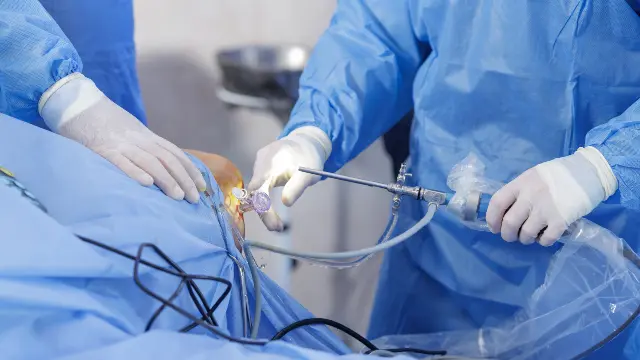
Intraoperative process for arthroscopic tendon repair begins with port placement: typically two to three small incisions of less than one centimeter each through which the arthroscopic camera and instruments are introduced. The surgeon visualizes the tendon directly, assesses the full extent of the tear, debrides any degenerative tissue, and performs the repair using suture anchors or equivalent fixation appropriate to the tendon and tissue quality. Procedure duration varies by tendon: Achilles endoscopic or arthroscopic-assisted repairs typically take 45 to 75 minutes; proximal hamstring repair runs 60 to 90 minutes; patellar tendon repair is completed in 30 to 50 minutes; and rotator cuff arthroscopic repair ranges from 60 to 120 minutes depending on tear size and pattern.
Immediately post-operatively, the patient is transferred to the recovery room where pain management is initiated, vital signs are monitored, and the clinical team assesses neurovascular status. For the rapid rehabilitation protocol, the first mobilization under therapist supervision typically occurs within hours of the conclusion of the procedure. For Richard as an international patient, the first 24 hours post-surgery are spent at accommodation within easy reach of the clinic, with direct access to the clinical team by phone and WhatsApp.
The surgery day timeline at Pyo Nasil follows a structured sequence: arrival and pre-operative assessment at 7:00 am, anesthesia at 8:30 am, surgery beginning at 9:00 am, transition to the recovery room by approximately 10:30 am, first mobilization under therapist supervision by 12:00 pm, discharge to recovery accommodation by 2:00 pm, and the first formal rehabilitation session on the morning of Day 1 post-surgery.
Rapid Recovery in Seoul: Pyo Nasil's Rehabilitation Protocol Explained
This is the section that most directly answers the question American patients most frequently ask and that competitors most consistently fail to answer with useful specificity: what does recovery actually look like, day by day and week by week, and how does it compare to what I would receive in New York?
What Makes Pyo Nasil's Rapid Rehabilitation Different from US Physical Therapy
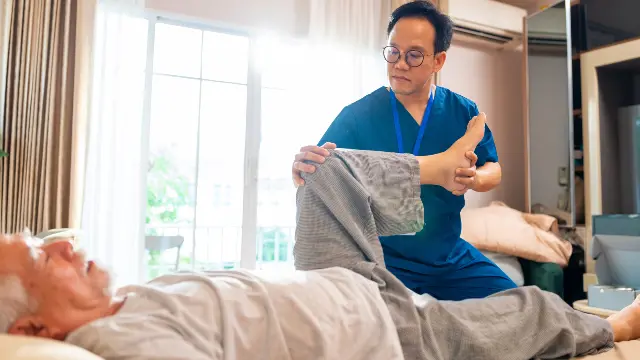
The foundational philosophical difference between Pyo Nasil's rapid recovery Seoul protocol and the standard US post-surgical rehabilitation model is the timing of the first controlled load applied to the healing tendon. At Pyo Nasil, mobilization begins within hours of surgery, not days. This is not an aggressive or risky departure from best practice; it is precisely aligned with the best available evidence on tendon healing biology.
Research published in peer-reviewed literature consistently demonstrates that early controlled mechanical loading applied to a healing tendon stimulates collagen fiber organization, accelerates tendon remodeling, and reduces the risk of excessive scar tissue formation that limits long-term tendon elasticity. The key word is controlled: the load is calibrated to the healing biology of the specific tendon, the repair technique used, and the individual patient's tissue quality. This is where the integration between the surgical team and the rehabilitation team at Pyo Nasil creates a clinical advantage that the standard US model cannot replicate.
In the standard US model, post-surgical rehabilitation typically begins three to seven days after surgery, is conducted at a separate physical therapy facility with providers who have limited direct access to surgical decision-making, and is paced according to insurance authorization schedules rather than the individual patient's biological healing trajectory. For post-surgical rehabilitation Seoul at Pyo Nasil, the rehabilitation team designs the protocol in direct consultation with Dr. Pyo Nasil from the day of surgery, advancing loading based on daily clinical assessment rather than arbitrary weekly time points.
For Richard, a New York professional who cannot take more than 10 to 14 days away from work and family, the rapid recovery Seoul protocol means that more clinically significant rehabilitation progress is achieved in Seoul before returning home than most US patients achieve in the first four to six weeks of standard post-surgical physical therapy.
Week-by-Week Rehabilitation Milestones After Tendon Repair at Pyo Nasil
The rehabilitation timeline below reflects the typical progression for arthroscopic tendon repair at Pyo Nasil. Individual progression is always calibrated to the patient's specific procedure, tissue quality, and daily clinical assessment. For a detailed week-by-week knee recovery guide specific to knee arthroscopy patients, comprehensive recovery resources are available that complement the milestones described here.
Days 1 to 2 focus on pain-free range of motion exercises in the position of comfort, initiation of protected weight-bearing for lower limb procedures using appropriate assistive devices, and establishment of the icing and compression protocol that manages post-operative swelling. The goal at this stage is not to stress the repair but to begin the neurological reactivation of the surrounding musculature and prevent the rapid muscle atrophy that immobilization accelerates.
Days 3 to 5 introduce progressive loading exercises with the therapist monitoring load tolerance in real time. Functional movement patterns appropriate to the specific tendon repair are introduced: weight shift and single-limb support for lower limb procedures, active-assisted shoulder elevation for rotator cuff repairs. The first formal milestone assessment by the rehabilitation team on Day 3 determines the rate of progression for the remainder of the Seoul stay.
Weeks 1 to 2 in Seoul include gait retraining for lower limb procedures, progressive rotator cuff activation and scapular stabilization for shoulder cases, proprioceptive training on unstable surfaces, and comprehensive patient education on the home exercise program the patient will continue independently on return to New York. By the end of Week 2, most patients undergoing arthroscopic tendon repair at Pyo Nasil have achieved the functional benchmarks that determine clearance to return home safely.
Weeks 3 to 4 after return to New York involve continuation of the home exercise program established in Seoul, a virtual check-in with the Pyo Nasil rehabilitation team, and, for most arthroscopic tendon repair procedures, clearance to return to desk work and sedentary professional activities. For Richard working from a New York office, this means return to full professional function within three to four weeks of surgery.
Months 2 to 3 mark the transition to low-impact aerobic conditioning: cycling and swimming are typically the first cardiovascular activities cleared, with running assessment initiated for lower limb cases when clinical testing confirms adequate tendon load tolerance.
Months 4 to 5 represent the return to full recreational sport for patients who follow the rapid rehabilitation protocol consistently. By this point, the majority of Pyo Nasil tendon repair patients who have maintained their home exercise program have returned to the recreational sports that originally brought them to seek treatment.
The table below presents the rehabilitation milestones in a format that allows Richard to plan his return to professional and personal life around specific achievable benchmarks.
| Timeline | Activity | Milestone |
|---|---|---|
| Day 1 to 2 | Gentle range of motion, protected weight-bearing | Pain-free passive movement achieved |
| Days 3 to 5 | Progressive loading, gait retraining | First unassisted steps for lower limb procedures |
| Week 1 to 2 | Functional movement, proprioception training | Discharge from Seoul clinically cleared |
| Week 3 to 4 | Home exercise program, return to desk work | Remote work fully feasible |
| Month 2 | Low-impact sport (cycling, swimming) | Cardiovascular fitness restoration begins |
| Month 3 to 4 | Running assessment, sport-specific loading | Return to recreational running |
| Month 4 to 5 | Full sport return (tennis, cycling, skiing) | Pre-injury activity level restored |
Virtual Follow-Up After You Return to New York How Pyo Nasil Stays With You
One of the most common concerns American patients raise before committing to tendon repair in Seoul is what happens to their clinical continuity after they board the return flight. The answer at Pyo Nasil is specific and structured: virtual follow-up is a scheduled, clinically supervised component of the treatment package, not an ad hoc arrangement.
The virtual follow-up schedule includes a Week 2 check-in conducted via video call approximately fourteen to sixteen days after surgery, coinciding with the patient's return to New York and first home exercise program milestones. The Month 1 video assessment reviews movement quality, home exercise program compliance, swelling status, and pain levels, and provides clearance guidance for the next activity milestone. The Month 3 functional assessment evaluates return-to-activity readiness and provides a definitive clinical update for the patient's New York-based physician.
Each check-in involves a structured clinical review: video assessment of movement quality, evaluation of the home exercise program, pain and swelling status reporting, and milestone-based clearance decisions. Between scheduled sessions, the Pyo Nasil clinical team is reachable via WhatsApp and email with a 12-hour response commitment for international patients. Virtual follow-up is included in the treatment package at no additional cost, and a guide on how virtual follow-up after orthopedic surgery works for US patients provides further detail on what each remote session involves.
Is Tendon Repair in Seoul Right for You? Planning Your Trip from New York City
Every competitor in this space provides some form of clinic information. None of them address the specific logistical reality of getting from New York City to Seoul, managing the pre-surgical timeline, and returning home safely after surgery. This section fills that gap completely.
Flying from New York City to Seoul for Tendon Repair What to Expect
Both JFK and Newark Liberty International Airport (EWR) offer non-stop flight service to Seoul Incheon International Airport (ICN). Korean Air and Asiana Airlines operate direct non-stop service from JFK to ICN with a flight time of approximately 15 hours and 45 minutes to 16 hours. This is a significant long-haul journey, and the pre-surgical and post-surgical flight protocols require specific planning.
US passport holders do not require a visa for travel to South Korea for stays under 90 days. No medical visa is needed. The administrative friction of entering South Korea as a medical patient is minimal compared to many other medical tourism destinations, making it a practically accessible choice for New York professionals who need to plan quickly.
Pyo Nasil recommends arriving in Seoul one to two days before your scheduled diagnostic assessment. This allows you to recover from jet lag, acclimate to the time difference (Seoul is UTC plus 9, meaning 13 to 14 hours ahead of Eastern Time), and present to your clinical appointment in a rested, alert state rather than compromised by travel fatigue. Business class or premium economy seating is recommended for the pre-surgical flight for comfort and to minimize venous compression during the extended journey. For the post-surgical return flight, Dr. Pyo Nasil provides individualized clinical clearance that includes specific guidance on compression garment use, seating selection, and in-flight mobilization protocols. For most arthroscopic tendon repair procedures, flying is clinically cleared from Day 10 to 14 with appropriate precautions in place. A dedicated guide on flying from New York to Seoul for tendon repair provides additional preparation detail for first-time medical travelers.
The total recommended stay of 10 to 14 days covers the full sequence from diagnostic assessment through surgery through the initial phase of rapid rehabilitation, providing clinical justification for safe return to New York before the final phase of rehabilitation is completed independently at home.
Your 14-Day Medical Trip Timeline From JFK to Full Seoul Recovery
The 14-day timeline below is the standard framework that Pyo Nasil uses for international tendon repair patients traveling from the United States. Individual timelines are adjusted based on the specific procedure, diagnostic findings, and rehabilitation progress.
Days 1 and 2 involve arrival in Seoul, hotel check-in near Seocho-gu in the Gangnam district (where the clinic is located), rest, and acclimatization. The Pyo Nasil international patient coordinator is available from arrival to assist with ground transportation, accommodation questions, and any pre-appointment concerns.
Day 3 is the comprehensive diagnostic assessment at Pyo Nasil Orthopedic Surgery Clinic. This includes a full review of all imaging the patient has brought from the United States, a detailed physical examination by Dr. Pyo Nasil, updated musculoskeletal ultrasound or MRI where indicated, and a surgical planning consultation that produces a definitive treatment recommendation and answers every question the patient has documented in advance.
Day 4 is dedicated to pre-operative preparation: the anesthesia consultation, final surgical plan confirmation, pre-operative fasting instructions, and any additional pre-operative testing required.
Day 5 is surgery day at Pyo Nasil Orthopedic Surgery Clinic, following the surgery day protocol described in detail in Section 3 above.
Days 6 and 7 mark the beginning of immediate post-operative rehabilitation, with daily physiotherapy sessions, pain management under the clinic's supervision, and the first mobilization milestones.
Days 8 to 12 consist of daily rapid rehabilitation sessions at Pyo Nasil, with progressive milestones assessed and advanced under clinical supervision each day. This is the period during which the majority of the clinically significant early rehabilitation work is completed.
Day 13 is the final clinical assessment: discharge documentation, a complete summary of the rehabilitation protocol for the patient's New York physician, confirmation of the virtual follow-up schedule, and provision of the return flight protocols.
Day 14 is the return flight to JFK or EWR with the compression protocol, seat selection guidance, and emergency contact information provided by the Pyo Nasil team.
Cost of Tendon Repair in Seoul vs New York Full Transparency
Cost transparency is the single most common failure point in competitor content on this topic. Vague references to affordability without itemized evidence do nothing for a financially analytical patient making a significant healthcare decision. This section provides the full, itemized picture.
What Is Included in Pyo Nasil's Tendon Repair Package Itemized Breakdown
The Pyo Nasil tendon repair package for international patients is designed to eliminate the financial uncertainty that is one of the most significant objections US patients face when considering overseas surgery. The package includes the pre-operative diagnostic assessment covering MRI review, physical examination, and surgical planning consultation; the surgical procedure fee for either arthroscopic or open repair based on your specific condition and imaging findings; the anesthesia fee; the operating facility fee; the rapid rehabilitation program covering the initial in-Seoul phase from Days 1 through 14; post-operative medications and compression garments; and the virtual follow-up program including the Week 2 check-in, Month 1 video assessment, and Month 3 functional assessment at no additional cost.
What is not included in the package and must be budgeted separately: return flights between New York and Seoul, accommodation in Seoul for the 14-night stay, travel insurance (strongly recommended and a practical necessity for any medical travel), meals and personal expenses during the Seoul stay.
All pricing is quoted in USD before any travel commitment is made. No additional fees are added upon arrival. The tendon surgery cost Seoul is confirmed in full before the patient commits to travel, eliminating the surprise billing dynamic that is a well-documented feature of the US healthcare system.
The table below provides a full cost comparison between Pyo Nasil's Seoul package and comparable out-of-pocket costs for a New York City patient without comprehensive insurance coverage for the procedure.
| Cost Item | Seoul (Pyo Nasil) | New York City (Estimated Out-of-Pocket) |
|---|---|---|
| Surgical procedure | Included in package | $15,000 to $22,000 |
| Anesthesia | Included in package | $3,000 to $5,000 |
| Diagnostic imaging | Included in package | $1,500 to $3,000 |
| Rehabilitation (initial phase) | Included in package | $2,000 to $4,000 |
| Virtual follow-up | Included in package | $500 to $1,500 |
| Return flights (business class, JFK to ICN) | $2,500 to $4,500 | Not applicable |
| Accommodation (14 nights, Seocho-gu) | $1,400 to $2,800 | Not applicable |
| Estimated all-in total | $12,000 to $18,000 | $22,000 to $35,000 and above |
Why Orthopedic Surgery Costs Less in Seoul And What It Means for Quality
The cost differential between Seoul and New York is structural, not qualitative. South Korea operates a government-regulated medical pricing framework that applies standardized fee schedules to surgical procedures, keeping costs within a range that the domestic market can access. This pricing structure was not designed for medical tourists; it was designed for the Korean population and it applies equally to international patients.
South Korea's healthcare system consistently ranks among the top five globally in independent efficiency analyses, and South Korean institutions hold top positions in regional and global orthopedic hospital rankings. The lower cost of orthopedic surgery Seoul does not reflect lower technology, less experienced surgeons, or inferior facilities. It reflects a different economic and regulatory structure that produces the same clinical outcome at a fraction of the price.
For Richard, who applies analytical rigor to investment decisions, the framework is recognizable: price differentials between equivalent-quality goods in different markets reflect market structure, not product quality. The same logic that explains why a premium hotel room costs half as much in Seoul as in Manhattan applies to surgical care.
US Health Savings Account (HSA) funds can typically be applied to qualified medical expenses including surgery performed overseas, though patients are advised to confirm eligibility with their HSA administrator before travel. For a full guide on using your HSA for surgery in Seoul and what documentation you need, dedicated resources are available. Wire transfer and major credit cards are accepted at Pyo Nasil Orthopedic Surgery Clinic. Financing inquiry options may also be available; contact the clinic directly for current arrangements. For a full cost comparison for US patients covering multiple orthopedic procedures, comprehensive cost analysis resources are available.
Why Choose Pyo Nasil Orthopedic Surgery Clinic for Tendon Repair
Dr. Pyo Nasil's Expertise and Experience in Tendon and Musculoskeletal Care
Dr. Pyo Nasil brings over 20 years of clinical experience in orthopedic surgery and musculoskeletal care to every patient consultation and surgical procedure. Established in 2004, Pyo Nasil Orthopedic Surgery Clinic in Seocho-gu, Seoul has delivered more than 6,000 consultations and performs surgical procedures across the full spectrum of tendon and joint conditions. Dr. Pyo Nasil previously served as the head of the Orthopedic Department at Namyang Hospital, a sister hospital of Kyung Hee Medical Center, and as the head of the Orthopedic Department at Osandang Hospital, demonstrating a clinical leadership background that spans both departmental governance and high-volume surgical practice.
Dr. Pyo Nasil's academic background includes a professorship at Seoul National University Hospital and Seoul National University College of Medicine, one of South Korea's most prestigious medical institutions. His specialization covers shoulder and elbow surgery, sports medicine, and the full spectrum of tendon conditions including Achilles, hamstring, patellar, quadriceps, and rotator cuff tendon injuries. Professional memberships include full membership in the Korean Orthopaedic Association, the Korean Knee Society, the Korean Arthroscopy Society, and the Korean Society of Spine Surgery, placing him within the recognized community of board-certified orthopedic surgeon Seoul practitioners at the highest professional level.
Clinical expertise in minimally invasive arthroscopic technique, developed across more than two decades of practice, translates directly into lower surgical complication rates and faster patient recovery. The surgical and rehabilitation phases at Pyo Nasil are designed as a single coordinated program from the outset, a model that is structurally unavailable in standard US care.
Rapid Rehabilitation as a Clinical Philosophy — Not a Marketing Claim
The rapid rehabilitation program at Pyo Nasil Orthopedic Surgery Clinic is grounded in the scientific evidence base on progressive tendon loading, early mobilization after surgical repair, and the well-documented harms of prolonged immobilization for musculoskeletal healing. A meta-analysis published in Scientific Reports comparing early functional rehabilitation to cast immobilization following Achilles tendon repair found that early rehabilitation was superior for patient satisfaction and time to return to work, a finding consistent with the broader literature on post-surgical loading protocols.
What distinguishes Pyo Nasil's approach from competitor claims of "fast recovery" is integration. The surgical technique is chosen with the rehabilitation protocol in mind: minimizing soft tissue disruption during surgery directly enables the earlier mobilization that produces faster recovery. The rehabilitation team does not receive the patient three to seven days post-surgery as a separate handover; they begin their work on surgery day as part of the same clinical team, with full knowledge of the intraoperative findings that inform every subsequent loading decision.
In practice, this means patients return to low-impact activity faster, experience less post-surgical muscle atrophy due to the early movement protocol, and return to full sport participation weeks ahead of the US standard timeline for comparable procedures. Post-surgical rehabilitation Seoul at Pyo Nasil is a clinical system, not a schedule.
International Patient Support for US Visitors
English-speaking patient coordination is available throughout every stage of the Pyo Nasil experience, from the first inquiry through the post-return virtual follow-up program. The surgeons, nursing team, and rehabilitation therapists communicate directly in English with international patients, eliminating the communication gaps that are a valid concern when seeking care in a non-English-speaking country.
A dedicated international patient coordinator is assigned from the first inquiry and remains the patient's primary contact through discharge and the virtual follow-up phase. Pre-arrival services include MRI scan review and remote candidacy assessment, a virtual consultation with Dr. Pyo Nasil, and accommodation coordination near Seocho-gu. In-Seoul services include airport meet-and-greet coordination, ground transportation to the clinic and accommodation, and a 24-hour emergency contact number for the duration of the Seoul stay. For international patients, communication is maintained via WhatsApp, email, and video call with a 12-hour response time commitment for routine inquiries and a 4-hour WhatsApp response commitment during Seoul business hours.
How to Book Your Tendon Repair Consultation at Pyo Nasil
Booking your consultation with Pyo Nasil Orthopedic Surgery Clinic requires three steps and no commitment beyond your time.
Step 1 Schedule Your Virtual Consultation (Free)
A virtual consultation with Dr. Pyo Nasil is available at no cost for all international patients. The consultation covers your injury history and symptom timeline, a review of your existing imaging and treatment records, a discussion of your surgical candidacy and the treatment options appropriate to your specific condition, rehabilitation expectations and the rapid recovery Seoul protocol, and a clear cost estimate before any travel decision is made.
Consultations are conducted via Zoom or an equivalent video platform and run approximately 30 to 45 minutes. To book, contact Pyo Nasil Orthopedic Surgery Clinic via email, WhatsApp, or the clinic website contact form. For Richard-type patients who have been researching their condition extensively: bring your existing MRI reports, imaging CDs, a list of all treatments you have tried, and a written list of questions. Dr. Pyo Nasil will address each one directly. For a detailed overview of what your virtual consultation involves and how to make the most of the session, patient preparation resources are available.
Step 2 Submit Your MRI Scans for Remote Assessment
US patients can submit existing MRI scans digitally before or alongside the virtual consultation. Pyo Nasil's clinical team reviews the imaging and provides a preliminary assessment of your surgical candidacy before any travel commitment is requested. This process directly eliminates the primary risk objection that prevents analytically minded patients from proceeding: the concern that you might fly to Seoul and be told you are not a candidate for the procedure.
Digital submission is available via secure clinic portal or encrypted email. Detailed submission instructions are provided after the initial inquiry. For patients whose US imaging was taken more than six months ago, updated imaging may be recommended, which can be arranged in Seoul on Day 3 of the 14-day protocol.
Contact Information
📞 Phone:
💬 WhatsApp: Click Here
📧 Email: <info@/>
🌐 Website: /
📍 Location: Seocho-gu, Seoul, South Korea.
🕐 Hours: From Monday 9:00am - 6:00pm Tuesday 9:00am - 6:00pm Wednesday 9:00am - 6:00pm Thursday 9:00am - 6:00pm Friday 9:00am - 6:00pm Saturday Closed Sunday Closed
Frequently Asked Questions
How Long Do I Need to Stay in Seoul After Tendon Repair Surgery Before I Can Fly Back to New York?
For most arthroscopic tendon repair procedures, a total stay of 10 to 14 days is sufficient to complete surgery and progress far enough through the rapid recovery Seoul protocol to return home safely. Dr. Pyo Nasil provides individualized flight clearance based on your specific procedure, recovery progress, and post-surgical assessment. Compression stockings and specific seating protocols are provided with every clearance. As a tendon repair specialist Seoul-based practice, Pyo Nasil has well-established protocols for safely transitioning international patients from in-clinic care to home recovery.
What Is Included in the Total Cost of Tendon Repair at Pyo Nasil Orthopedic Surgery Clinic?
The Pyo Nasil tendon repair package for international patients includes the pre-operative diagnostic assessment, the surgical procedure fee, anesthesia, the operating facility fee, the initial rapid rehabilitation program through the end of the Seoul stay, post-operative medications and compression garments, and the virtual follow-up schedule through Month 3. Flights, accommodation, travel insurance, and personal expenses are not included. All costs are confirmed in USD before travel. There are no additional fees added upon arrival at Pyo Nasil Orthopedic Surgery Clinic.
Is Orthopedic Surgery in South Korea as Safe as Surgery in a US Hospital?
South Korea consistently ranks among the world's top healthcare systems in global efficiency and quality analyses, with South Korean institutions holding top positions in the Newsweek World's Best Specialized Hospitals orthopedic rankings for the Asia-Pacific region. Pyo Nasil Orthopedic Surgery Clinic operates to international clinical standards with board-certified surgical staff, modern diagnostic technology, and established post-operative protocols. Orthopedic surgery Seoul is not a compromise on safety. It is a choice of a different high-quality system. The safety of orthopedic surgery in Seoul has been evaluated independently for American patients in dedicated patient guides.
How Does Pyo Nasil's Rapid Rehabilitation Program Compare to Physical Therapy in New York?
The fundamental difference is integration and timing. Pyo Nasil's rapid recovery Seoul protocol begins mobilization within hours of surgery, with the rehabilitation team operating as part of the same clinical unit as the surgical team. Standard New York post-surgical physical therapy typically begins three to seven days after surgery at a separate facility with different providers, paced according to insurance authorization rather than individual biological progress. Post-surgical rehabilitation Seoul at Pyo Nasil is calibrated to the specific findings of each individual's surgical procedure, producing measurable milestone progress that the standard US model does not match in the equivalent time period.
Can I Send My MRI Scans to Pyo Nasil Before I Travel to Confirm I Am a Candidate for Tendon Repair?
Yes. Submitting your existing MRI scans for remote assessment before any travel commitment is specifically encouraged by the Pyo Nasil clinical team. Digital submission via secure portal or encrypted email is available, with instructions provided after initial inquiry. The clinical team will provide a preliminary candidacy assessment based on your imaging, allowing you to make a fully informed decision about travel. This directly addresses the primary risk objection for international patients considering a tendon repair specialist Seoul visit.
What Are the Risks of Arthroscopic Tendon Repair Surgery?
All surgical procedures carry inherent risks. For arthroscopic tendon repair, the documented risks include infection, bleeding, nerve or vascular injury, failure of the repair requiring revision surgery, anesthetic complications, and post-operative stiffness or limited range of motion. The risk profile for minimally invasive tendon surgery is generally lower than for equivalent open procedures: smaller incisions reduce infection risk, less soft tissue disruption reduces bleeding risk, and the early mobilization protocol reduces the risk of post-surgical stiffness. Dr. Pyo Nasil discusses the specific risk profile for your procedure, your health history, and your anatomy in detail during the pre-operative consultation. Realistic risk assessment is a core component of the informed consent process at Pyo Nasil.
How Soon After Tendon Repair Can I Return to Running or Playing Tennis?
Tendon repair recovery time to full sport participation varies by procedure and individual biology. For arthroscopic Achilles or hamstring repair following Pyo Nasil's rapid rehabilitation protocol, most patients achieve clearance for return to recreational running between months 3 and 4, and clearance for tennis and other court sports between months 4 and 5. The rapid recovery Seoul protocol consistently produces return-to-sport timelines that are four to six weeks ahead of the US standard for comparable procedures. These timelines are based on clinical milestones including strength symmetry testing and tendon load tolerance assessment, not arbitrary calendar dates.
Does Pyo Nasil Provide Virtual Follow-Up Support After I Return to New York?
Yes. Virtual follow-up is a structured, scheduled component of the treatment package at Pyo Nasil Orthopedic Surgery Clinic, included at no additional cost. The scheduled sessions are a Week 2 video check-in post-return, a Month 1 functional video assessment, and a Month 3 sport-readiness assessment. Between sessions, the clinic team is reachable via WhatsApp and email with a 12-hour response commitment. Post-surgical rehabilitation Seoul does not end when you board the return flight; it continues remotely through the full recovery timeline.
Can I Use My US Health Savings Account (HSA) to Pay for Tendon Repair in Seoul?
In most cases, qualified medical expenses including surgery performed at overseas facilities can be paid using HSA funds, provided the expense meets IRS criteria for a qualified medical expense. Patients are strongly advised to confirm eligibility with their HSA administrator before committing to treatment. Pyo Nasil Orthopedic Surgery Clinic provides detailed invoicing and clinical documentation appropriate for HSA reimbursement claims. Tendon surgery cost Seoul payments are accepted via wire transfer and major credit cards. For full guidance on using your HSA for surgery in Seoul, independent patient resources are available.
Is Dr. Pyo Nasil Board-Certified and What Are His Specific Qualifications for Tendon Surgery?
Dr. Pyo Nasil is a fully credentialed orthopedic surgeon with over 20 years of clinical experience. He is a full member of the Korean Orthopaedic Association, the Korean Knee Society, the Korean Arthroscopy Society, and the Korean Society of Spine Surgery. He previously served as Professor at Seoul National University Hospital and Seoul National University College of Medicine, and as the former head of the Orthopedic Department at Namyang Hospital. He has authored and presented numerous peer-reviewed academic papers in orthopedic surgery. As a board-certified orthopedic surgeon Seoul-based specialist with specific expertise in sports injuries and tendon conditions, Dr. Pyo Nasil's qualifications for tendon repair are substantive and verifiable. As a tendon repair specialist Seoul patients seek for Achilles, hamstring, patellar, and rotator cuff conditions, his 20-plus-year record covers the full spectrum of tendon injury presentations.
What Is the Difference Between Achilles Tendon Non-Surgical Care and Surgical Repair at Pyo Nasil?
Achilles tendon non-surgical care at Pyo Nasil is appropriate for tendinopathy and partial tears where tendon structural continuity is preserved on imaging. The non-surgical pathway uses ESWT, PRP injections, ultrasound-guided dry needling, and progressive loading programs to stimulate biological tendon repair without operative intervention. Surgical repair is indicated when tendon structural integrity is compromised beyond what conservative care can restore, typically confirmed by a gap on ultrasound or MRI and failure of a structured loading program over three to six months. The choice between the two pathways is determined by Dr. Pyo Nasil's diagnostic assessment, which integrates imaging review and physical examination findings to produce a definitive clinical recommendation.
How Does Pyo Nasil Communicate With My Doctor in New York After My Surgery in Seoul?
Pyo Nasil Orthopedic Surgery Clinic provides a complete discharge package at the conclusion of the Seoul stay. This includes a surgical report documenting the intraoperative findings and repair technique, a detailed rehabilitation protocol for the patient's New York-based physical therapist, post-operative medication prescriptions, and the virtual follow-up schedule with contact information for the Pyo Nasil clinical team. For the patient's New York physician, this documentation provides the clinical continuity required to manage post-operative care locally with full knowledge of what was performed in Seoul. The international patient coordinator at Pyo Nasil Orthopedic Surgery Clinic facilitates any direct communication between the Seoul team and the New York provider upon request.
Conclusion
Tendon injuries affecting the Achilles, hamstring, patellar, quadriceps, or rotator cuff tendons are among the most frustrating conditions for active adults to manage, precisely because standard conservative care so frequently falls short of full resolution. Pyo Nasil Orthopedic Surgery Clinic in Seoul offers American patients something that is genuinely difficult to find in the US healthcare system: a definitive diagnostic assessment, a surgical team with 20-plus years of specialized orthopedic expertise, and a rapid rehabilitation protocol designed to return you to full activity in the shortest clinically appropriate time. With more than 6,000 consultations delivered, a dedicated international patient support program conducted entirely in English, and a transparent all-in pricing structure that has been confirmed in USD before any travel commitment, Dr. Pyo Nasil's Seoul orthopedic clinic is built to meet the standards that research-driven American patients demand rather than simply the standards that marketing materials claim.
If you are ready to stop managing your tendon injury and start resolving it, the first step is a free virtual consultation with Dr. Pyo Nasil, available to New York patients via video call with no commitment required. Submit your existing MRI scans for a remote candidacy assessment and receive a preliminary clinical evaluation before you book a single flight. Contact Pyo Nasil Orthopedic Surgery Clinic today via email or WhatsApp and take the first concrete step toward returning to the sport and the life that your injury has been keeping you from. Working with the right tendon repair specialist Seoul has to offer means arriving with a plan, not a gamble.
About the Author
Dr. Pyo Nasil, Orthopedic Surgeon
Dr. Pyo Nasil is the founder and chief orthopedic specialist at Pyo Nasil Orthopedic Surgery Clinic, established in Seocho-gu, Seoul in 2004. With over 20 years of clinical experience in orthopedic surgery and musculoskeletal care, Dr. Pyo Nasil has delivered more than 6,000 consultations and specializes in sports injuries, tendon repair, joint conditions, and minimally invasive orthopedic surgery with integrated rapid rehabilitation. He previously served as Professor at Seoul National University Hospital and Seoul National University College of Medicine, and as the former head of the Orthopedic Department at Namyang Hospital, a sister hospital of Kyung Hee Medical Center. Dr. Pyo Nasil is a full member of the Korean Orthopaedic Association, the Korean Knee Society, the Korean Arthroscopy Society, and the Korean Society of Spine Surgery. He has authored and presented numerous peer-reviewed academic papers in orthopedic surgery.
For consultations: | <info@/> | WhatsApp
More Articles
Continue reading our clinical guides.
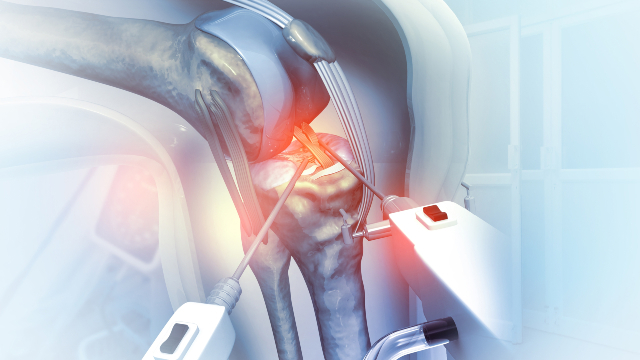
Knee Surgery Cost Seoul 2026: USA Patient Price Guide
Discover the total knee surgery cost in Seoul for 2026. Compare Seoul orthopedic fees with USA prices and see why NYC patients choose Dr. Pyo Nasil.
Learn More
Travel Health Insurance Orthopedic Guide For Seoul 2026
Planning surgery in Seoul? Learn about travel health insurance orthopedic coverage, complication protection, and claim processes for US patients in 2026.
Learn More
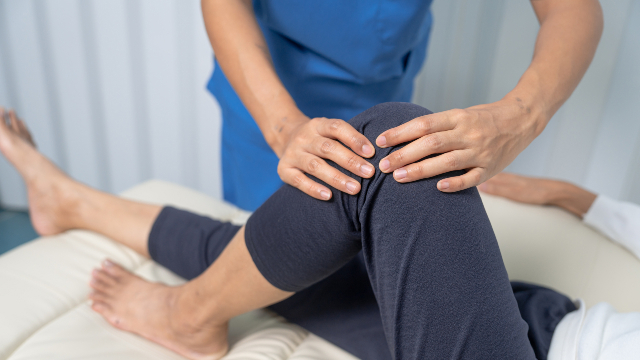
Rapid Rehabilitation vs Traditional Physical Therapy Guide
Compare rapid rehabilitation vs traditional physical therapy outcomes. Learn how Dr. Pyo Nasil in Seoul helps patients recover faster and better.
Learn More