Personalized Medical Care & Dedicated International Patient Concierge


Medical Guide
Sports Injury Prevention Tips For Adults Over 40
Master essential sports injury prevention tips for active adults over 40. Learn from elite athlete orthopedic surgeon Dr Pyo Nasil for a rapid return to sport.
Schedule a ConsultationThe Expert Guide To Sports Injury Prevention Tips For Active Adults Over 40
Staying active is vital but implementing proper sports injury prevention tips is the key to longevity for athletes over 40. For residents of active hubs like New York City or Los Angeles maintaining physical fitness often means balancing high intensity training with a body that is undergoing natural physiological shifts. In the current era of 2026 understanding these changes through a clinical lens allows recreational athletes to push their limits while minimizing the risk of downtime.
At the Pyo Nasil Orthopedic Surgery Clinic in Seoul we combine decades of clinical expertise with advanced orthopedic diagnostics to support international patients. Dr Pyo Nasil brings more than 20 years of experience and a track record of over 4000 successful procedures to the field of sports medicine. This guide provides a comprehensive look at how you can stay in the game and when to seek the help of a specialist to ensure a rapid return to sport.
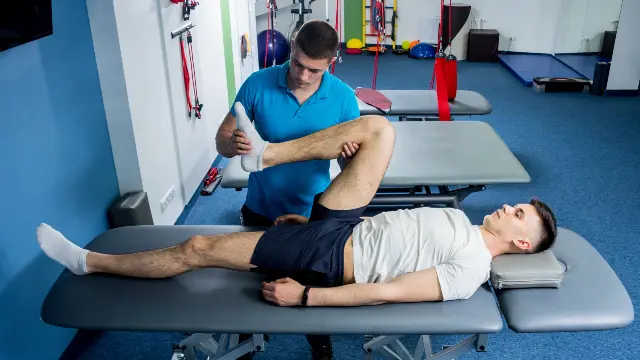
Essential Sports Injury Prevention Tips For The Modern Aging Athlete
To prevent sports injuries after age 40 athletes must prioritize dynamic warm ups and progressive overload while acknowledging changes in muscle mass and bone density. Effective prevention involves a combination of targeted resistance training and metabolic conditioning to support the musculoskeletal system. Consistency and listening to early warning signs of fatigue are the most critical components of a long term fitness strategy.
An injury prevention protocol is a structured set of physical and behavioral guidelines that reduces the risk of musculoskeletal trauma for active individuals. These protocols help athletes by identifying mechanical weaknesses and correcting them before an acute injury occurs. Implementing these sports injury prevention tips requires a shift from the high volume training of youth to a more calculated approach focused on quality and recovery.
Understanding Muscle And Bone Density Changes
As of May 2026 research indicates that sarcopenia becomes a primary concern for adults as they move past the fourth decade of life. Sarcopenia is a physiological condition that involves the gradual loss of skeletal muscle mass and strength which affects active adults as they age. This loss of muscle tissue can lead to joint instability because the muscles are no longer able to absorb the forces generated during activities like running or jumping. [Source: National Institute on Aging]
Bone density also undergoes a transition during this period. For athletes in Los Angeles or New York City who engage in high impact sports like marathon running or basketball the stress on the skeletal structure increases as natural mineralization slows. Dr Pyo Nasil emphasizes that strength training is not just about aesthetics but is a primary tool for maintaining bone health. By applying consistent tension to the bone through weight bearing exercises you stimulate the body to maintain its structural integrity.
Maintaining stability is another critical factor. As muscle mass decreases the neurological signals that control balance can become less efficient. This increase in reaction time can lead to falls or awkward landings. To counter this athletes should incorporate proprioception exercises. Proprioception is the unconscious perception of movement and spatial orientation that allows the body to maintain balance for athletes during complex movements.
The Role Of Collagen And Tendon Elasticity
Tendon health is a cornerstone of musculoskeletal care for the aging athlete. Tendons are the thick fibrous cords that connect muscle to bone and facilitate movement throughout the body. After age 40 the collagen fibers within these tendons become less organized and less elastic. This change makes them more susceptible to tendon injuries such as Achilles tendonitis or rotator cuff tears which are common in the active population of NYC.
Hydration and nutrition play a significant role in preserving this elasticity. Collagen synthesis requires specific amino acids and vitamin C but it also requires mechanical loading to signal the body to repair the tissue. Overuse without sufficient recovery can lead to micro tears that do not heal properly. Dr Pyo Nasil often observes that patients who ignore minor stiffness in the morning are the ones who eventually suffer a complete rupture.
To maintain healthy tendons athletes should focus on eccentric loading exercises. Eccentric loading is a type of muscle contraction where the muscle lengthens under tension which helps to strengthen tendons for recreational players. For example a slow and controlled heel drop is an excellent way to build resilience in the Achilles tendon. This prevents the sudden catastrophic failures often seen in weekend warriors.
Dynamic Versus Static Stretching The 40 Plus Protocol
The traditional approach to stretching has changed significantly in recent years. Static stretching which involves holding a position for 30 to 60 seconds is no longer recommended before a workout. Instead athletes should focus on a dynamic warm up. A dynamic warm up is a series of controlled movements that mimic the activity to follow which prepares the joints and muscles for high performance. [Source: American College of Sports Medicine]
For a runner in Los Angeles a dynamic warm up might include leg swings and walking lunges. For a tennis player in New York City it might include arm circles and lateral shuffles. These movements increase blood flow and raise the core body temperature. This makes the soft tissues more pliable and less likely to snap under sudden stress.
Static stretching still has a place but it should be reserved for the cool down period. After the muscles are warm and the workout is finished holding stretches can help to maintain flexibility and range of motion. However the goal for the athlete over 40 should be functional mobility. Functional mobility is the ability to move a joint through its full range of motion under control which protects the musculoskeletal system during athletic maneuvers.
Common Sports Injuries For Active Adults After Age 40
Common sports injuries for adults over 40 often involve degenerative changes in the joints and soft tissues that result from years of repetitive use. These issues include meniscus tears in the knee and rotator cuff impingement in the shoulder as well as chronic lower back pain. Early identification of these conditions is essential for preventing long term disability and ensuring a rapid return to sport through appropriate clinical intervention.
Chronic pain management is a clinical approach to treating long term discomfort that helps patients maintain their quality of life and physical activity levels. Many injuries in the 40 plus demographic start as mild discomfort that is dismissed as normal aging. By understanding the specific mechanical failures that occur in the knee and shoulder athletes can take proactive steps toward recovery.
Knee Injuries Meniscus Tears And ACL Strain
The knee is perhaps the most vulnerable joint for the aging athlete. A meniscus tear is a common knee injury that involves a rupture in the thin cartilage between the shinbone and thighbone which provides stability for recreational athletes. Unlike acute tears in younger patients tears in the 40 plus population are often degenerative. They happen gradually as the cartilage becomes thinner and more brittle over time.
For athletes in NYC participating in soccer or basketball leagues a sudden twist can lead to a symptomatic tear. Symptoms include a catching or locking sensation in the joint along with swelling. While some tears require surgical repair many can be managed with a personalized non surgical treatment plan. This typically involves targeted physical therapy to strengthen the quadriceps and hamstrings which takes the pressure off the internal structures of the knee.
ACL injuries are also a concern although they are less frequent than in collegiate athletes. However a strain or partial tear can still significantly impact mobility. Dr Pyo Nasil utilizes advanced orthopedic diagnostics to differentiate between simple inflammation and structural damage. This ensures that the treatment path is accurate from the very beginning.
Shoulder Disorders Rotator Cuff Tears And Impingement
Shoulder pain is a frequent complaint among golf and tennis enthusiasts in Los Angeles. The rotator cuff is a group of muscles and tendons that surround the shoulder joint and keep the head of the upper arm bone firmly in the socket. Over time the space through which these tendons pass can become narrow leading to impingement.
Rotator cuff impingement is a condition where the shoulder blade puts pressure on the underlying soft tissues when the arm is lifted which causes pain for athletes during overhead movements. If left untreated this constant friction can lead to a full thickness tear. Patients often report night pain or difficulty reaching behind their back.
At the Pyo Nasil Orthopedic Surgery Clinic we emphasize early intervention. Minimally invasive orthopedic procedures like shoulder arthroscopy can often clear out inflamed tissue or repair small tears before they progress. This allows for a much faster recovery than traditional open surgery and helps patients get back to the court or the course sooner.
Spine And Lower Back Health
Spinal health is the foundation of all athletic movement. For cyclists and runners the repetitive impact or the sustained posture of riding can lead to disc issues. A herniated disc is a spinal condition where the soft center of a vertebral disc pushes through a crack in the tougher exterior which can cause nerve irritation for active individuals.
Chronic pain management for the back involves more than just rest. It requires a deep understanding of core stability. The core is not just the abdominal muscles but the entire group of muscles that support the spine and pelvis. Dr Pyo Nasil focuses on biomechanical analysis to see if a patient is overcompensating for a weak core by straining their lower back.
| Injury Type | Common Cause | Early Warning Sign |
| Meniscus Tear | Pivoting or Twisting | Catching or locking in the knee |
| Rotator Cuff | Overuse or Overhead motion | Pain when sleeping on the shoulder |
| Achilles Tendonitis | Sudden increase in intensity | Stiffness in the morning |
| Herniated Disc | Poor lifting form or repetitive impact | Shooting pain down the leg |
Why Consultation With An Elite Athlete Orthopedic Surgeon Is Vital
Consulting with an elite athlete orthopedic surgeon is vital because they possess the specialized training required to treat complex musculoskeletal issues in high performance individuals. These specialists go beyond general medicine to offer precision diagnostics and advanced surgical techniques that are tailored to the needs of active adults. Working with an expert like Dr Pyo Nasil ensures that the underlying cause of pain is addressed rather than just the symptoms.
An elite athlete orthopedic surgeon is a medical specialist who focuses on the prevention and treatment of injuries related to sports and physical activity for competitive individuals. Their goal is always to restore full function so that the patient can return to their previous level of performance. This level of care is especially important for those over 40 who may have multiple coexisting issues like arthritis and soft tissue tears.
Advanced Orthopedic Diagnostics
The first step in any successful treatment plan is an accurate diagnosis. Modern medicine has seen a massive leap in imaging technology as of 2026. At our clinic in Seoul we use high resolution MRI and musculoskeletal ultrasound to see into the joint in real time. Advanced orthopedic diagnostics are medical tools and procedures that allow surgeons to visualize internal structures with extreme clarity for precise treatment planning.
General practitioners may miss the subtle signs of a degenerative tear or a stress fracture. Dr Pyo Nasil uses these diagnostics to create a map of the patient's injury. This allows for a much more targeted intervention. For example if a runner in NYC has hip pain the diagnostics can determine if it is a labral tear or simple bursitis. The treatment for these two conditions is vastly different.
The Benefit Of 20 Plus Years Clinical Experience
There is no substitute for experience in the operating room. Dr Pyo Nasil has spent over two decades refining his techniques and has served as Chief of Orthopedics at multiple major hospitals. This high volume of cases means he has seen almost every possible variation of sports injuries.
Clinical experience is the knowledge gained by a healthcare provider through years of direct patient care and surgical practice which improves outcomes for complex cases. When a surgeon performs 200 procedures a year they develop a level of muscle memory and intuition that is invaluable during surgery. This expertise allows for smaller incisions and less trauma to the surrounding tissue.
Precision in diagnosis is 90 percent of the cure, says Dr Pyo Nasil. Using advanced imaging we can see exactly where a tendon is failing before it ruptures. This proactive approach is what differentiates an elite athlete orthopedic surgeon from a generalist. It is about seeing the future of the joint and taking steps to protect it today.
Advanced Sports Injury Prevention Tips The Pyo Nasil Method
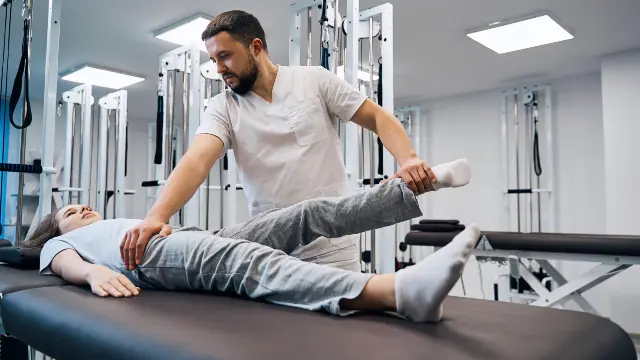
The Pyo Nasil Method involves a holistic approach to musculoskeletal care that combines state of the art diagnostics with personalized non surgical and surgical treatments. This method prioritizes the preservation of natural joint function and emphasizes rapid rehabilitation to minimize downtime. By focusing on biomechanics and individual patient goals the clinic provides a higher standard of care for international athletes.
A personalized treatment plan is a customized medical strategy developed to meet the unique health needs and recovery goals of a specific patient. No two athletes are the same even if they have the same injury. A 45 year old marathon runner in New York has different needs than a 50 year old golfer in Los Angeles. The Pyo Nasil Method accounts for these differences to ensure the best possible outcome.
Personalized Non Surgical Treatment Plans
Not every injury requires surgery. In fact many sports injuries can be successfully managed through non invasive means if caught early enough. Our clinic offers a range of options including Platelet Rich Plasma therapy and Extracorporeal Shockwave Therapy. These treatments utilize the body's own healing mechanisms to repair damaged tissue.
Physical therapy is another pillar of our non surgical approach. We do not just give patients a list of exercises. We create a structured program that targets their specific weaknesses. This might include gait retraining for runners or core stabilization for those with back pain. The goal is to correct the biomechanical flaws that led to the injury in the first place.
Customized recovery focus is an essential part of these plans. We monitor progress closely and adjust the protocol based on how the patient is responding. This level of attention is why many US athletes choose to travel to our clinic in Seoul for their musculoskeletal care. They know they will receive a level of care that is often unavailable in high volume clinics at home.
Biomechanical Analysis For Runners And Cyclists
Many injuries in active adults are the result of poor form or repetitive strain. Biomechanical analysis is the study of the mechanical laws relating to the movement or structure of living organisms to improve athletic performance. By using high speed cameras and pressure sensors we can analyze a runner's stride or a cyclist's pedal stroke.
For a runner in Los Angeles even a small imbalance in the hips can lead to knee or ankle pain over the course of a marathon. By identifying these issues we can recommend specific exercises or orthotics to correct them. This is one of the most effective sports injury prevention tips because it addresses the root cause of the problem.
This analysis is also helpful for those returning to sport after an injury. We want to make sure that the patient is not overcompensating or putting themselves at risk of a secondary injury. Dr Pyo Nasil believes that movement is medicine but only if that movement is performed correctly.
Achieving A Rapid Return To Sport After Injury
A rapid return to sport is achieved through a combination of minimally invasive surgical techniques and intensive early stage rehabilitation. This approach focuses on reducing the inflammatory response and restoring range of motion as quickly as possible. By utilizing the latest advancements in medical technology athletes can often return to their activities weeks or even months sooner than with traditional methods.
Rapid rehabilitation is an accelerated recovery program that uses evidence based protocols to restore strength and function to injured athletes. This does not mean cutting corners. Rather it means using every available tool to support the body's natural healing process. This includes everything from cryotherapy to advanced neuromuscular electrical stimulation.
Minimally Invasive Orthopedic Procedures
When surgery is necessary Dr Pyo Nasil prioritizes minimally invasive techniques. Minimally invasive surgery is a surgical approach that uses small incisions and specialized instruments to perform procedures with less damage to the body. This is typically done through arthroscopy where a tiny camera is inserted into the joint.
The benefits of this approach are numerous. There is less blood loss fewer complications and a significantly lower risk of infection. Perhaps most importantly for the athlete there is less scar tissue. Scar tissue can limit flexibility and lead to chronic pain. By keeping the incisions small we preserve the natural mechanics of the joint.
Surgery is the last resort, notes Dr Pyo Nasil. But when it is necessary our minimally invasive approach ensures the smallest footprint and the fastest path back to the field. This philosophy is at the heart of our practice and is why we are a leading choice for sports medicine Seoul for US athletes.
The Pyo Nasil Rapid Rehabilitation Program
Our rehabilitation program is designed to be intensive and proactive. We start the recovery process almost immediately after surgery. This prevents the muscles from atrophying and keeps the joints from becoming stiff. We use a phase based approach that gradually increases the load on the injured area.
This data driven approach allows us to be precise with our recommendations. We know exactly when it is safe for a runner to start jogging again or for a golfer to take their first swing. This level of certainty provides peace of mind for patients who are anxious to get back to their active lifestyle.
| Week | Focus | Permitted Activity |
| Week 1 | Pain control and swelling | Passive range of motion |
| Weeks 2 to 4 | Strengthening and stability | Low impact walking or swimming |
| Weeks 6 to 8 | Functional movement | Light jogging or cycling |
| Week 12 | Return to sport | Full activity with monitoring |
Sports Medicine Seoul For US Athletes The International Advantage
Sports medicine Seoul for US athletes offers a unique combination of high tech medical infrastructure and cost effective specialized care. South Korea is globally recognized for its innovation in healthcare and its surgeons are among the most experienced in the world. For athletes from New York City or Los Angeles the trip to Seoul provides access to elite care that might otherwise be out of reach.
Medical tourism is the practice of traveling to another country for medical treatment to access specialized care or lower costs. In the case of orthopedic surgery Seoul has become a primary hub. The city offers a density of expertise and technology that is matched by very few places on earth.
Why Travel To Seoul From NYC Or LA?
The primary driver for many US athletes is the quality of care. The medical training system in South Korea is extremely rigorous and surgeons like Dr Pyo Nasil are at the top of their field. Furthermore the clinics in Seoul are often equipped with the latest imaging and surgical technology before it becomes widely available in the United States.
Cost is another significant factor. Even when including the price of airfare and accommodation surgery in Seoul can be more affordable than the out of pocket costs for high end specialists in NYC or LA. This allows patients to receive premium care without the financial burden often associated with private healthcare in the US.
The efficiency of the Korean healthcare system is also a major draw. In many US cities it can take weeks or months to see a specialist or get an MRI. In Seoul these services are often available within days. For an athlete looking for a rapid return to sport this time difference is invaluable.
Seamless Care For International Patients
We understand that traveling for surgery can be stressful. That is why the Pyo Nasil Orthopedic Surgery Clinic provides comprehensive support for our international patients. This includes English speaking coordinators who can help with everything from scheduling to post operative follow ups.
We offer assistance with local logistics such as finding accommodation near the clinic in Seocho gu. We also provide detailed recovery plans that patients can take back to their local physical therapists in the US. This ensures a smooth transition and continued progress once the patient returns home.
Our clinic is designed to be a home away from home. We provide a professional and reassuring environment where patients feel heard and cared for. From the initial virtual consultation to the final check up we are with you every step of the way.
Why Choose Pyo Nasil Orthopedic Surgery Clinic
Choosing the right clinic is the most important decision you will make for your musculoskeletal health. The Pyo Nasil Orthopedic Surgery Clinic stands out because of our commitment to clinical excellence and our patient centered approach. We combine the expertise of a world class surgeon with the personalized care of a boutique clinic.
Dr Pyo Nasil is a specialist in orthopedic surgery with more than 20 years of experience. He has dedicated his career to the study of joint and spine disorders and has a deep understanding of the needs of active adults. His reputation for precision and success has made him a sought after expert for patients from all over the world.
Our clinic is located in the heart of Seoul and is equipped with the most advanced diagnostic and surgical tools available in 2026. We prioritize minimally invasive procedures and rapid rehabilitation to ensure that our patients can get back to their lives as quickly as possible. Whether you are dealing with chronic pain or an acute injury we have the expertise to help.
The Pyo Nasil difference lies in our attention to detail. We do not believe in a one size fits all approach. We take the time to understand your unique situation and develop a plan that works for you. Our goal is not just to fix the problem but to help you achieve your full potential as an athlete.
How To Book Your Consultation
Booking a consultation at the Pyo Nasil Orthopedic Surgery Clinic is a straightforward process designed to accommodate our international patients. We offer both virtual and in person options to ensure that you can get the help you need regardless of where you are located.
Step 1 Schedule Your Initial Assessment

The first step is to reach out to us via our website or WhatsApp. Our international patient coordinator will guide you through the process of submitting your medical records and any existing imaging like MRIs or X rays. This allows Dr Pyo Nasil to perform a preliminary review of your case.
We offer virtual consultations where you can discuss your symptoms and goals directly with Dr Pyo. This is an excellent opportunity to ask questions and learn more about our approach to sports injury prevention tips and treatment.
Step 2 Custom Treatment Planning
Once the initial assessment is complete we will provide you with a detailed treatment plan. This plan will outline the recommended procedures the expected recovery timeline and a clear breakdown of costs. We believe in transparency and want you to have all the information you need to make an informed decision.
If you decide to proceed with treatment in Seoul we will assist you with all the necessary arrangements. We want your journey to be as smooth and stress free as possible.
Contact Information
📞 Phone:
💬 WhatsApp: Click Here
📧 Email: <info@/>
🌐 Website: /
📍 Location: Seocho-gu, Seoul, South Korea.
🕐 Hours: From Monday 9:00am - 6:00pm Tuesday 9:00am - 6:00pm Wednesday 9:00am - 6:00pm Thursday 9:00am - 6:00pm Friday 9:00am - 6:00pm Saturday Closed Sunday Closed
Conclusion
Age 40 is not the finish line it is a transition to a more strategic way of staying active. By implementing the right sports injury prevention tips and seeking expert musculoskeletal care you can continue your fitness journey indefinitely. Whether you are navigating the concrete jungles of New York City or the hills of Los Angeles your physical health is your most valuable asset.
With over 20 years of experience and a dedication to rapid rehabilitation Dr Pyo Nasil ensures that getting older does not mean slowing down. Our clinic in Seoul provides the advanced diagnostics and minimally invasive treatments necessary to keep you at peak performance. We understand the unique challenges faced by the aging athlete and are committed to providing the highest level of care.
Don't let a minor ache become a career ending injury. Contact Pyo Nasil Orthopedic Surgery Clinic today to secure your musculoskeletal health and ensure a rapid return to sport. We are here to help you stay in the game for years to come.
About the Author:
Dr. Pyo Nasil, Orthopedic Surgery Specialist
Dr. Pyo Nasil is the lead specialist at Pyo Nasil Orthopedic Surgery Clinic with over 20 years of experience in musculoskeletal care. He has performed more than 200 surgeries annually throughout his career and previously served as the Chief of Orthopedics at multiple prominent hospitals. He is a member of several international orthopedic associations and is a recognized expert in minimally invasive orthopedic procedures and rapid rehabilitation.
For consultations: | <info@/> | WhatsApp
More Articles
Continue reading our clinical guides.
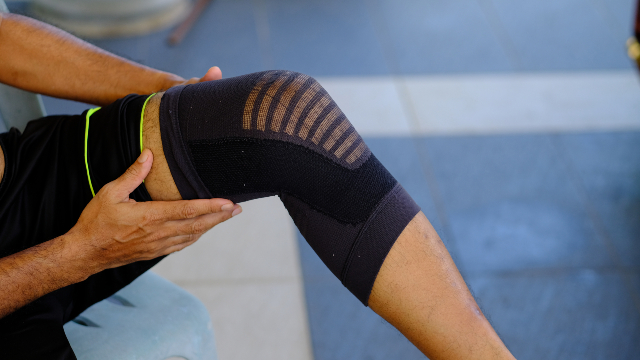
Cost Effective Knee Repair in Seoul Pyo Nasil Clinic
Discover transparent pricing for cost effective knee repair at Pyo Nasil Clinic. Compare non surgical treatment costs in Seoul vs the USA. Book today.
Learn More
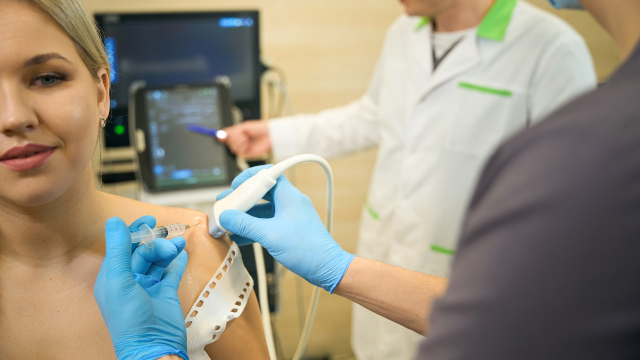
Laser vs Arthroscopic Surgery: Expert Joint Care Guide
Compare laser vs arthroscopic surgery for joint pain. Learn the pros, cons, and recovery facts from Dr. Pyo Nasil, an orthopedic specialist with 20 years of experience.
Learn More
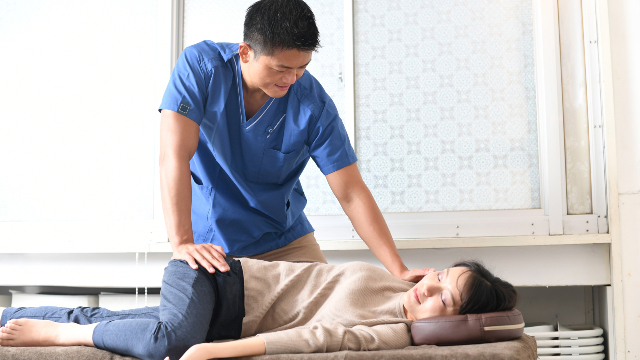
Rapid Rehabilitation vs Traditional Physical Therapy Guide
Compare rapid rehabilitation vs traditional physical therapy. See outcomes and expert advice from Dr. Pyo Nasil for your best recovery. Book today.
Learn More