Personalized Medical Care & Dedicated International Patient Concierge


Medical Guide
Laser vs Arthroscopic Surgery: Expert Joint Care Guide
Compare laser vs arthroscopic surgery for joint pain. Learn the pros, cons, and recovery facts from Dr. Pyo Nasil, an orthopedic specialist with 20 years of experience.
Schedule a ConsultationLaser vs Arthroscopic Surgery: Which Is Right for Your Joint?
When facing joint pain, many patients in New York City ask about the benefits of laser vs arthroscopic surgery to get back to their active lives. Deciding between these two advanced medical approaches is a critical step for anyone dealing with a sports injury or chronic musculoskeletal condition. Understanding the nuances of laser vs arthroscopic surgery helps you set realistic expectations for your recovery and long term joint health.
Richard is a high performing professional in New York City who enjoys running in Central Park and staying active. For someone like him, the prospect of joint pain is not just a physical limitation but a disruption to his lifestyle and career productivity. When conservative treatments such as physical therapy and medication no longer provide relief, the conversation naturally shifts toward surgical intervention.
The confusion between high tech laser marketing and the clinical gold standard of arthroscopy can leave patients feeling overwhelmed. You want a procedure that minimizes downtime and maximizes long term joint health without unnecessary risks. This guide clarifies the differences so you can make a confident decision with the help of an expert.
By the end of this guide, you will understand:
The technical reality of laser vs arthroscopic surgery and how each impacts tissue.
Why single incision vs multi portal arthroscopy matters for your specific recovery timeline.
A breakdown of various types of knee surgery available today for complex conditions.
How Dr. Pyo Nasil with his 20 years of experience in Seoul benefits patients from the United States.
As an orthopedic surgery specialist at Pyo Nasil Orthoedic Surgery Clinic who has performed over 200 surgeries annually for more than two decades, Dr. Pyo Nasil provides a balanced, medically backed comparison of these surgical technologies. His expertise in minimally invasive procedures ensures that every patient receives a customized plan tailored to their unique anatomy and goals. Choosing between laser vs arthroscopic surgery is simpler when you have the right data and expert guidance from a clinic specializing in rapid rehabilitation.
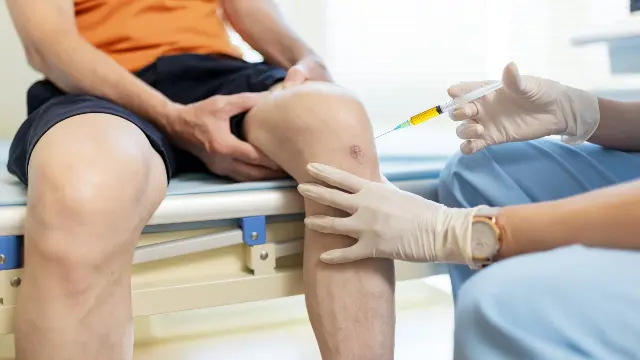
The Core Differences: Laser vs Arthroscopic Surgery Explained
Laser vs arthroscopic surgery represents two different philosophies within minimally invasive joint care. Arthroscopy uses a tiny camera and mechanical tools to repair joints, while laser assisted techniques use thermal energy to vaporize or shrink tissues. Both methods aim to reduce recovery time and minimize tissue trauma compared to traditional open surgery methods used in the past.
Modern joint surgery has moved away from large incisions that require weeks of healing. Today, surgeons focus on precision and preservation of the natural joint structure. In the debate of laser vs arthroscopic surgery, it is important to realize that these are often used together rather than as completely separate choices.
Arthroscopy is a surgical procedure that allows doctors to view and treat joint conditions for patients seeking minimally invasive care. It has been the standard of care for decades due to its reliability and the wide range of mechanical tools available to the surgeon. These tools can cut, shave, and suture damaged tissue with incredible accuracy.
Laser assisted surgery is a specialized technique that uses focused light energy to treat joint tissues for patients who need precise tissue debridement. The laser can reach areas that are sometimes difficult for mechanical shavers to navigate. However, the use of laser vs arthroscopic surgery depends heavily on the specific condition being treated, such as a meniscus tear or a ligament strain.
The Evolution of Arthroscopy vs Open Surgery
The history of orthopedic surgery is a journey from macro to micro. In the early 20th century, open surgery was the only option for joint repair. This required large incisions, significant blood loss, and long hospital stays. Patients often faced a high risk of infection and permanent stiffness in the joint.
The shift toward arthroscopy vs open surgery began with the development of fiber optic technology. This allowed surgeons to see inside the joint through a puncture the size of a buttonhole. As instruments became smaller and more durable, the need for open surgery decreased significantly.
Today, open surgery is reserved for the most complex cases, such as total joint replacements or severe fracture repairs. For most sports injuries and chronic wear, arthroscopy vs open surgery is no longer a debate as the minimally invasive approach is superior. Patients experience less pain and can often go home the same day as their procedure.
Defining Minimally Invasive Orthopedics
Minimally invasive surgery is a medical approach that uses small incisions and specialized tools to perform operations for patients who want faster recovery times. This approach is the foundation of the Pyo Nasil Orthopedic Surgery Clinic. By reducing the disruption to muscles and tendons, surgeons can preserve the natural stability of the joint.
Dr. Pyo Nasil explains the philosophy behind this approach clearly. The goal of any modern joint procedure is to preserve as much natural tissue as possible while addressing the root cause of pain. This perspective is vital when comparing laser vs arthroscopic surgery because both fall under the umbrella of minimally invasive care.
As of 2026, the use of advanced imaging and robotics has further refined these techniques. Surgeons now use high definition monitors that provide a better view than the naked eye. This level of detail allows for the precise application of laser vs arthroscopic surgery tools to ensure that only the damaged tissue is affected.
Making The Choice: Why Laser vs Arthroscopic Surgery Matters
Choosing between laser vs arthroscopic surgery impacts your surgical outcome, the level of post operative inflammation, and the speed of your return to work. While arthroscopy provides mechanical stability through sutures and anchors, lasers offer unmatched precision for smoothing rough cartilage surfaces. A successful surgeon like Dr. Pyo Nasil often integrates both tools to achieve the best results.
Patients often hear the word laser and think of futuristic precision. In orthopedics, the choice of laser vs arthroscopic surgery is about selecting the right tool for the specific job inside the joint. If a patient requires a structural repair, such as a torn ACL, traditional arthroscopic tools are necessary.
If the patient has inflammatory tissue or loose cartilage, a laser might be used during the arthroscopy to clean the area. This is why the term laser vs arthroscopic surgery is sometimes misleading. It is often about whether a laser tool is added to the arthroscopic procedure to enhance the cleaning process known as debridement.
Dr. Pyo Nasil utilizes his extensive experience to decide which tool will cause the least amount of thermal damage. While lasers are precise, they generate heat. Minimizing this heat is essential for protecting the surrounding healthy cells and ensuring a rapid recovery for the patient.
Comparing Single Incision vs Multi Portal Arthroscopy
When performing an arthroscopy, the surgeon must decide on the number of access points. Single incision vs multi portal arthroscopy is a technical decision based on the complexity of the repair. A single incision might be used for a simple diagnostic look inside the joint.
However, most therapeutic procedures require multi portal access. This allows the surgeon to view the joint from one angle while using tools from another. Triangulation is the key to successful arthroscopy, and having multiple portals makes this possible.
Single incision vs multi portal arthroscopy also affects the cosmetic outcome. While multi portal techniques leave two or three tiny scars, these are usually less than half an inch long. Most patients find that these small marks fade quickly and do not interfere with the function of the joint.
Common Conditions Treated with Arthroscopy
Arthroscopy is versatile and can treat a wide range of issues. Meniscus tears are perhaps the most common condition addressed in the knee. The surgeon can either remove the torn portion or sew it back together using specialized anchors.
In the shoulder, rotator cuff repairs and labrum tears are frequently treated with arthroscopic techniques. These procedures allow for the reattachment of tendons to the bone without the need to cut through the large deltoid muscle. This is a major advantage for patients who want to maintain their strength and range of motion.
Hip arthroscopy is a newer but rapidly growing field. It is used to treat femoroacetabular impingement and labral tears in the hip joint. Because the hip is a deep joint, the use of precision instruments and high definition cameras is even more critical for a successful outcome.
| Condition | Common Procedure | Tool Used |
| Meniscus Tear | Meniscectomy or Repair | Arthroscopic Sutures |
| ACL Tear | Reconstruction | Tendon Graft |
| Loose Bodies | Debridement | Arthroscopic Shaver or Laser |
| Inflammation | Synovectomy | Laser or Radiofrequency |
The Role of Laser in Joint Procedures
The use of lasers in orthopedic surgery has gained popularity due to the desire for bloodless and precise tissue removal. In the context of laser vs arthroscopic surgery, the laser serves as an adjunct tool used to vaporize damaged tissue or shrink loose ligaments. This high energy light can be delivered through a thin fiber optic cable during a standard arthroscopic session.
Many clinics promote laser surgery as a painless alternative to traditional methods. It is important to look at the facts of laser vs arthroscopic surgery to see where the technology truly shines. The primary advantage of a laser is its ability to reach tight spaces and provide a clean cut without mechanical friction.
However, a laser cannot perform tasks that require physical force. For example, it cannot drill holes for anchors or pull tissues together for suturing. This is why laser vs arthroscopic surgery is rarely an either or scenario for major reconstructive work.
Dr. Pyo Nasil notes that the integration of technology must always serve the safety of the patient. Laser is a tool in the toolkit, not a replacement for the surgeon's skill in traditional arthroscopy. He uses laser energy selectively to ensure that the joint environment remains healthy and conducive to healing.
Laser vs Arthroscopic Surgery: The Technical Truth
The technical truth about laser vs arthroscopic surgery is that the laser is often used for its thermal properties. In procedures like a synovectomy, where inflamed joint lining needs removal, the laser is excellent at sealing small blood vessels as it cuts. This reduces bleeding during and after the surgery.
In some cases, lasers are used for cartilage repair. The laser can smooth out frayed edges of cartilage that might otherwise catch and cause pain. This process of smoothing is often more precise than using a mechanical shaver, which can sometimes leave behind microscopic debris.
Despite these benefits, the debate over laser vs arthroscopic surgery involves the risk of heat. If the laser is used for too long in one spot, it can cause bone necrosis or damage the healthy cartilage. Expert surgeons like those at the Pyo Nasil Orthopedic Surgery Clinic use specialized cooling systems and pulse the laser to avoid these complications.
Joint debridement is a surgical cleaning process that removes damaged tissue and debris for individuals with chronic joint pain. This is one area where laser vs arthroscopic surgery comparisons are most frequent. While a mechanical shaver is faster for removing large amounts of tissue, a laser is often better for fine tuning the final surface of the joint.
Benefits and Limitations of Laser Energy
The benefits of laser energy include reduced swelling and a cleaner surgical field. Because the laser cauterizes as it cuts, there is less fluid turbulence required to keep the camera view clear. This can lead to a more comfortable post operative experience for the patient.
The limitations are significant when it's used as a standalone treatment. Lasers cannot repair a torn ligament or fix a broken bone. They are purely for tissue removal or modification. Therefore, when researching laser vs arthroscopic surgery, you must ensure your surgeon is proficient in both to handle any situation that arises during the operation.
Understanding The Different Types of Knee Surgery

The knee is a complex weight bearing joint that is frequently the subject of the laser vs arthroscopic surgery discussion. Knee pain can stem from many sources, including cartilage wear, ligament tears, or inflammatory conditions. Understanding the different types of knee surgery allows you to talk more effectively with your doctor about your goals.
For many New Yorkers, a knee injury is a major obstacle to navigating the city. Whether it is walking up subway stairs or standing during a long commute, knee health is vital. The choice of laser vs arthroscopic surgery for the knee often depends on whether the goal is to repair a structure or clean out a painful joint.
Different types of knee surgery range from simple diagnostic scopes to complex reconstructions. Diagnostic arthroscopy is used to see exactly what is happening inside the joint when an MRI is inconclusive. More advanced types of knee surgery involve using grafts to replace torn ligaments like the ACL or PCL.
Dr. Pyo Nasil specializes in these types of knee surgery, focusing on a rapid rehabilitation program. He understands that patients like Richard need to be back on their feet as quickly as possible. By using minimally invasive techniques, he ensures that the disruption to the knee's mechanics is kept to an absolute minimum.
From Scopes to Replacements
The spectrum of knee care begins with arthroscopic "scopes" which are used for minor repairs. These are the most common types of knee surgery for athletes and active adults. They involve the laser vs arthroscopic surgery techniques we have discussed to fix meniscus tears and remove loose bodies.
As joint disease progresses to severe osteoarthritis, the types of knee surgery change. Partial or total knee replacements become necessary when the cartilage is completely gone. In these cases, the laser vs arthroscopic surgery debate is less relevant because the entire joint surface is being replaced with metal and plastic components.
However, even in knee replacements, minimally invasive principles are applied. Smaller incisions and muscle sparing techniques are used to ensure the patient can walk shortly after surgery. Dr. Pyo Nasil's clinic emphasizes these modern methods to bridge the gap between simple scopes and major replacements.
Choosing The Right Approach For Sports Injuries
Sports injuries require a specific approach that prioritizes long term stability. An athlete who wants to return to pivoting sports needs a different plan than someone who just wants to walk without pain. This is where the choice of laser vs arthroscopic surgery and the specific types of knee surgery become very important.
For a meniscus tear, the surgeon might use a laser to smooth a small flap or use arthroscopic sutures to save the tissue. Saving the tissue is always the priority to prevent the early onset of arthritis. Dr. Pyo Nasil uses his 20 years of experience to make these split second decisions during the procedure.
Richard from New York City would benefit from a plan that includes a customized rehabilitation program. This program starts almost immediately after one of the minimally invasive types of knee surgery. The goal is to restore range of motion and strength before the muscles have a chance to atrophy.
| Surgery Type | Goal | Recovery Time |
| Diagnostic Scope | Identify Problem | 1 to 2 Weeks |
| Meniscus Repair | Save Cartilage | 4 to 6 Weeks |
| ACL Reconstruction | Restore Stability | 6 to 9 Months |
| Laser Debridement | Remove Debris | 2 to 3 Weeks |
Laser vs Arthroscopic Surgery: The Direct Comparison
When we look at laser vs arthroscopic surgery head to head, several factors emerge. Pain levels, recovery speed, and the precision of the tissue repair are the most important metrics for patients. While both are minimally invasive, the tools used create different biological responses within the joint environment.
In terms of precision, the laser often wins for fine tissue work. It can remove microscopic layers of damaged tissue without touching the healthy layers beneath. In the context of laser vs arthroscopic surgery, this is a significant advantage for treating early stage cartilage damage.
However, for structural integrity, traditional arthroscopy is the gold standard. Mechanical tools allow for the high tension suturing required to hold a ligament in place while it heals. Therefore, the best outcomes in laser vs arthroscopic surgery often come from a hybrid approach where the laser handles the cleaning and mechanical tools handle the repair.
Dr. Pyo Nasil has observed that patients who receive a hybrid treatment often report less immediate post operative swelling. Experience dictates the tool. In over 20 years, he has found that combining traditional arthroscopic reliability with advanced precision leads to the best outcomes.
Precision and Tissue Impact
The impact on the tissue is a primary concern in the laser vs arthroscopic surgery debate. Mechanical tools like shavers use physical force to remove tissue. While effective, they can sometimes cause minor bruising or bleeding in the surrounding synovial lining.
Lasers avoid physical contact but introduce heat energy. The surgeon must be careful to avoid "overcooking" the tissue, which can lead to longer healing times. Modern laser systems used in Seoul include safety features that limit the depth of the laser's reach, ensuring that the bone and healthy cartilage are protected.
Clinical Outcomes and Success Rates
Clinical outcomes for both laser vs arthroscopic surgery are generally excellent when performed by an experienced specialist. Success is measured by the reduction in pain and the improvement in joint function. Most patients can return to their daily activities within a few weeks of the procedure.
Data suggests that the long term stability of the joint is more dependent on the surgeon's skill than on the specific choice of laser vs arthroscopic surgery. Proper diagnosis and a well executed surgical plan are the most important factors. Dr. Pyo Nasil’s 200 plus annual surgeries provide the high volume experience necessary to handle complex cases with high success rates.
For patients traveling from the United States, the high standard of care in Seoul is a major draw. The combination of advanced technology and a focus on rapid recovery makes the Pyo Nasil Orthopedic Surgery Clinic a global destination for joint care. Patients receive a level of attention and technical expertise that is often difficult to find elsewhere.
Recovery and Long Term Success
The success of your surgery is only half of the story. Post operative recovery is where the hard work of regaining mobility happens. Whether you had laser vs arthroscopic surgery, your commitment to a rehabilitation program will determine your final result.
The first 48 hours after surgery are focused on managing inflammation. Icing, elevation, and gentle movement are usually recommended. Because laser vs arthroscopic surgery involves only small incisions, the risk of major complications like deep vein thrombosis is much lower than in open surgery.
Long term success requires a gradual return to activity. Pushing too hard too early can strain the repair, while being too sedentary can lead to stiffness. A balanced approach guided by a professional therapist is the best way to ensure your joint stays healthy for years to come.
The Rapid Rehabilitation Philosophy
The Pyo Nasil Orthopedic Surgery Clinic follows a rapid rehabilitation philosophy. This means that movement is encouraged as soon as it is safe. Early movement helps to circulate joint fluid, which nourishes the cartilage and prevents the formation of scar tissue.
Dr. Pyo Nasil believes that a customized rehabilitation program is essential for every patient. This program is adapted based on the specific procedure performed, whether it was one of the many types of knee surgery or a shoulder repair. This proactive approach leads to faster return to work and sports.
New York City Specific Recovery Tips
For a patient like Richard in New York City, recovery has unique challenges. The city requires a lot of walking and stair climbing. During the early stages of recovery from laser vs arthroscopic surgery, it may be necessary to use ride sharing services or work from home to avoid overexerting the joint.
When you are ready to return to the streets, wearing supportive footwear is crucial. New York City sidewalks are unforgiving on a healing knee or hip. Gradually increasing your walking distance in a controlled environment like a gym before tackling the city streets is a smart strategy.
Working with a local physical therapist who can communicate with the team in Seoul is also beneficial. This ensures that the transition from surgery in Korea to recovery in the United States is seamless. Dr. Pyo Nasil’s team provides detailed instructions and support for international patients to make this process as easy as possible.
Why Choose Pyo Nasil Orthopedic Surgery Clinic
Selecting the right clinic for your joint procedure is a decision that affects your quality of life. The Pyo Nasil Orthopedic Surgery Clinic in Seocho gu is a leader in musculoskeletal care. We combine advanced technology with a deeply human approach to patient care.
Our clinic is designed to be a center of excellence for laser vs arthroscopic surgery. We offer a level of specialization that is rare, focusing entirely on orthopedic and sports medicine. This focus allows us to stay at the cutting edge of the latest surgical and non surgical treatments.
From the moment you contact us, our goal is to provide clarity and comfort. We understand the anxiety that comes with surgical decisions, especially for international patients. Our team is dedicated to making your experience as smooth and successful as possible.
Dr. Pyo Nasil Expertise And Experience
Dr. Pyo Nasil is an orthopedic surgery specialist with more than 20 years of clinical experience. He has served as the Chief of Orthopedics at multiple major hospitals, where he led surgical teams and developed new protocols for patient care. His expertise covers everything from spine disorders to advanced arthroscopy.
Performing over 200 surgeries every year gives Dr. Pyo Nasil a level of technical proficiency that is vital for successful outcomes in laser vs arthroscopic surgery. He is a member of several prestigious professional organizations and stays active in the international medical community.
His unique qualification is his ability to blend traditional surgical wisdom with modern technology. He doesn't just use a tool because it's new; he uses it because it's the best choice for his patient. This commitment to excellence has made him a trusted name in Seoul and beyond.
Specialized Care For International Patients
We offer personalized musculoskeletal care that is tailored to the needs of our international patients. We know that traveling for surgery is a big commitment. Our team provides comprehensive support, including help with medical records, travel logistics, and accommodation in Seoul.
Our rapid rehabilitation programs are specifically designed to help international patients recover quickly so they can safely return home. We offer 24 hour contact availability to answer any questions you have during your stay in Korea and after you return to the United States.
The Pyo Nasil Orthopedic Surgery Clinic provides a luxury environment that promotes healing. Our facility in Seocho gu is equipped with the latest diagnostic imaging, ensuring that your surgery is based on the most accurate data possible. We are proud to offer a world class experience for every patient.
The Seocho Gu Advantage
Seocho gu is a hub for medical innovation in Seoul. Being located in this district allows our clinic to collaborate with other top specialists and access the latest medical equipment. For our patients, this means receiving the highest standard of care available in the modern era of medicine.
The area is also convenient for international travelers, with excellent transportation and nearby amenities. We provide patient coordinator support to help you navigate the local area during your treatment. Our goal is to make your medical journey to Seoul as stress free as possible.
How To Book Your Consultation
Starting your journey toward a pain free life is simple. We offer several ways to connect with our specialists and begin the evaluation process. Whether you are in New York City, Los Angeles, or Houston, we can start your care plan today.
The first step is always an information gathering session. We need to understand your medical history and the nature of your joint pain. This allows us to determine if you are a good candidate for laser vs arthroscopic surgery or other non surgical treatments.
Our team is ready to assist you with every detail. We believe that communication is the key to a successful surgical outcome. Do not let joint pain hold you back any longer; contact us today to learn more about your options.
Step 1 Schedule Consultation
You can schedule a virtual consultation from the comfort of your home. This is a free initial review where you can discuss your symptoms and provide any previous imaging such as MRI or X ray results. We use a secure portal to ensure your medical information is kept private.
During this consultation, Dr. Pyo Nasil will review your case and discuss whether laser vs arthroscopic surgery is right for you. You will have the opportunity to ask questions about the procedure, the recovery, and the expected results. We will provide a clear recommendation based on your individual needs.

Step 2 Treatment Planning
Once you decide to proceed with treatment at our clinic, we will create a detailed plan. This includes a timeline for your surgery, your stay in Seoul, and your initial rehabilitation. We will also provide a transparent cost estimate so there are no surprises.
We assist with all the necessary documentation for your medical travel. Our team will coordinate with you to ensure that everything is in place for your arrival in Korea. We want you to focus on your health while we handle the logistics.
Contact Information
📞 Phone:
💬 WhatsApp: Click Here
📧 Email: <info@/>
🌐 Website: /
📍 Location: Seocho-gu, Seoul, South Korea.
🕐 Hours: From Monday 9:00am - 6:00pm Tuesday 9:00am - 6:00pm Wednesday 9:00am - 6:00pm Thursday 9:00am - 6:00pm Friday 9:00am - 6:00pm Saturday Closed Sunday Closed
Conclusion
Whether you are considering laser vs arthroscopic surgery, the goal remains the same: a pain free life and a return to the activities you love. Understanding the nuances of types of knee surgery and the benefits of single incision vs multi portal arthroscopy empowers you to make an informed choice for your health. With Dr. Pyo Nasil’s 20 years of experience and his clinic’s focus on rapid recovery, you are in expert hands. Choosing the right path for your joint care is the first step toward reclaiming your active lifestyle in New York City or anywhere else in the world.
Do not let knee pain dictate your life in New York City any longer. Contact Pyo Nasil Clinic today for a free review of your medical records and a transparent quote. Take the first step toward a pain free future and discover why so many patients trust us for their orthopedic care. We are ready to help you get back to the activities you love with a stronger and healthier knee.
About the Author:
Dr. Pyo Nasil, Orthopedic Surgery Specialist
Dr. Pyo Nasil is the lead specialist at Pyo Nasil Orthopedic Surgery Clinic with over 20 years of experience in musculoskeletal care. He has performed more than 200 surgeries annually throughout his career and previously served as the Chief of Orthopedics at multiple prominent hospitals. He is a member of several international orthopedic associations and is a recognized expert in minimally invasive orthopedic procedures and rapid rehabilitation.
For consultations: | <info@/> | WhatsApp
More Articles
Continue reading our clinical guides.
Cost Effective Knee Repair in Seoul Pyo Nasil Clinic
Discover transparent pricing for cost effective knee repair at Pyo Nasil Clinic. Compare non surgical treatment costs in Seoul vs the USA. Book today.
Learn More

Laser vs Arthroscopic Surgery: Expert Joint Care Guide
Compare laser vs arthroscopic surgery for joint pain. Learn the pros, cons, and recovery facts from Dr. Pyo Nasil, an orthopedic specialist with 20 years of experience.
Learn More
Rapid Rehabilitation vs Traditional Physical Therapy Guide
Compare rapid rehabilitation vs traditional physical therapy. See outcomes and expert advice from Dr. Pyo Nasil for your best recovery. Book today.
Learn More