Personalized Medical Care & Dedicated International Patient Concierge


Medical Guide
Rapid Rehabilitation vs Traditional Physical Therapy Guide
Compare rapid rehabilitation vs traditional physical therapy. See outcomes and expert advice from Dr. Pyo Nasil for your best recovery. Book today.
Schedule a ConsultationRapid Rehabilitation vs Traditional Physical Therapy: Comparing Outcomes for NYC Patients
For a busy professional in New York City or an athlete in Los Angeles, time is the most valuable asset, especially during injury recovery. The moment you leave the operating room, the clock starts ticking on your return to normal life. When recovering from surgery in New York City, choosing between rapid rehabilitation vs traditional physical therapy is a critical decision for your mobility. This choice impacts not only how quickly you walk again but also the long term health of your joints and tissues.
Many patients feel stuck in a one size fits all recovery model that feels sluggish and disconnected from their surgical goals. Choosing between rapid rehabilitation vs traditional physical therapy can mean the difference between months of frustration and a swift, confident return to the activities you love. Traditional models often prioritize immobilization, while modern approaches favor early, controlled movement. This tension between protection and mobilization is the central theme of modern orthopedic recovery.
By the end of this guide, you will understand the fundamental biological differences between accelerated and standard recovery. You will explore comparative outcomes rapid vs standard rehab based on clinical data. We will also discuss how Dr. Pyo Nasil’s 20 plus years of experience shapes faster healing. Finally, you will find practical cost and time considerations for patients in major US cities like Chicago and San Francisco.
As an orthopedic surgery specialist at Pyo Nasil Orthopedic Surgery Clinic with over 20 years of experience and a volume of 200 surgeries annually, Dr. Pyo Nasil has pioneered personalized recovery protocols that bridge the gap between surgery and peak performance. Our clinic uses advanced diagnostics to ensure every movement is backed by data. This integration of technology and clinical expertise ensures that your recovery is as efficient as it is safe.
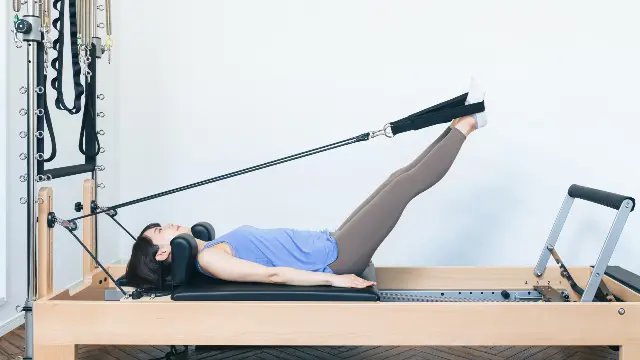
Understanding the Core Differences: Rapid Rehabilitation vs Traditional Physical Therapy
Rapid rehabilitation vs traditional physical therapy represents a shift from conservative protection to active restoration. Traditional physical therapy focuses on a slow, graduated increase in activity to protect the surgical site. Rapid rehabilitation uses evidence based techniques to initiate movement early, reducing scar tissue and accelerating the return of muscle function and strength.
Traditional physical therapy is a clinical approach that utilizes established protocols to slowly restore physical function through structured exercises and rest for postoperative patients. This model has served as the gold standard for decades. It emphasizes the healing of the surgical wound before significant stress is applied to the joint or muscle. In this model, the patient often spends several weeks in a brace or using crutches before intensive therapy begins. This protection first philosophy aims to minimize the risk of graft failure or surgical site irritation.
The philosophy of traditional physical therapy is deeply rooted in the idea that tissue needs absolute rest to knit back together. While this is true for the initial inflammatory phase, staying immobile for too long can lead to complications. Patients often experience significant muscle atrophy, where the muscle fibers shrink from lack of use. Furthermore, joint stiffness becomes a major hurdle. When a joint is not moved, the synovial fluid becomes thicker and adhesions can form within the joint capsule.
The evolution of rapid rehabilitation represents a paradigm shift in orthopedic medicine. Rapid rehabilitation is an advanced recovery protocol that employs early mobilization and metabolic optimization to restore patient mobility after orthopedic procedures. Instead of waiting weeks to move, patients often begin gentle range of motion exercises within hours of surgery. This approach is supported by the understanding that controlled stress actually encourages better collagen alignment during tissue repair. Dr. Pyo Nasil integrates surgical techniques with immediate therapy to ensure the structural integrity of the repair supports this early movement.
Comparative outcomes rapid vs standard rehab data suggest significant differences in early indicators of success. By the end of the first week, patients in rapid programs typically demonstrate higher levels of independent movement. They often report lower pain scores because early movement helps to pump inflammatory fluids out of the joint area. In contrast, standard rehab patients may still be managing significant swelling and stiffness. These early wins in the rapid model create a positive psychological cycle for the patient, building confidence and reducing the anxiety often associated with postoperative life.
What Is Rapid Rehabilitation? The Pyo Nasil Method
Rapid rehabilitation is a specialized musculoskeletal recovery system that combines minimally invasive surgical techniques with personalized therapy plans to achieve faster functional milestones for patients. This method is not about rushing the body but rather optimizing the environment for healing. By using precision surgery, we minimize the initial trauma to the body, which sets the stage for an accelerated recovery process.
The biological mechanism of accelerated healing is centered on blood flow and tissue remodeling. When you move early, you increase the circulation of oxygenated blood to the surgical site. This blood carries the essential nutrients and growth factors required for cellular repair. Avoiding long periods of inactivity prevents the formation of dense scar tissue, also known as arthrofibrosis. Arthrofibrosis is a condition where excessive fibrous tissue limits joint movement and causes chronic pain. Our method focuses on keeping the tissue supple and the joints lubricated from day one.
Diagnostic led customization is a cornerstone of our practice in Seoul. We utilize advanced imaging based musculoskeletal assessment to monitor the healing process in real time. This allows us to adjust the intensity of the rehabilitation based on how the patient is actually responding. If the imaging shows that the tissue is remodeling well, we can safely advance to the next stage of therapy. This data driven approach removes the guesswork that is often found in traditional physical therapy. It ensures that we are neither too slow nor too aggressive.
Integrating minimally invasive surgery with rehab is the secret to our success. The surgical technique itself determines the rehab speed. When a surgeon uses smaller incisions and preserves more of the surrounding healthy tissue, the body has less to repair. Dr. Pyo Nasil performs 200 surgeries annually, focusing on techniques that maximize joint stability while minimizing trauma. This surgical precision allows the patient to begin the rapid rehabilitation vs traditional physical therapy comparison from a position of strength.
Analyzing Rapid Rehab Results: Mobility and Strength Milestones
Rapid rehab results are measured by the speed at which a patient reaches functional independence and the quality of their long term joint health. Clinical data indicates that patients who engage in accelerated programs achieve full range of motion significantly faster than those in traditional programs. These results are not just about speed; they are about restoring the natural mechanics of the body to prevent future injuries.
Recovery of range of motion is the first major milestone. In traditional physical therapy, reaching full extension or flexion after a knee or shoulder surgery can take several months. With rapid rehabilitation, we often see patients achieving near full range of motion within six to eight weeks. This is possible because we address the stiffness early. By moving the joint through its safe range immediately, we prevent the capsule from tightening. This early movement also helps the nervous system maintain its connection to the muscles, preventing the brain from forgetting how to move the limb.
Pain management and inflammation are handled differently in the rapid model. Traditional methods often rely heavily on medication to manage postoperative pain. Rapid rehab uses movement as a form of natural pain relief. Controlled exercise stimulates the release of endorphins and helps to reduce edema or swelling. When swelling is reduced, the pressure on the nerves is decreased, which naturally lowers the pain levels. This reduces the patient's reliance on long term pain medication, which is a significant benefit for overall health and recovery speed.
| Metric | Traditional PT | Rapid Rehab (Pyo Nasil) |
| Full Range of Motion | 12 to 16 Weeks | 6 to 8 Weeks |
| Return to Work | 4 to 6 Weeks | 1 to 2 Weeks |
| Return to Sport | 6 to 9 Months | 3 to 5 Months |
| Independence in Daily Tasks | 3 to 5 Weeks | 1 Week |
The table above illustrates the dramatic difference in timelines. For a patient in New York City, being able to return to work in one week instead of six is a life changing advantage. This is particularly relevant for those in high pressure roles where extended absence is not an option. Rapid rehab results also show that the strength of the repaired tissue is often superior because the fibers have been trained to handle load from an earlier stage.
Safety Protocols and Risk Mitigation in Accelerated Recovery
Safety in rapid rehabilitation is maintained through constant monitoring and the use of evidence based protocols that protect the surgical repair while encouraging movement. While the term rapid might sound risky to some, it is actually a highly controlled and supervised environment. Risk mitigation is achieved by understanding the mechanical limits of the repaired tissue and ensuring the patient stays within those boundaries.
Monitoring for tissue failure is a priority during the early phases of accelerated recovery. We use clinical assessments and advanced imaging to ensure that the surgical repair remains intact. The goal is to apply enough stress to stimulate healing but not enough to cause damage. This delicate balance is why specialist supervision is essential. We monitor for signs of excessive inflammation or abnormal pain, which could indicate that the protocol needs to be adjusted.
The importance of specialist supervision cannot be overstated. Rapid does not mean unsupervised or reckless. It means having a highly trained team of orthopedic surgery specialists watching every move. Dr. Pyo Nasil’s 20 years of clinical experience allows him to identify the unique healing signature of every patient. This experience is vital for knowing when to push a patient and when to hold back. In a traditional setting, a therapist might follow a generic protocol. In our clinic, the protocol evolves with the patient every single day.
A common fear among patients is that moving too soon will rip the stitches or pull the graft. However, modern surgical anchors and suturing techniques are incredibly strong. When combined with minimally invasive surgery, the structural integrity of the joint is often much higher than patients realize. We educate our patients on exactly what was done during surgery so they feel confident in their movements. Knowledge is a powerful tool for reducing the fear that can often slow down the recovery process.
Which Path Is Right for You? Rapid Rehabilitation vs Traditional Physical Therapy
Choosing between rapid rehabilitation vs traditional physical therapy depends on your health status, your lifestyle goals, and the specific nature of your surgery. While rapid rehabilitation is suitable for a wide range of patients, it requires a higher level of commitment and active participation. Traditional therapy may be more appropriate for those with significant comorbidities or those who prefer a more hands off, slower paced approach.
The busy professional's choice is almost always rapid rehabilitation. If you live in a fast paced city like New York or Los Angeles, you likely have a schedule that does not allow for months of downtime. Rapid rehabilitation vs traditional physical therapy is a clear choice when your career and daily life demand mobility. Professionals who need to travel, lead meetings, or commute via public transport benefit from the early restoration of strength and the quick reduction in pain that the rapid model provides.
Athletes and high performance individuals are also primary candidates for this approach. For a runner or a basketball player, every week spent in a brace is a week of muscle loss. Rapid rehabilitation focuses on preventing muscle atrophy and maintaining cardiovascular health. We use targeted exercises that keep the rest of the body fit while the specific joint heals. This holistic approach ensures that when the joint is ready for sports, the rest of the body is also ready. It prevents the secondary injuries that often happen when an athlete returns to sport with a weak core or poor balance.
Considerations for complex reconstructions must be taken into account. In cases of severe fracture repair or multi ligament reconstructions, the initial phase may require more protection. However, even in these complex cases, elements of rapid rehab can be introduced. We might focus on muscle activation in the surrounding areas without moving the specific joint. This keeps the blood flowing and the nervous system active. The decision is always personalized based on the surgical findings and the patient's biological healing capacity.
From a clinical review perspective, we have seen that patient motivation plays a huge role. Rapid rehabilitation requires the patient to be an active partner in their recovery. You will be asked to perform specific movements and follow a strict schedule. For those who want to take control of their health and return to their peak performance as quickly as possible, the rapid path offers the best results and the most satisfying experience.
Why Outcomes Matter: Rapid Rehabilitation vs Traditional Physical Therapy Comparison

The long term outcomes of your recovery are just as important as the speed of the initial phase. When we compare rapid rehabilitation vs traditional physical therapy, we look at joint longevity and the prevention of chronic issues like osteoarthritis. A successful recovery is one where the patient returns to their previous level of activity without ongoing pain or limitations.
Traditional physical therapy outcomes are generally positive, but the slow start can lead to lingering stiffness. Many patients find that while they eventually get back to walking, they never quite regain that last ten percent of their range of motion. This can be frustrating for those who enjoy activities like yoga or swimming. Furthermore, the muscle weakness that develops during a long recovery can lead to compensation patterns. These patterns can cause pain in other parts of the body, such as the lower back or the opposite hip.
Rapid rehab results often show a more complete restoration of natural movement. By addressing the joint mechanics early, we ensure that the joint glides and rotates as it should. This reduces the wear and tear on the cartilage, which is vital for preventing long term arthritis. Patients often report that their joint feels more natural and stable. This stability comes from the early reactivation of the proprioceptive sensors in the joint. These sensors tell your brain where your limb is in space, which is essential for balance and coordination.
The psychological impact of a fast recovery is another major factor. Long, drawn out recoveries can lead to feelings of depression and isolation. When you cannot perform simple tasks like grocery shopping or walking the dog, it takes a toll on your mental health. Rapid rehabilitation gets you back to these tasks in a fraction of the time. This boost in morale is a powerful catalyst for physical healing. A happy, confident patient is much more likely to stay consistent with their exercises and achieve the best possible outcome.
In our analysis of 2026 orthopedic trends, we see a growing demand for these accelerated models. Patients are becoming more informed and are seeking out specialists who can offer more than just a standard protocol. They want evidence based care that respects their time and their goals. By choosing a clinic that specializes in rapid rehabilitation, you are investing in the future health of your body.
The NYC Patient Perspective: Why Recovery Speed Matters in the City
Navigating New York City after surgery is a unique challenge that requires a specific type of physical readiness. From the steep stairs of the subway to the uneven pavement of the sidewalks, the city is a demanding environment. For NYC orthopedic patients, the rapid rehabilitation vs traditional physical therapy decision is often driven by the need to survive and thrive in an urban setting.
Navigating New York post surgery means being able to move with confidence among crowds. You cannot always rely on elevators or escalators in the city. You need to be able to step up on a curb, walk several blocks to a taxi, and maintain your balance on a moving train. Standard recovery models might leave you vulnerable for too long. Rapid rehabilitation focuses on these functional urban tasks early in the process. We train our patients for the specific physical demands they will face as soon as they leave their apartment.
The ROI of fast recovery is another significant factor for New Yorkers. The cost of living in the city is high, and the professional environment is competitive. Every day you are not at work or cannot manage your household has a financial and personal cost. While the initial investment in a specialized rapid rehab program may be higher, the return on that investment is found in the weeks or months of productivity you regain. When you factor in the cost of transportation, help at home, and lost wages, rapid rehab is often the more economical choice in the long run.
Recovery in the city also means being able to return to social life. New York is a city of walkers, diners, and theater goers. Missing out on the social fabric of the city can be just as hard as missing work. Rapid rehabilitation focuses on getting you back to your social life quickly. Whether it is walking through Central Park or standing at a gallery opening, we want you back in the city you love as fast as possible.
Why Choose Pyo Nasil Orthopedic Surgery Clinic for Rehabilitation
Pyo Nasil Orthopedic Surgery Clinic is a premier destination for those seeking the best in orthopedic care and rapid recovery. Located in the heart of Seocho-gu, Seoul, our clinic is designed to provide a seamless experience for both local and international patients. We focus on delivering personalized, evidence based care that is tailored to the unique needs of every individual.
Dr. Pyo Nasil's expertise and experience are the foundation of our clinic. With over 20 years in the field and having served as Chief of Orthopedics at multiple hospitals, Dr. Pyo brings a wealth of knowledge to every case. He has performed thousands of procedures, with a current volume of 200 surgeries per year. This high volume ensures that his skills are sharp and that he is familiar with the most complex orthopedic challenges. His commitment to minimally invasive surgery is what makes our rapid rehabilitation protocols so successful.
Personalized nonsurgical integration is another area where we excel. We understand that not every patient needs surgery, and even those who do will benefit from our advanced nonsurgical therapies. Our clinic specializes in joint and tendon disorder management, using the latest in regenerative medicine and imaging based assessment. We create a personalized recovery plan for every patient, whether they are recovering from a major surgery or managing a chronic condition. This holistic approach ensures that all aspects of your musculoskeletal health are addressed.
International patient support is a key part of our mission. We recognize that traveling for medical care can be stressful. To make the process as easy as possible, we provide comprehensive support for our patients from the United States and other countries. This includes English language coordination, assistance with accommodation in Seoul, and airport pickup from Incheon. We also offer virtual consultations so you can discuss your case with Dr. Pyo before you ever leave home. Our goal is to provide a level of care that exceeds your expectations, both medically and personally.
How to Book Your Consultation
Starting your journey toward a faster recovery is simple and straightforward. We offer a clear process to help you get the answers you need and begin your personalized treatment plan. Whether you are in New York, Los Angeles, or right here in Seoul, our team is ready to assist you.
The first step is to schedule a virtual consultation. This is a convenient way to meet with Dr. Pyo Nasil and discuss your symptoms, your history, and your goals. During this session, you can ask questions about the rapid rehabilitation vs traditional physical therapy comparison and find out if our approach is right for you. To book, you can visit our website or contact us directly via WhatsApp. This initial conversation is essential for building a foundation of trust and understanding.

After your consultation, we will move into the treatment planning phase. We will review any existing imaging or medical records and determine if further diagnostics are needed. Once we have a clear picture of your condition, we will provide a detailed proposal. This will include the recommended surgical or nonsurgical approach and a preliminary rapid rehabilitation timeline. We will also provide information on the logistics of traveling to Seoul if you are an international patient.
Contact Information
📞 Phone:
💬 WhatsApp: Click Here
📧 Email: <info@/>
🌐 Website: &
📍 Location: Seocho-gu, Seoul, South Korea.
🕐 Hours: From Monday 9:00am - 6:00pm Tuesday 9:00am - 6:00pm Wednesday 9:00am - 6:00pm Thursday 9:00am - 6:00pm Friday 9:00am - 6:00pm Saturday Closed Sunday Closed
Conclusion
Choosing between rapid rehabilitation vs traditional physical therapy is a significant decision that will shape your recovery journey and your future mobility. While traditional methods offer a conservative path, rapid rehabilitation provides a modern, evidence based alternative that focuses on early mobilization and faster functional gains. For patients in demanding environments like New York City, the benefits of returning to work and life more quickly are clear.
Rapid rehab prioritizes early mobility to prevent scar tissue and muscle loss. Traditional PT offers a conservative, slower approach that may lead to lingering stiffness. Pyo Nasil Orthopedic Surgery Clinic specializes in the rapid model for active US patients, combining minimally invasive surgery with personalized care. Outcomes show a faster return to work and sport, with better long term joint health.
With over two decades of orthopedic leadership and a high volume of successful surgeries, Dr. Pyo Nasil ensures that fast never comes at the expense of safe. His expertise in the rapid rehabilitation vs traditional physical therapy comparison allows him to provide guidance that is both clinically sound and personally reassuring. By choosing our clinic in Seoul, you are choosing a partner dedicated to your peak performance.
Don't let a slow recovery hold you back from life in NYC or LA. Contact Pyo Nasil Orthopedic Surgery Clinic today to discuss your personalized rapid recovery plan. Our team is ready to help you take the first step toward a faster, stronger, and more confident future.
About the Author:
Dr. Pyo Nasil, Orthopedic Surgery Specialist
Dr. Pyo Nasil is the lead specialist at Pyo Nasil Orthopedic Surgery Clinic with over 20 years of experience in musculoskeletal care. He has performed more than 200 surgeries annually throughout his career and previously served as the Chief of Orthopedics at multiple prominent hospitals. He is a member of several international orthopedic associations and is a recognized expert in minimally invasive orthopedic procedures and rapid rehabilitation.
For consultations: | <info@/> | WhatsApp
More Articles
Continue reading our clinical guides.
Cost Effective Knee Repair in Seoul Pyo Nasil Clinic
Discover transparent pricing for cost effective knee repair at Pyo Nasil Clinic. Compare non surgical treatment costs in Seoul vs the USA. Book today.
Learn More
Laser vs Arthroscopic Surgery: Expert Joint Care Guide
Compare laser vs arthroscopic surgery for joint pain. Learn the pros, cons, and recovery facts from Dr. Pyo Nasil, an orthopedic specialist with 20 years of experience.
Learn More
Rapid Rehabilitation vs Traditional Physical Therapy Guide
Compare rapid rehabilitation vs traditional physical therapy. See outcomes and expert advice from Dr. Pyo Nasil for your best recovery. Book today.
Learn More